
CharlieAITools.com is your go-to AI directory to discover, compare, and choose top-rated AI tools for writing, design, automation, productivity, and more. AI list for freelancers, marketers, entrepreneurs, and creators who want to save time, boost output, and grow smarter with AI.
🔎 Explore our curated AI Tools Directory to work smarter and grow faster


Claude: Advanced AI assistant for reasoning, writing, and coding—long context, secure by design, fast answers, and powerful API integrations. 🚀


Elicit: Your AI research assistant—find papers, summarize evidence, extract data, and draft literature reviews with citations and highlights. 🚀


Simplified: All-in-one AI marketing suite—design, write, edit video, and schedule socials with brand kits and team collaboration. 🚀


AutoCrit: Polish your manuscript with genre-aware, real-time editing—style, pacing, repetition, dialogue, and readability insights, plus benchmarks and reports. 🚀


Novel Factory: Plan, plot, and write your novel faster—templates, character builders, world-building, and progress tracking in one intuitive app. 🚀


Winston AI: Detect AI-generated text with high accuracy, plus plagiarism and deepfake image checks—multilingual, API & Chrome extension. 🚀

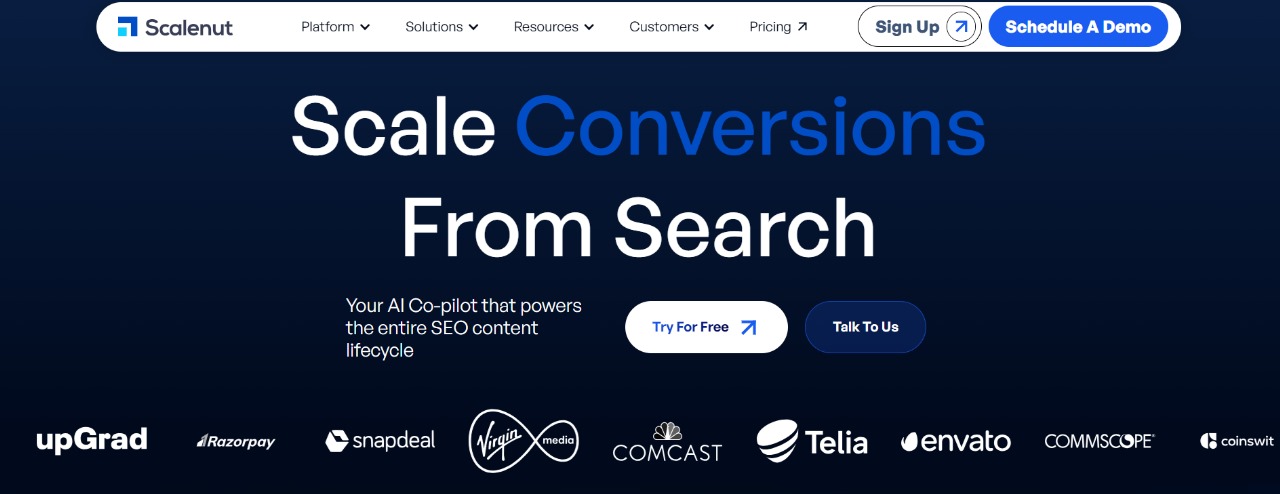
Scalenut: Boost your SEO game with Scalenut—AI-powered content creation, optimization, and analytics for effortless rankings and results! 🚀

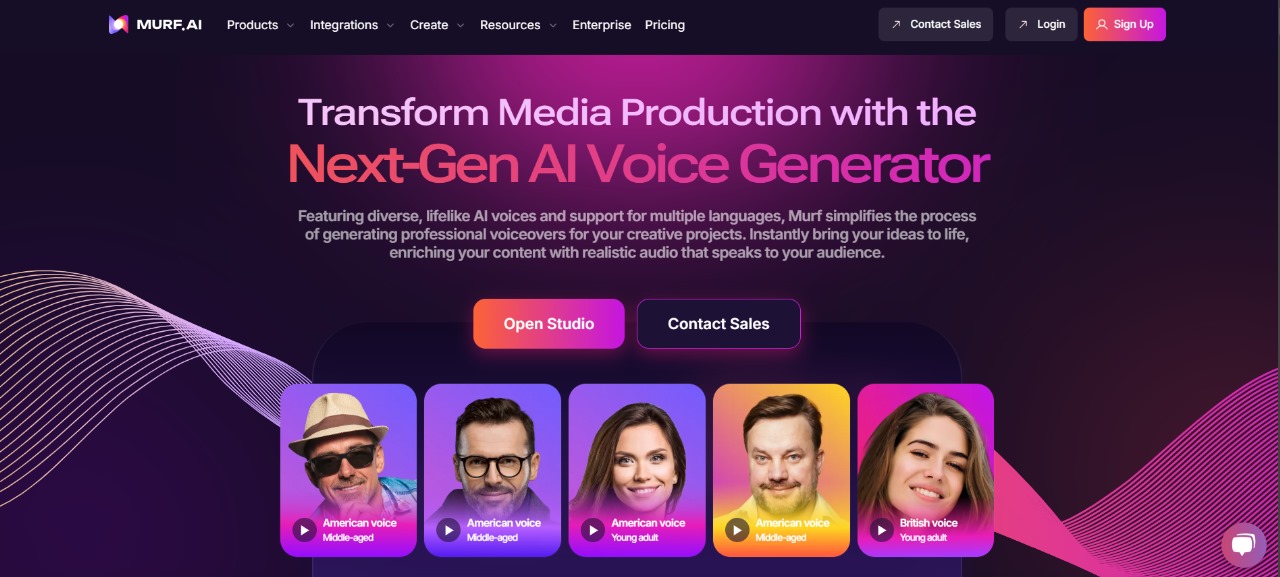
Murf AI: Create stunning, natural voiceovers in minutes with Murf.ai—your ultimate AI-powered text-to-speech solution! 🎙️✨

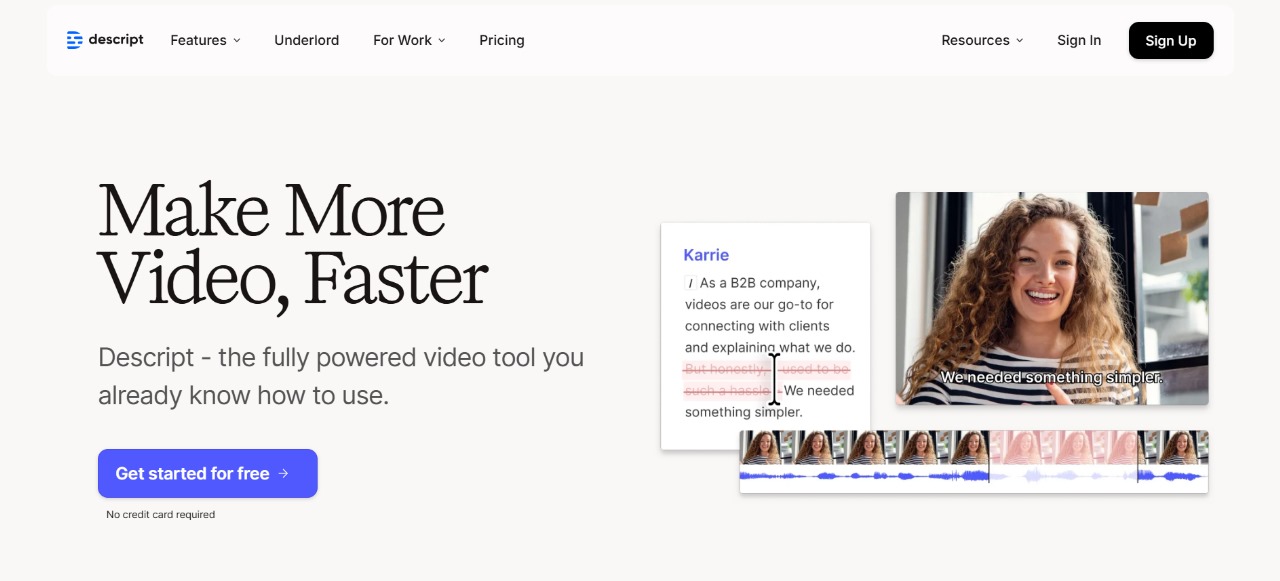
Descript is the ultimate AI-powered tool for effortless audio, video, and transcription editing—perfect for creators everywhere! 🎙️✨


Keap: Simplify, automate, and grow your business effortlessly with all-in-one CRM and marketing automation. 🚀✨
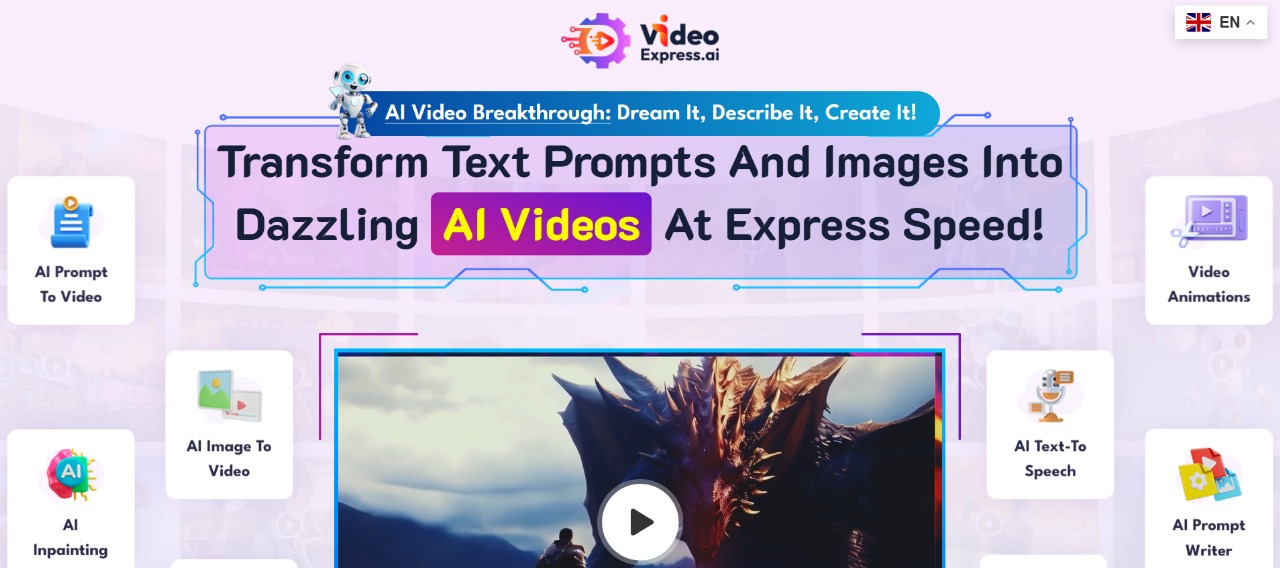
VideoExpress: Create stunning videos effortlessly with VideoExpress.ai—your all-in-one AI tool for fast, professional video production! 🎥✨

HyperWrite: Effortlessly craft professional, engaging content with HyperWrite—the AI writing assistant that saves you time and boosts creativity!

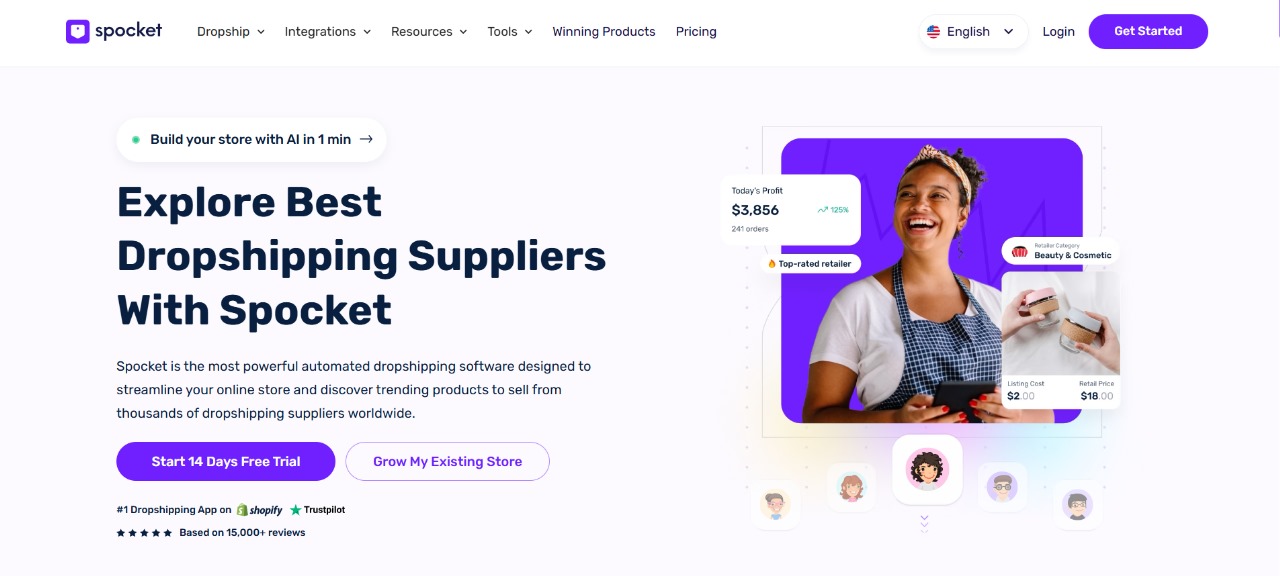
Spocket: The ultimate dropshipping tool connecting you to fast-shipping, premium US/EU suppliers for effortless e-commerce success!

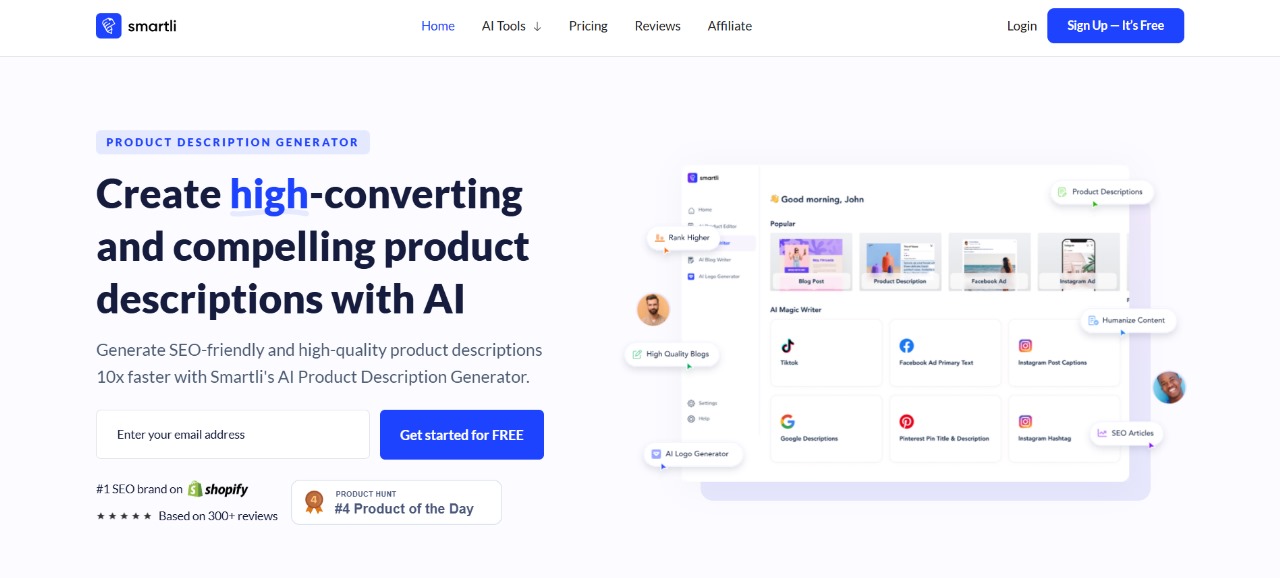
Smartli: Revolutionize e-commerce with SMARTLI: AI-driven tools for SEO, content creation, and marketing automation. Boost productivity effortlessly! 🚀

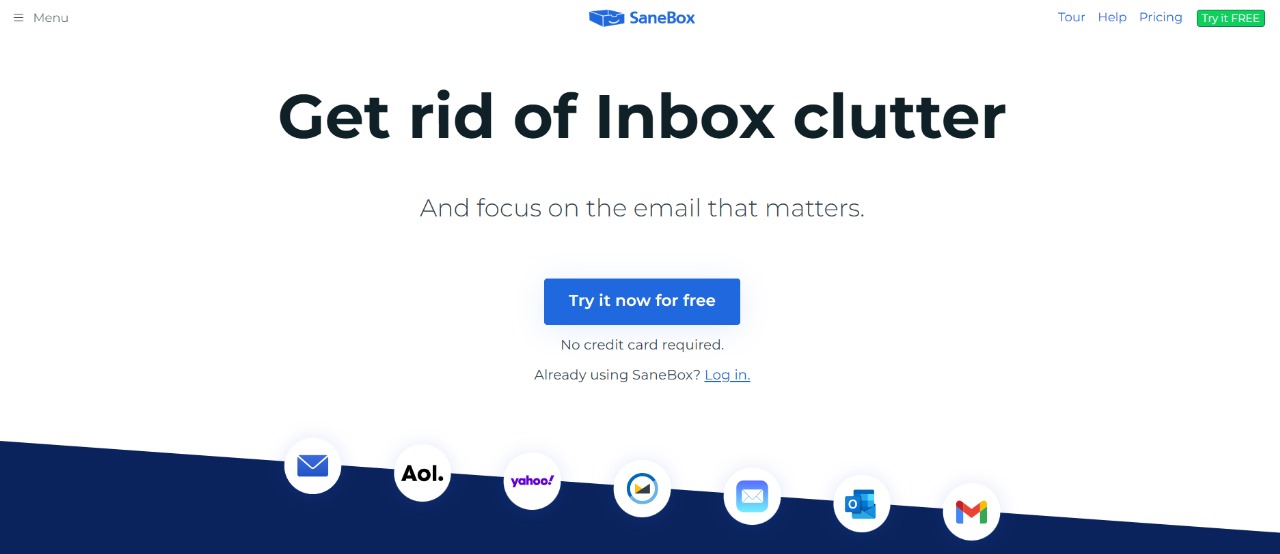
SaneBox: AI-powered email assistant that organizes your inbox, saves time, and boosts productivity effortlessly. 🚀📧
Explore AI Tools by Category: AI Writing, AI Image, AI Video, AI Chatbots Marketing, SEO & More
Find the right AI tool for your specific needs. Whether you’re writing, designing, automating, or scaling your business. Choose a category below and dive in!
Recently Added AI Tools

Claude: Advanced AI assistant for reasoning, writing, and coding—long context, secure by design, fast answers, and powerful API integrations. 🚀
Elicit: Your AI research assistant—find papers, summarize evidence, extract data, and draft literature reviews with citations and highlights. 🚀
Simplified: All-in-one AI marketing suite—design, write, edit video, and schedule socials with brand kits and team collaboration. 🚀
AutoCrit: Polish your manuscript with genre-aware, real-time editing—style, pacing, repetition, dialogue, and readability insights, plus benchmarks and reports. 🚀
Novel Factory: Plan, plot, and write your novel faster—templates, character builders, world-building, and progress tracking in one intuitive app. 🚀
Winston AI: Detect AI-generated text with high accuracy, plus plagiarism and deepfake image checks—multilingual, API & Chrome extension. 🚀
Trending on the AI Blog
Curated guides, tool reviews & AI tutorials you can’t miss.




What Are the Different Types of AI Tools?
AI tools come in many flavors — from smart assistants that write your emails to image generators that turn ideas into stunning visuals. As artificial intelligence evolves, so does the variety of tools available for creators, marketers, entrepreneurs, students, developers… basically, everyone!
What Are AI Tool Categories?
AI tool categories group tools based on their primary purpose, such as text generation, image creation, voice conversion, data analysis, or automation. Each category helps users find tools that fit specific needs, whether personal or professional.
For example, tools that write content are in a different category than those that analyze spreadsheets or generate logos. Categorizing tools improves navigation and helps users compare options easily.
Why Do AI Tool Categories Matter?
AI tool categories help users find the right tool faster by organizing platforms based on what they do. Instead of searching through hundreds of options, users can filter tools by purpose—like writing, design, data analysis, or automation.
This structure makes it easier to compare solutions, avoid overwhelm, and choose tools that fit specific needs. It benefits:
- Freelancers needing content, visuals, or productivity boosts
- Businesses automating tasks and improving operations
- Marketers optimizing campaigns with AI
- Students and educators using AI for learning
- Developers looking for coding and voice tools
In short, AI categories simplify decision-making in a complex tool landscape—saving time and improving results for professionals across industries.
Now that you understand what AI tool categories are and why they matter, it’s time to explore the most popular ones. From AI detectors and image generators to business automation and content creation, these categories represent the top areas where artificial intelligence is making the biggest impact.
Whether you’re a creator, entrepreneur, marketer, or just curious about what AI can do, there’s a category tailored to your goals.
🕵️ AI Detector
🎨 AI Image Generator
🖌️ AI Art Generator
AI Detectors help identify content generated by artificial intelligence. They’re used by educators, publishers, and businesses to ensure originality and transparency in digital communication. Tools like GPTZero or Writer.com’s AI Detector can distinguish between human-written and AI-generated text. Perfect for maintaining credibility in education, journalism, and marketing.
🔍 Want to separate human from machine? → See the top AI detector tools
AI Image Generators turn text prompts into stunning visuals. Whether you’re creating art, ads, or concept designs, tools like Midjourney, DALL·E, and Leonardo.ai can bring your vision to life. These tools are widely used in advertising, content creation, and product design — no artistic skills required.
🎨 Bring your ideas to life in pixels! → Discover top AI image generators
AI Art Generators are designed for creativity. Beyond simple image generation, they allow artistic styles, mood settings, and color control. Artists and designers use platforms like Artbreeder or NightCafe to create unique, gallery-worthy artworks with the power of machine learning.
🖼️ Unleash your inner artist with AI! → Browse the most creative AI art tools
💬 AI Chatbots
🔁 ChatGPT Alternative
🗣️ Text to Speech & AI Voice
AI Chatbots simulate human conversation to answer questions, solve problems, or even entertain. They’re used in customer support, lead generation, websites, and apps. Tools like ChatGPT, Tidio, and Botpress let you build smart, automated agents — without needing to code.
💬 Want a bot that talks like a pro? → Meet the best AI chatbots
Looking for something like ChatGPT but with a twist? ChatGPT alternatives offer specific advantages like better accuracy, different training data, or improved privacy. Claude, Gemini, and Perplexity are gaining popularity for their unique capabilities in business and research workflows.
🧠 Ready to meet ChatGPT’s cousins? → Compare the top ChatGPT alternatives
Text-to-Speech (TTS) and AI Voice tools convert written words into realistic voiceovers. Tools like ElevenLabs and Murf.ai support multiple accents, emotions, and even voice cloning. Perfect for podcasts, audiobooks, videos, and accessibility features.
🎙️ Let your content speak — literally. → Explore the best AI voice generators
🎯 AI Logo Generator
🎞️ AI Video Generator
🏢 AI Business
AI Logo Generators create brand identities in seconds. Just type your company name and vibe, and platforms like Looka, Brandmark, or Logomaster.ai deliver high-quality logos tailored to your industry — ideal for startups, freelancers, and creators.
🔥 Give your brand a face — instantly. → Try the top AI logo generators
AI Video Generators make video creation as easy as typing a script. Tools like Pictory, Synthesia, and Lumen5 generate explainer videos, social clips, and faceless content at scale — no camera, editing, or actors needed.
🎞️ Create videos while sipping coffee. → Check out top AI video generators
AI tools help businesses automate tasks, boost productivity, and reduce costs. Whether it’s AI analytics, chatbots, HR solutions, or marketing automation, platforms like Beautiful.ai, Zapier AI, or Reclaim.ai are making companies smarter.
From solopreneurs to enterprise teams — there’s an AI for that.
🏢 Want your business to scale smarter? → Explore AI tools for companies
What Are the Benefits of Using AI Tools?
Here are the key reasons why AI tools are becoming essential in modern workflows:
Save Time on Repetitive Tasks
AI tools automate time-consuming tasks such as writing, designing, analyzing data, and generating reports. What once took hours can now be done in seconds or minutes.
Example: An AI writer can draft a full blog post in under three minutes, saving content creators valuable time without sacrificing quality.
Work Smarter with Better Results
AI tools use technologies like natural language processing and deep learning to deliver more accurate, relevant, and data-driven outputs.
Chatbots offer 24/7 support and handle frequent inquiries.
AI design tools suggest layouts based on current trends.
SEO platforms recommend keywords based on search intent and competition.
Boost Productivity and Business Performance
By reducing manual work, AI tools allow professionals to focus on strategy, growth, and creativity. Freelancers and teams alike use AI to scale their services, take on more clients, and increase output — all without burnout.
More output, less stress = more profit.
Fuel Creativity with AI-Driven Inspiration
AI tools can provide creative prompts, visual ideas, story starters, and design elements that unblock your imagination. While they don’t replace creativity, they do spark inspiration — especially useful under pressure or tight deadlines.
Make Advanced Technology Accessible
Most modern AI platforms are no-code or low-code, meaning you don’t need to be a developer or designer to use them. Their intuitive interfaces make them accessible to beginners, students, and CEOs alike.
From solo creators to enterprise teams — everyone can benefit from AI-driven automation and innovation.
Ensure Consistency and Scalability
AI tools deliver consistent tone, formatting, and output — ideal for scaling up content creation. You can produce hundreds of product descriptions, emails, or social media posts with the same structure and brand voice.
This is especially valuable for agencies, content-heavy websites, and e-commerce brands.
Bonus: They Keep Improving Over Time
Most AI tools evolve through frequent updates and user feedback. This means performance, accuracy, and features often get better the more you use them.
👉 Want to know which AI tools offer these benefits?
Explore AI by category to find the best tools tailored to your goals, industry, and workflow.
Why Are AI Tools So Popular Right Now?
AI tools are popular because they improve productivity and creativity with minimal effort. Key reasons include:- They reduce time spent on repetitive tasks.
- Anyone can use them, no coding required.
- They give individuals access to powerful capabilities once limited to large companies.
- Innovation is constant, with new tools launched regularly.
Where Are AI Tools Being Used?
AI tools are used in a wide range of fields. For example:- Marketing – content creation, ad copy, analytics
- Design – image and logo generation
- Education – text summarization, quiz creation
- Business – workflow automation, data analysis
- Personal use – journaling, productivity, habit tracking
👉 Want to explore AI by function or industry? → Browse all AI tool categories here
What Is a Simple Definition of Artificial Intelligence?
How Does Artificial Intelligence Work?
Artificial intelligence works by analyzing large amounts of data through algorithms that detect patterns and make predictions. Most AI systems use a method called machine learning, where models are trained with real-world data to improve their performance over time. For instance, AI writing tools learn language patterns to generate content, while image generators analyze thousands of images to create new visuals. As these systems process more data, they become more accurate and efficient.What Are the Main Types of AI?
There are three key types of AI systems. Narrow AI, also known as Weak AI, is designed to handle specific tasks like writing text or recognizing images—this is the most common form today. General AI, or Strong AI, refers to machines that could perform any task a human can do, though this is still theoretical. Machine learning and deep learning are subfields that allow AI models to learn and improve from data without explicit programming.Where Do We See AI in Everyday Life?
Artificial intelligence is present in many daily tools and apps. It powers voice assistants like Siri and Alexa, filters email spam, recommends videos on platforms like YouTube and Netflix, and helps with navigation using apps like Waze. In businesses, AI automates customer service, analyzes data, improves marketing funnels, and personalizes user experiences — often working behind the scenes to simplify tasks.
How Can I Prepare for an AI-Driven Job Market?
To thrive in an AI-powered world, focus on developing skills that complement automation. Learn how to use AI tools relevant to your field, strengthen your critical thinking and communication skills, and stay adaptable to emerging technologies. Roles that blend human creativity with AI — like prompt engineering, AI-assisted design, or data-informed strategy — are on the rise. Embrace continuous learning and position yourself as someone who can leverage AI, not compete with it.
So, How Does This All Connect to AI Tools?
Artificial intelligence is transforming how we work, create, and grow — and AI tools are the bridge between big ideas and real-world impact. Whether you’re worried about automation or excited to explore new career paths, AI tools give you the power to adapt, innovate, and thrive in this new landscape.
No matter your background or profession, there’s an AI tool that can help you work smarter, save time, and unlock new possibilities.
You’re in the right place 🎯
👉 Head over to our AI Tools Directory to discover top-rated tools by category — from content creation and automation to design, business, and beyond. Explore, compare, and find the perfect tools to stay ahead in the age of AI.
Generative AI vs Artificial General Intelligence: What's the Difference?
Artificial intelligence (AI) is evolving fast, and with that evolution come different types of AI — some already in use, and others still on the horizon. Among the most discussed today are Generative AI and Artificial General Intelligence (AGI). While they might sound similar, they are fundamentally different in what they are, what they do, and where they’re headed.
If you’re exploring the AI landscape — whether as a creator, entrepreneur, student, or business owner — understanding these two branches will help you make smarter decisions and stay ahead of the curve.
What Is Generative AI?
Generative AI refers to artificial intelligence systems designed to create new content—such as text, images, code, audio, or video—based on patterns learned from large datasets. These tools generate human-like outputs from simple prompts using models like GPT or Stable Diffusion. Generative AI is widely used for writing, design, music, and programming, helping users save time and automate creative tasks.
Popular Use Cases of Generative AI:
Writing: Articles, blog posts, ad copy (e.g., ChatGPT, Jasper, Copy.ai)
Design: AI-generated art and logos (e.g., Midjourney, Canva AI, Looka)
Voice & Audio: AI voiceovers and music (e.g., ElevenLabs, Suno)
Video: AI-powered video generation (e.g., Pika Labs, Runway)
Code: Autocompleting and generating code snippets (e.g., GitHub Copilot)
These tools are transforming industries by automating creative processes and increasing productivity. They rely on machine learning models like GPT, Stable Diffusion, or Transformer-based architectures to predict and generate content based on prompts or inputs.
What Is Artificial General Intelligence?
Artificial General Intelligence (AGI) is a theoretical form of AI with human-like reasoning and learning abilities. Unlike narrow AI, which performs specific tasks, AGI would be capable of understanding, adapting, and solving problems across many domains. It could learn from minimal data, transfer knowledge between fields, and even grasp abstract concepts. AGI does not yet exist, and its development poses major ethical and safety challenges.
Key Traits of AGI:
Can reason and make decisions across various domains
Understands abstract concepts and emotions
Learns from limited examples or minimal data
Can generalize knowledge from one field to another
At this point, AGI remains theoretical. No existing system has achieved this level of intelligence, and most experts agree that we are still years — if not decades — away from building true AGI. Its development also raises complex ethical, philosophical, and safety concerns.
What’s the Difference Between Generative AI and AGI?
Generative AI is designed to create specific types of content—like text, images, audio, or code—based on learned patterns from large datasets. It excels at handling individual tasks within a narrow domain and is widely used today in marketing, design, customer service, and education.
In contrast, Artificial General Intelligence aims to mimic the full range of human intelligence. AGI would be able to understand complex concepts, reason across disciplines, learn from minimal data, and adapt to new tasks without needing retraining. Unlike Generative AI, AGI does not yet exist and remains a long-term goal in the field of AI research.
The key distinction is that Generative AI solves narrow tasks efficiently, while AGI would theoretically solve anything a human can—if ever built.
Why This Distinction Matters for You?
Understanding the difference between Generative AI and AGI helps you use current AI tools more effectively and stay informed about future developments.
For example, when you use tools like ChatGPT or Midjourney, you’re using generative AI — purpose-built tools designed to boost creativity, productivity, and automation. These tools won’t think like you, but they can help you work smarter, faster, and more creatively.
AGI, on the other hand, remains a long-term goal. But the buzz around it drives investment, research, and ethical debates that may influence the tools we use in the future.
Ready to Explore Generative AI Tools?
Most of today’s breakthroughs are happening within generative AI, not AGI. That means you can already start experimenting, building, and growing with this technology — right now.
AI Concerns & AI Fear
As AI continues to evolve, so do our questions—and sometimes, our fears. Will AI replace us? Can it be trusted? Could it become smarter than humans? In this section, we tackle the most common concerns about artificial intelligence with simple, honest answers. Whether you’re curious, cautious, or a little skeptical, here’s where you’ll get clarity without the hype or fear-mongering. Let’s break down what’s real, what’s misunderstood, and what it all means for the future.
What jobs are most at risk due to AI?
Jobs involving repetitive, rule-based, or predictable tasks are most at risk of being automated by AI. This includes data entry, basic customer service, manufacturing roles, and some administrative tasks. AI systems excel at handling structured processes, especially when large volumes of data are involved. However, roles that require creativity, emotional intelligence, problem-solving, or complex decision-making—such as teachers, designers, therapists, or managers—are less likely to be fully replaced and may even benefit from AI as a supporting tool.
Can AI tools replace human creativity?
AI tools can assist in the creative process, but they cannot replace human creativity. While they can generate text, images, or ideas based on patterns, they lack original thought, emotional depth, and cultural context. Creativity involves intuition, human experience, and the ability to make connections beyond data. AI can support and accelerate creative work, but the final vision, style, and meaning still depend on the human creator.
Is AI dangerous for society?
AI poses both opportunities and risks for society. When used responsibly, it can improve healthcare, education, efficiency, and innovation. However, concerns include job displacement, data privacy, misinformation, and the ethical use of powerful algorithms. The danger lies not in AI itself, but in how it is developed, controlled, and applied. Ongoing regulation, transparency, and responsible design are key to minimizing risks and ensuring AI serves the public good.
Will AI become smarter than humans?
Currently, AI is limited to narrow tasks and cannot match the full range of human intelligence. While it can outperform humans in specific areas like data analysis or pattern recognition, it lacks consciousness, self-awareness, and general reasoning. The idea of AI becoming “smarter” than humans is mostly theoretical and tied to the development of Artificial General Intelligence (AGI), which does not yet exist. For now, AI is a powerful tool, but not a replacement for human intelligence.
Is AI going to replace humans?
AI is not designed to replace humans entirely but to automate specific tasks and support decision-making. It may replace certain repetitive or routine jobs, especially in manufacturing, data entry, and customer support. However, most human roles—particularly those requiring empathy, creativity, and judgment—are complemented, not replaced, by AI. The future of work will likely involve collaboration between humans and AI rather than full substitution.
Can AI be trusted?
AI can be trusted when it’s developed and used with transparency, ethical guidelines, and proper oversight. However, trust in AI depends on factors like data quality, algorithm bias, and how the tool is deployed. Unregulated or poorly designed AI systems can lead to errors or unfair outcomes. That’s why responsible development, explainability, and human supervision are essential for ensuring trustworthy AI systems.
AI FAQs
Everything You Need to Know Before You Dive In
What Is AI?
What Is AI?
AI, or artificial intelligence, is the field of computer science focused on creating systems that can perform tasks that normally require human intelligence—such as understanding language, recognizing images, making decisions, and learning from data. AI works by using algorithms and models, often powered by machine learning or deep learning, to process information and generate intelligent responses or actions. It’s used in everyday tools like virtual assistants, recommendation engines, chatbots, self-driving cars, and medical diagnostics. The goal of AI is to enable machines to solve problems, adapt to new inputs, and improve performance over time.
Why Is AI Important?
Why Is AI Important?
AI is important because it enables machines to analyze data, automate tasks, and make decisions at speeds and scales impossible for humans. This technology drives innovation across industries—improving healthcare diagnoses, optimizing supply chains, enhancing customer experiences, and enabling personalized marketing. By handling repetitive or complex processes, AI frees people to focus on creative, strategic, and high-value work. It also helps businesses stay competitive, adapt to market changes, and unlock new opportunities. In essence, AI is a catalyst for efficiency, accuracy, and growth in the digital age.
What Is the Future of AI?
What Is the Future of AI?
The future of AI points toward more advanced, integrated, and human-like systems that can understand context, reason, and adapt in real time. AI is expected to expand into every industry, powering innovations such as personalized healthcare, autonomous transportation, climate change solutions, and smarter business automation. Advances in generative AI, multimodal models, and ethical AI frameworks will shape how technology interacts with society. As AI becomes more accessible, it will move from being a specialized tool to a core part of everyday life—driving efficiency, creativity, and problem-solving on a global scale.
Will AI Take Our Jobs?
Will AI Take Our Jobs?
AI will automate certain tasks and roles—especially repetitive, routine, or data-heavy jobs—but it’s also expected to create new opportunities in areas like AI development, data analysis, digital marketing, and creative industries. Rather than replacing all jobs, AI is likely to change the nature of work, shifting human focus toward problem-solving, innovation, and tasks requiring emotional intelligence. Industries that adopt AI may see increased productivity, allowing employees to take on higher-value responsibilities. The key to staying relevant is reskilling—learning to work alongside AI and using it as a tool to enhance, not replace, human capabilities.
Can I really make money using AI?
Can I really make money using AI?
Yes—AI offers multiple ways to generate income, from freelancing with AI-powered tools to building and selling AI-driven products or services. People use AI to create content, design graphics, edit videos, develop chatbots, automate business workflows, and even trade in financial markets. Platforms like ChatGPT, Midjourney, and Synthesia help individuals deliver high-quality work faster, attracting more clients or scaling their businesses. Monetization can also come from affiliate marketing, online courses, or software development. The key is choosing a niche, mastering the right tools, and offering solutions that save time, reduce costs, or boost results for others.
What makes CharlieAITools.com different from other AI directories?
What makes CharlieAITools.com different from other AI directories?
We don’t just list tools — we test, compare, and explain them in simple terms. Our recommendations are hand-picked based on value, usability, and transparency. Plus, everything is guided by CharlieAI 🤖 to help you find the perfect tool faster and smarter.
We also go a step further by recommending AI tools based on your profession or activity. Whether you’re a marketer, educator, designer, entrepreneur, or student, you can filter tools that are specifically tailored to your goals — making it easier than ever to find exactly what you need.
But that’s not all. Our weekly newsletter delivers the latest AI tools, tricks, prompts, and gadgets straight to your inbox — carefully curated to save you time and keep you ahead of the curve. It’s like having an AI scout working just for you. 💜
👉 Don’t miss out — subscribe today and stay in the loop with what’s hot, what’s new, and what actually works. 👇