What is Anyword
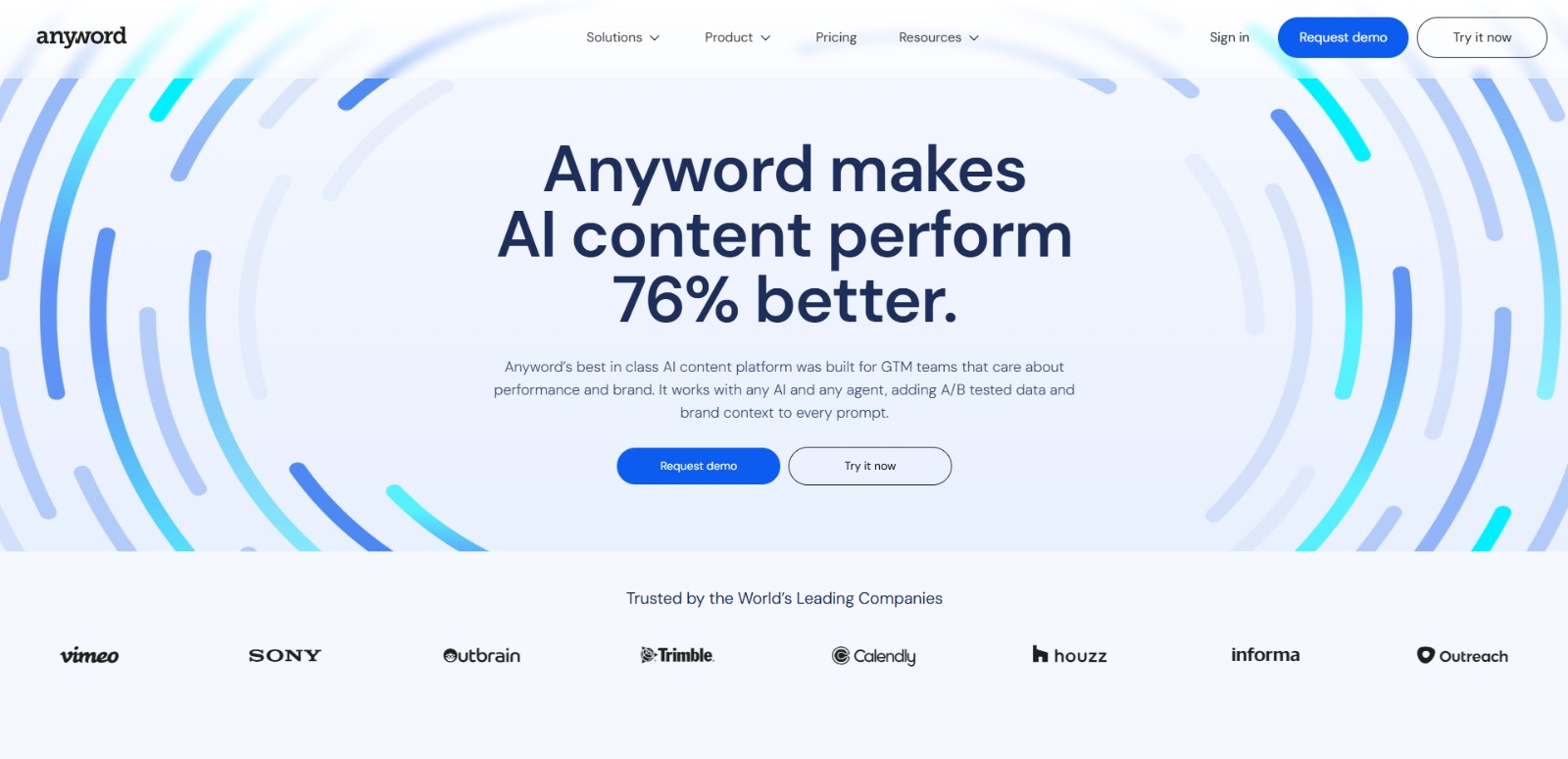
Discover Anyword, an AI content platform that helps marketers create high-performing, on-brand copy at scale using predictive analytics for better business outcomes.

Welcome to the CharlieAITools Blog β your go-to space for AI tutorials, reviews, use cases, and expert tips. Whether you’re a freelancer, marketer, entrepreneur, or just AI-curious, you’ll find actionable insights to help you stay ahead of trends, leverage top AI tools, and build smarter strategies.

Discover Anyword, an AI content platform that helps marketers create high-performing, on-brand copy at scale using predictive analytics for better business outcomes.


Discover Writer, an enterprise AI platform designed for brand consistency, compliant content creation, and AI workflows. Learn how it empowers large organizations.

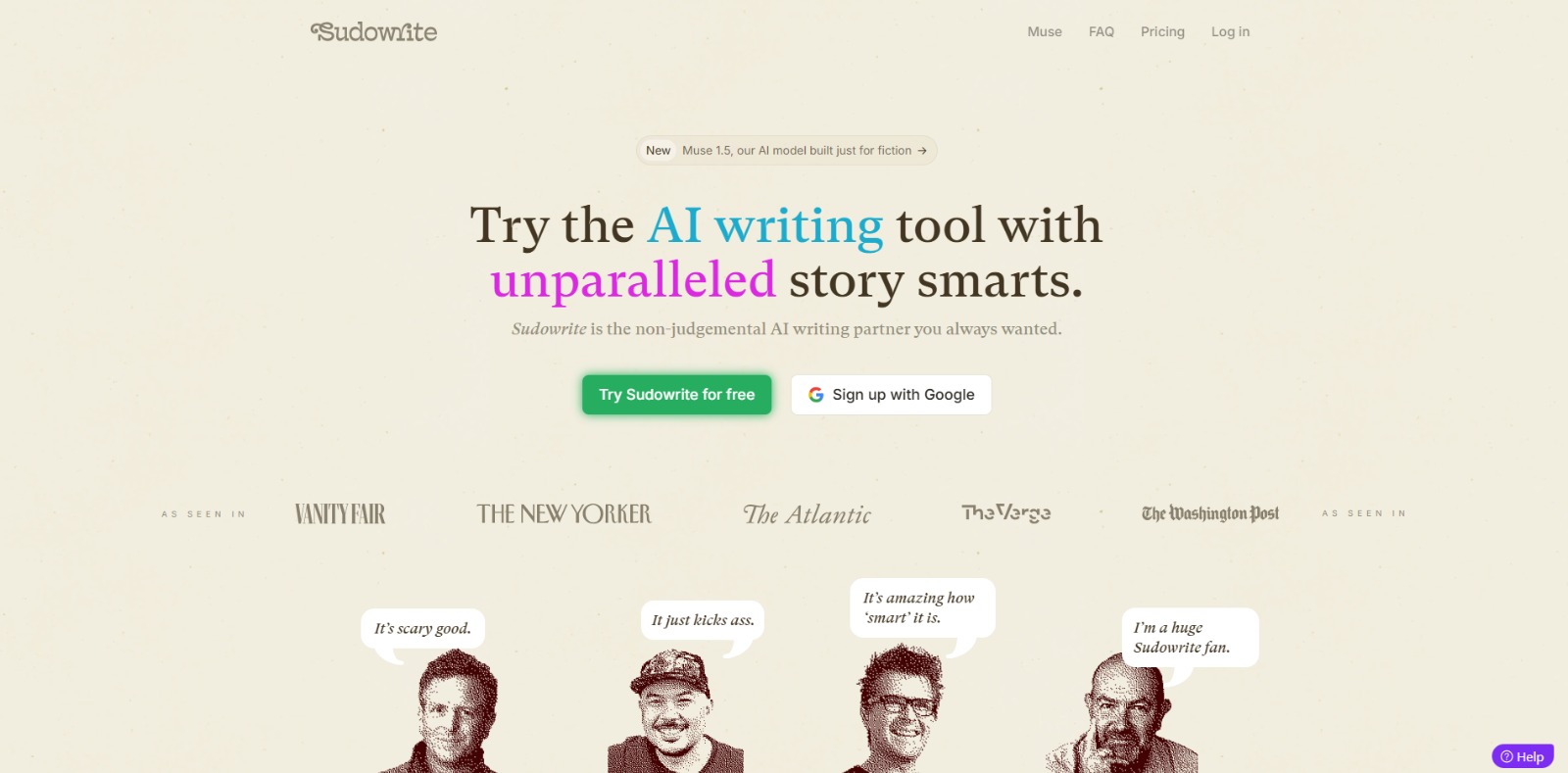
Discover Sudowrite, your AI writing partner for novels. Overcome writer’s block, craft vivid descriptions, and accelerate your fiction writing.
Discover what Wordtune is and how this AI writing assistant helps you rewrite sentences, improve clarity, and overcome writer’s block for more confident communication.

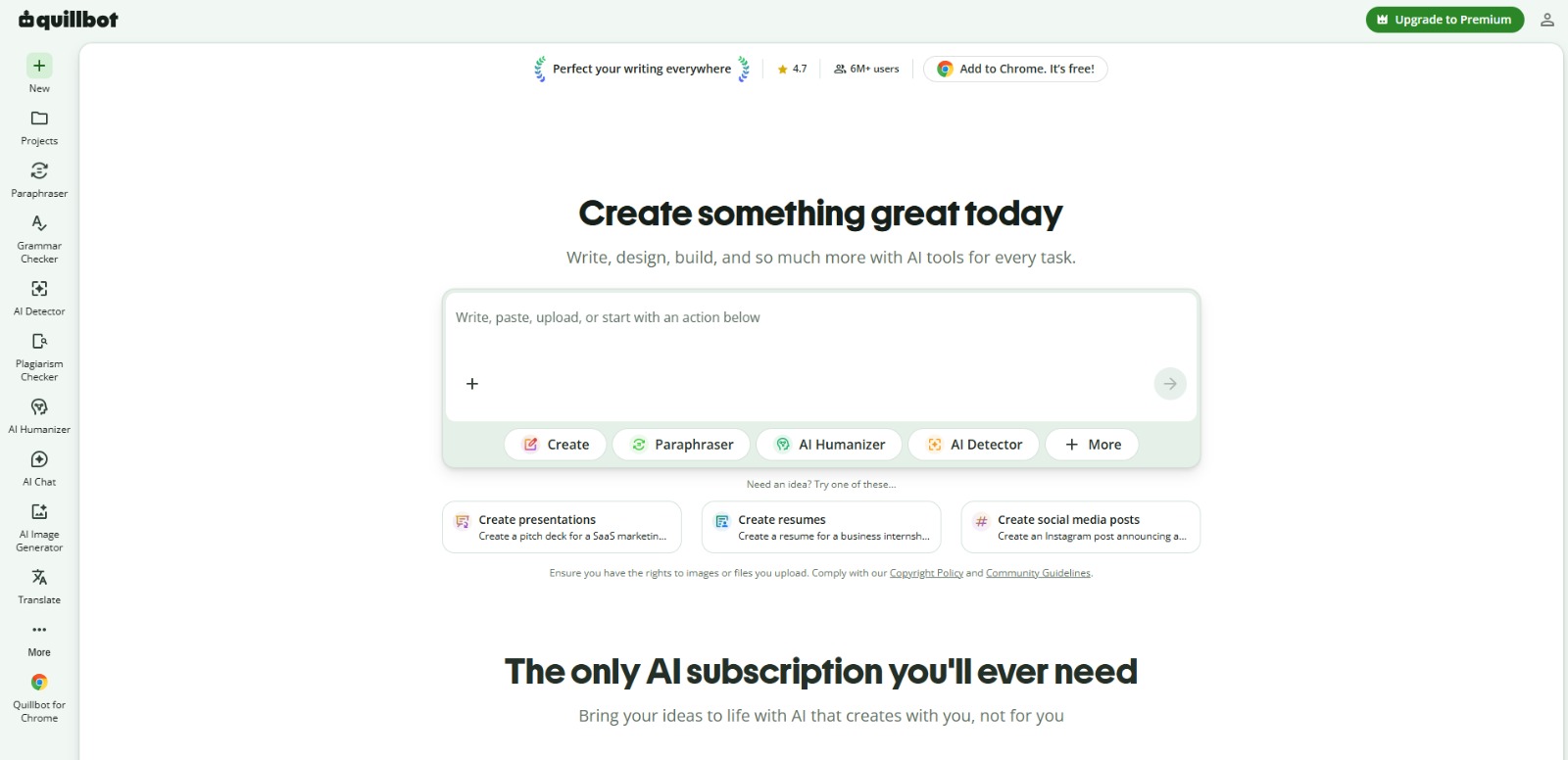
Discover Quillbot, the AI writing assistant that helps students, writers, and professionals overcome writer’s block, improve grammar, and create original content efficiently.

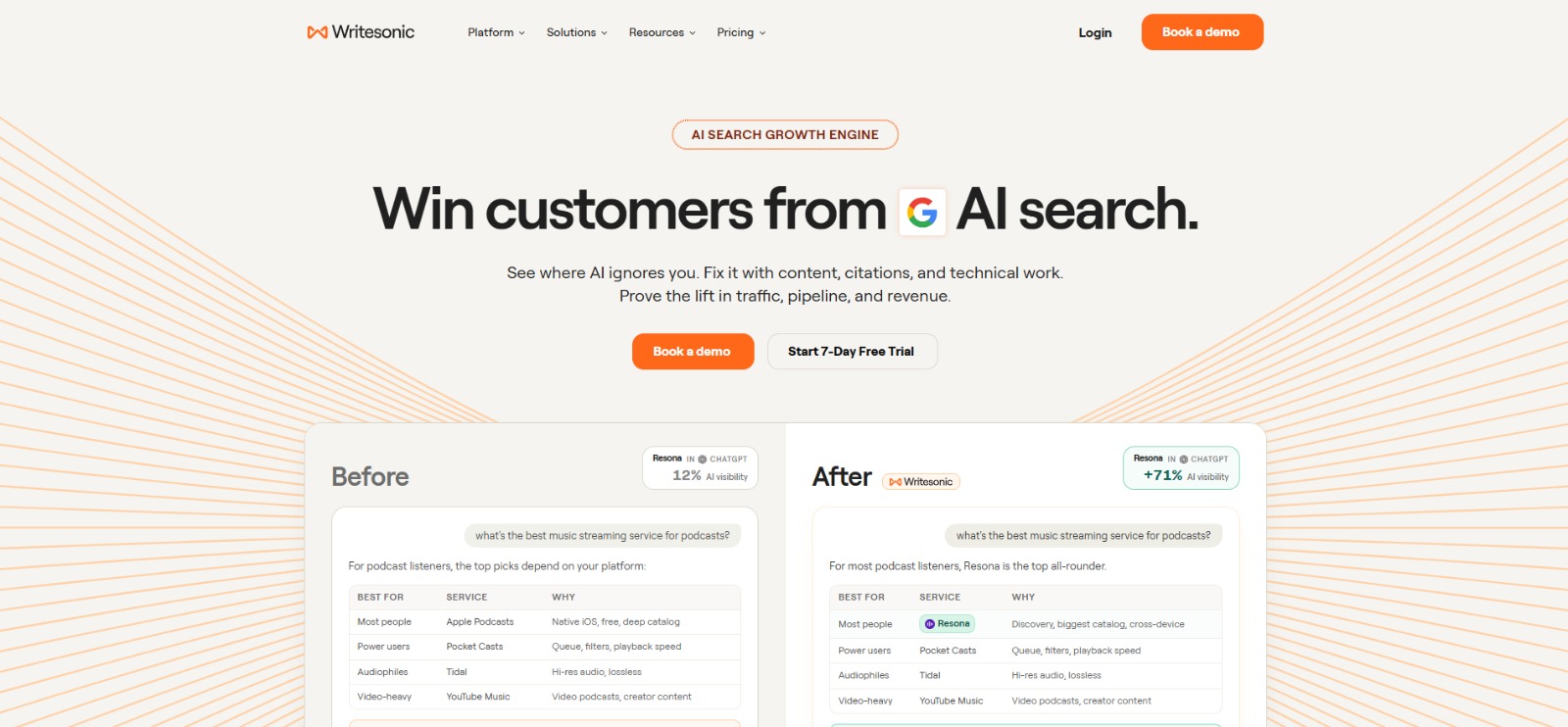
Discover what Writesonic is and how it enhances AI search growth, offering AI content optimization and AI citation tracking for better AI search visibility.

Discover what ChatGPT is and how this AI chatbot acts as your everyday assistant, transforming writing, research, and communication for enhanced productivity.

Discover Popul8, an AI platform revolutionizing 3D character generation and asset fitting for game development and virtual production. Streamline your pipeline.

Discover Avaturn, an AI tool that transforms selfies into realistic 3D avatars. Learn how it simplifies creation and integration for games and apps.

Discover Everything Universe, an AI tool simplifying 3D model generation and animation. Learn how it revolutionizes game development and metaverse asset creation.
Find the right AI tool for your specific needs. Whether you’re writing, designing, automating, or scaling your business. Choose a category below and dive in!
Anyword Review: Unlocking Data-Driven Content Performance with This AI Content Platform In this Anyword review, weβll dive into its unique approach to AI content generation, explore its key features, benefits, and…
Writer Review: The enterprise AI platform for compliant, on-brand content? In this Writer review, weβll explore how this enterprise AI platform empowers large organizations to achieve brand consistency, regulatory…
Sudowrite Review: Your Creative AI Writing Partner for Fiction? In this Sudowrite review, we’ll explore how this unique AI writing partner can help fiction authors overcome creative blocks, enhance their storytelling,…
Wordtune Review: Is This AI Writing Assistant Your Next Productivity Partner? In this Wordtune review, weβll dive into its core capabilities, ideal users, benefits, and how it stacks up against common writing…
Quillbot Review: A Practical AI writing tool for Productivity and Growth In this Quillbot review, weβll look at its key features, best use cases, pricing, pros and cons, and whether it is a good fit for your workflow….
Writesonic Review: Is This Your Key to AI Search Growth? In this Writesonic review, weβll explore how this AI solution helps businesses achieve AI search growth, its core features, benefits, and who stands to gain the…

Welcome to your go-to hub for everything AI. This blog is where artificial intelligence meets real-life application β packed with smart content designed to guide, inspire, and empower you to get the most out of todayβs top AI tools.
Here youβll find a curated mix of actionable AI tutorials, honest AI tool reviews, and bite-sized AI tips that make automation and innovation feel effortless. Whether youβre a freelancer looking to scale your productivity, a marketer trying to boost your content game, or just AI-curious, youβre in the right place.
We focus on practical use cases, not just theory. From writing assistants that help you blog 10x faster, to AI tools for design, video editing, customer service, SEO, and business automation β we break it all down in simple, human language. No tech jargon. No fluff. Just clear, helpful content.
Charlieβs promise? To help you discover whatβs possible, learn what works, and take smarter steps in your AI journey β one guide, post, or review at a time.
So go ahead β explore, experiment, and elevate your workflow with the power of AI.
An AI blog is a website or section that publishes content about artificial intelligence, including news, tools, trends, tutorials, and use cases. These blogs help readers understand how AI is transforming industries, improving productivity, and enabling innovation. AI blogs often include AI tool reviews, case studies, how-to guides, and expert opinions to keep users informed about the latest developments in the field. Whether you’re a beginner or an expert, AI blogs are a great resource to learn, explore, and stay updated.

Whether you’re diving into AI for the first time or already exploring advanced tools, this FAQ section has the answers you need. From understanding what an AI blog is, to knowing the difference between an AI guide and a tutorial, weβve got you covered. Weβve crafted these FAQs to be clear, helpful, and beginner-friendly β no jargon, just smart answers to common questions from creators, entrepreneurs, freelancers, and anyone curious about artificial intelligence.
AI tutorials are step-by-step guides, lessons, or video instructions that teach users how to understand, use, and apply artificial intelligence tools, platforms, or concepts. They can cover a wide range of topicsβfrom basic introductions to AI and machine learning, to practical walkthroughs for tools like ChatGPT, Midjourney, or Runway. AI tutorials help beginners learn the fundamentals and allow advanced users to master specific workflows, such as automating tasks, generating content, or building AI models. They can be delivered through blogs, online courses, or YouTube videos, making AI learning accessible to anyone, regardless of technical background.
AI tutorials are for anyone who wants to learn how to use artificial intelligence tools, regardless of their technical background. Theyβre valuable for beginners exploring AI for the first time, professionals seeking to improve productivity, entrepreneurs building AI-powered businesses, and students studying machine learning or data science. Creatives, marketers, and developers also benefit from AI tutorials that show how to generate content, design visuals, automate workflows, or build custom AI applications. Whether youβre a hobbyist or a business owner, AI tutorials provide the guidance needed to integrate AI effectively into your projects.
AI reviews are important because they give you real insights into a toolβs performance, features, and limitations before you invest time or money. They help you compare options, understand how user-friendly a platform is, and see if it delivers on its promises. Reviews often highlight pros, cons, pricing details, and potential issuesβinformation you might not find in the toolβs official marketing. By reading AI reviews, you reduce the risk of choosing a tool that doesnβt fit your needs, ensuring you pick one that aligns with your goals, budget, and technical skills.
An AI blog is a regularly updated platform that shares news, trends, tips, and short-to-medium articles about artificial intelligence tools, technologies, and applications. Its content is often timely and conversational, aiming to keep readers informed about the latest developments. An AI guide, on the other hand, is a structured, in-depth resource focused on teaching a specific concept or processβsuch as how to use an AI tool or implement AI in a business workflow. Guides are usually longer, evergreen, and step-by-step, serving as reference materials, while blogs focus on ongoing updates and insights.
AI tutorials help you learn faster by breaking complex concepts and tools into clear, step-by-step instructions you can follow at your own pace. They often include real examples, visuals, and practice exercises that speed up understanding and retention. By focusing on practical use casesβlike generating content, automating tasks, or training modelsβAI tutorials let you apply what you learn immediately. Many also highlight shortcuts, best practices, and common mistakes to avoid, helping you skip trial-and-error and progress more efficiently. Whether youβre a beginner or experienced user, structured AI tutorials turn learning into action quickly.
AI guides are for anyone who wants a clear, structured path to understanding and applying artificial intelligence in real-world scenarios. Theyβre ideal for beginners learning the basics, professionals seeking to integrate AI into their workflows, entrepreneurs exploring AI-powered business models, and students studying data science or machine learning. Marketers, designers, and developers can also benefit from AI guides that focus on specific tools or techniques relevant to their fields. Unlike quick tips or news updates, AI guides provide in-depth, step-by-step knowledgeβmaking them valuable for readers who want comprehensive, actionable information.
YesβAI posts can be very useful for learning new tools, especially when they share practical tips, feature breakdowns, and real-world examples. Unlike long-form guides, AI posts are often short, focused, and quick to read, making them ideal for discovering features or updates you might have missed. They can introduce you to emerging platforms, compare similar tools, or showcase creative use cases. Following AI posts from trusted blogs, social media accounts, or industry experts keeps you informed and helps you apply new tools more effectively without a steep learning curve.
An AI guide is an in-depth, structured resource that explains a topic or tool step-by-step, often covering background information, detailed instructions, and best practices. Itβs designed to be evergreen and serve as a long-term reference for learning and applying AI concepts. An AI post, on the other hand, is typically shorter, more focused on a specific update, tip, or use case, and often tied to timely trends. While guides aim to provide comprehensive, lasting knowledge, posts prioritize quick insights and fast consumptionβmaking them ideal for staying updated but not for deep learning.
A good AI review should clearly explain the toolβs features, ease of use, pricing, and real-world performance. Look for honest pros and cons, not just marketing claims, and check if the reviewer has actually tested the platform. Detailed AI reviews often include comparisons with similar tools, examples of output quality, and notes on limitations such as watermarks, usage caps, or missing integrations. Pay attention to whether the review covers customer support, licensing terms, and update frequencyβfactors that can affect your long-term satisfaction. The best reviews give you enough information to decide if the tool fits your needs and budget.

To provide the best experiences, we and our partners use technologies like cookies to store and/or access device information. Consenting to these technologies will allow us and our partners to process personal data such as browsing behavior or unique IDs on this site and show (non-) personalized ads. Not consenting or withdrawing consent, may adversely affect certain features and functions.
Click below to consent to the above or make granular choices. Your choices will be applied to this site only. You can change your settings at any time, including withdrawing your consent, by using the toggles on the Cookie Policy, or by clicking on the manage consent button at the bottom of the screen.