AI CHATBOT
Best AI Chatbot Tools to Automate Your Customer Service in 2025
Smart bots that talk, sell, and support,
so you can rest, grow, and close deals even while you sleep.
Looking to respond to your clients 24/7 without hiring more staff? The AI Chatbots category is built for entrepreneurs, e-commerce owners, freelancers, and small businesses who want to automate customer support, boost lead generation, and never miss a sale again. From WhatsApp to websites and Instagram DMs, discover no-code chatbot platforms that are easy to set up, integrate with your favorite tools, and actually sound human. Whether you’re tech-savvy or a complete beginner, we’ve curated the best AI-powered chatbots to help you save time, increase conversions, and grow smart—with zero stress.
Explore the top-rated AI chatbots to automate your business with confidence
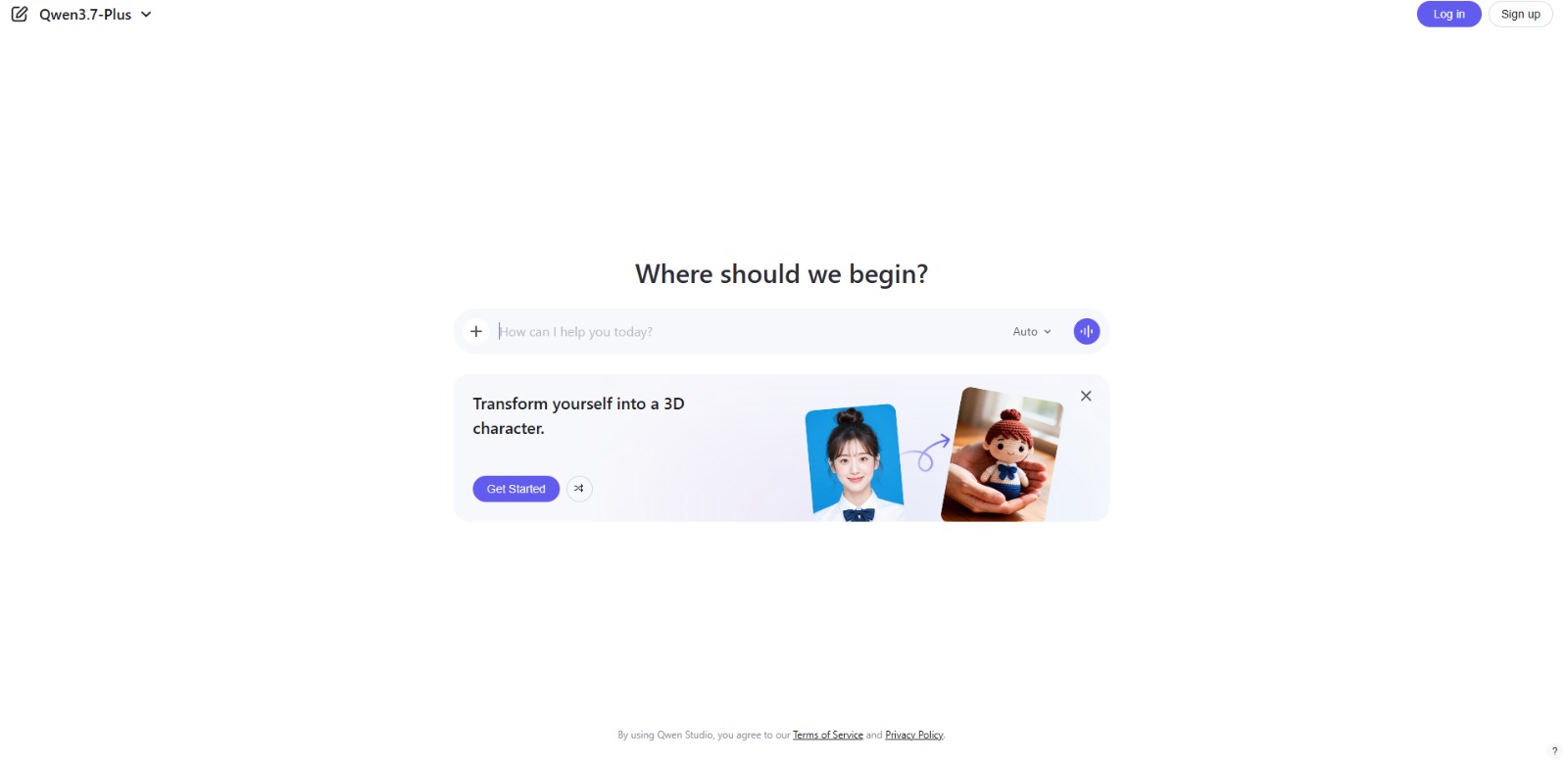
Qwen Chat Review: Is This AI Chatbot Your Next Productivity Power-Up? In this Qwen Chat review, we’ll explore its core capabilities, ideal users, and how this AI assistant can streamline your daily tasks and creative…
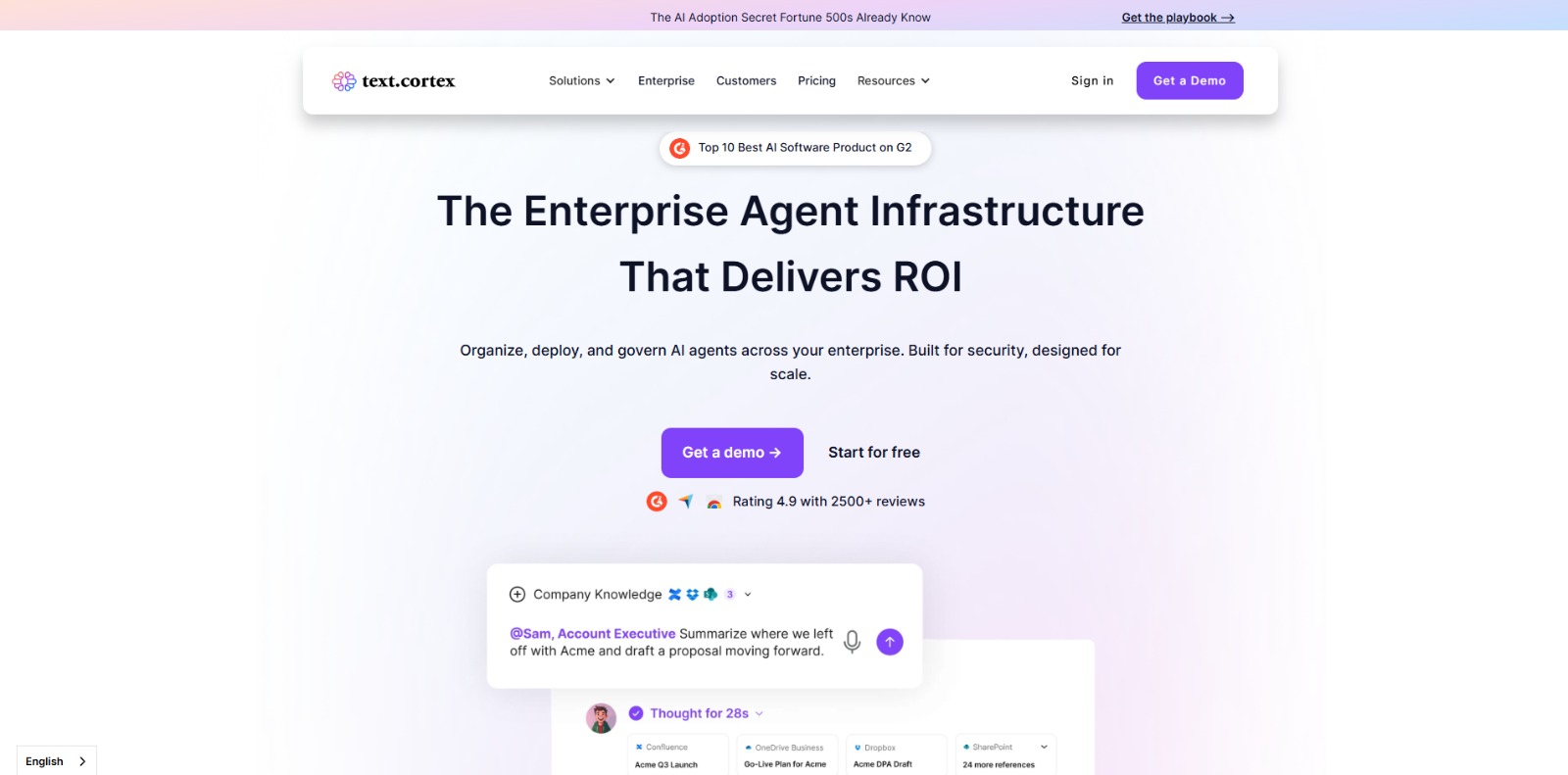
TextCortex: Enterprise AI platform to build, deploy, and govern secure AI agents—workflow automation, knowledge search, data analysis, and integrations included. 🚀
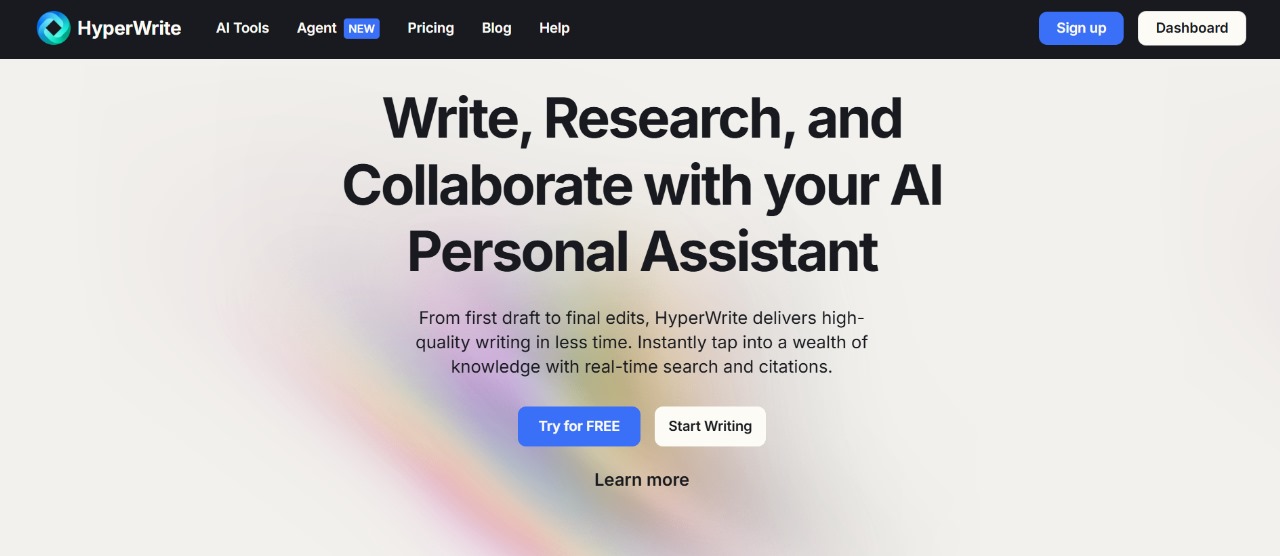
HyperWrite: Effortlessly craft professional, engaging content with HyperWrite—the AI writing assistant that saves you time and boosts creativity!
Curious? Find Your AI Category and See What Awaits!
Recently Added AI Tools

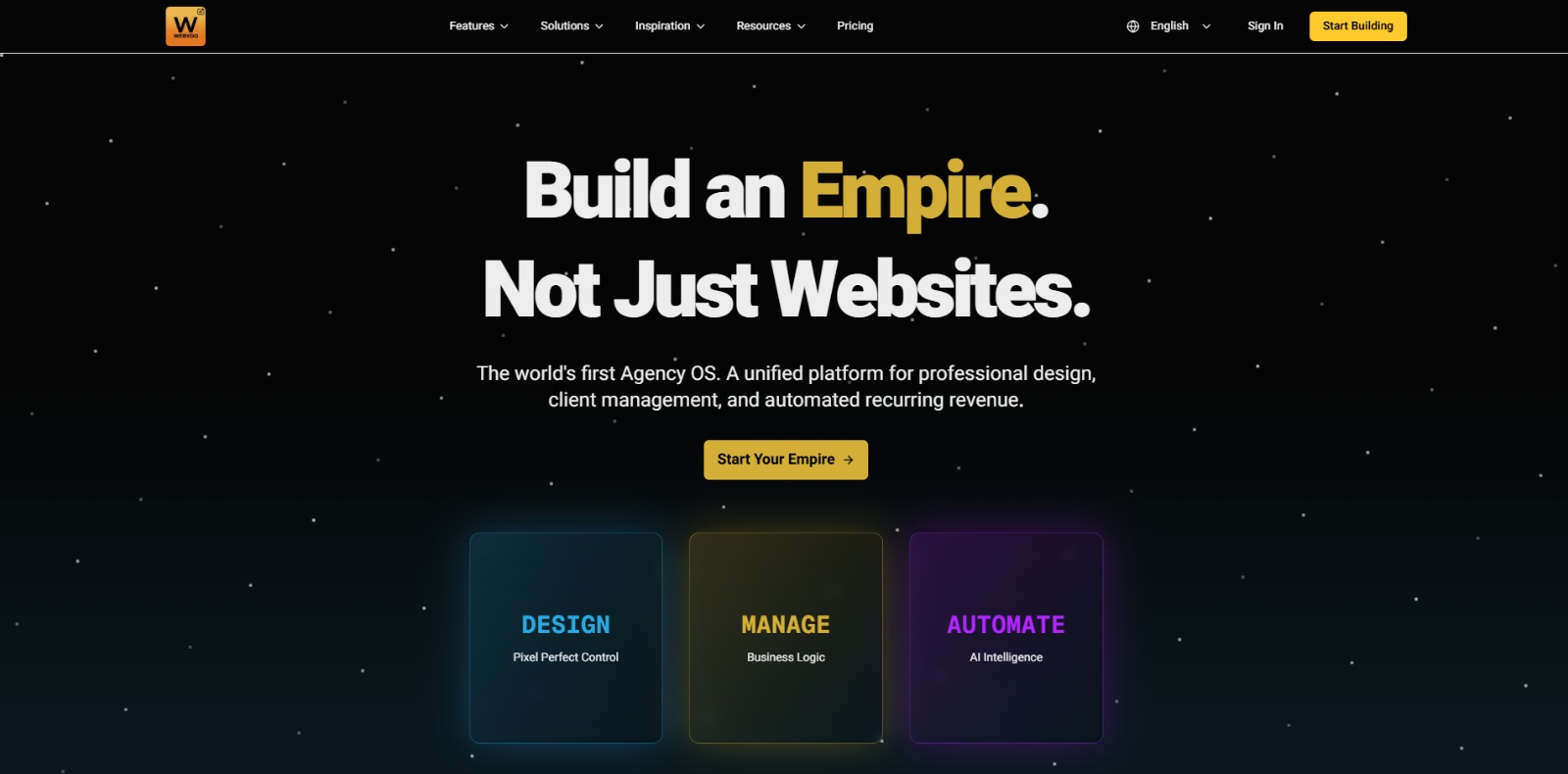
Webydo: All-in-one web design platform to create, launch, and manage client websites without code—fast, polished, and CMS-ready. 🚀

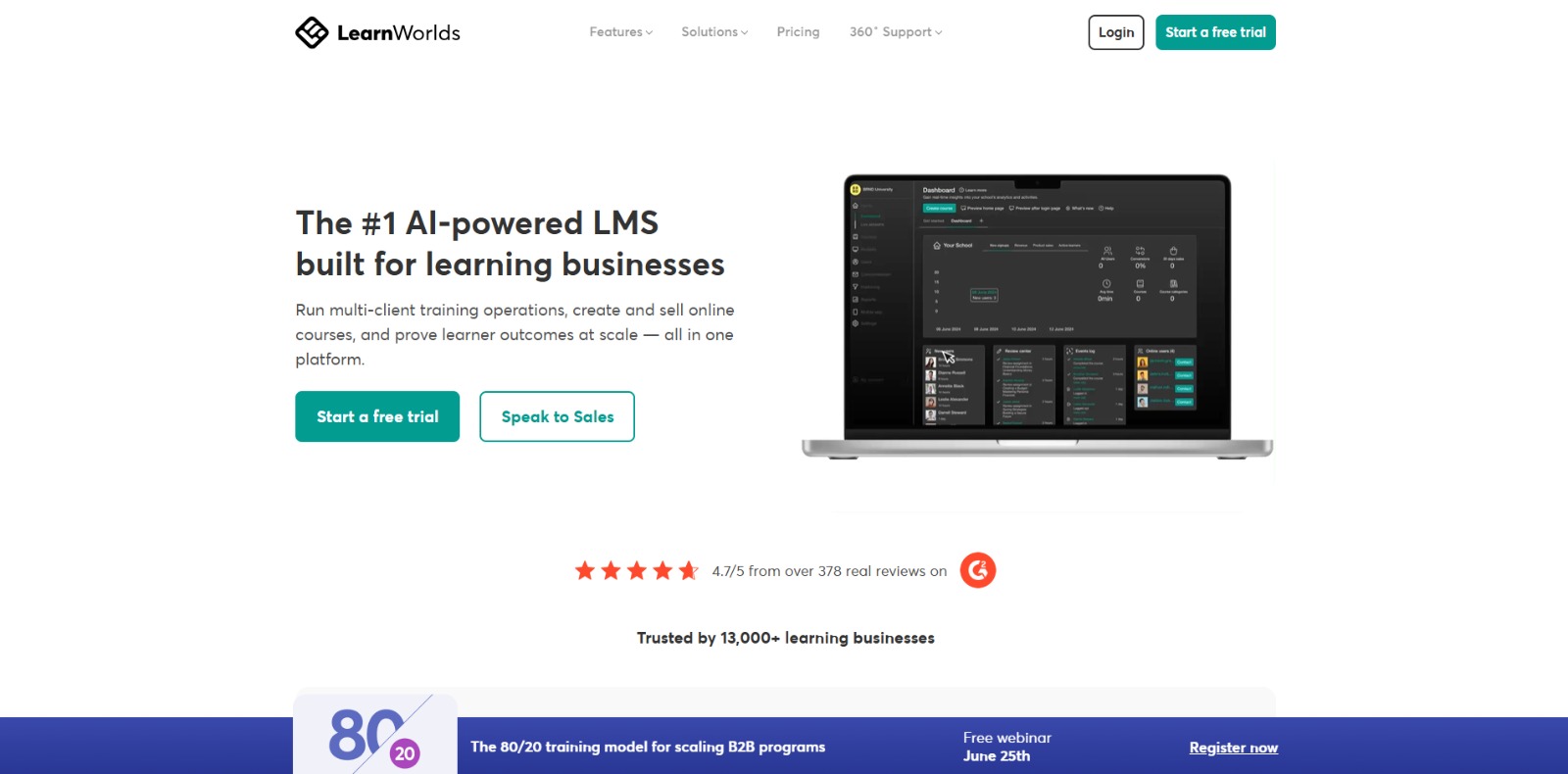
LearnWorlds: AI-powered LMS to create, market, and sell online courses with interactive learning, white-label sites, and built-in funnels. 🚀
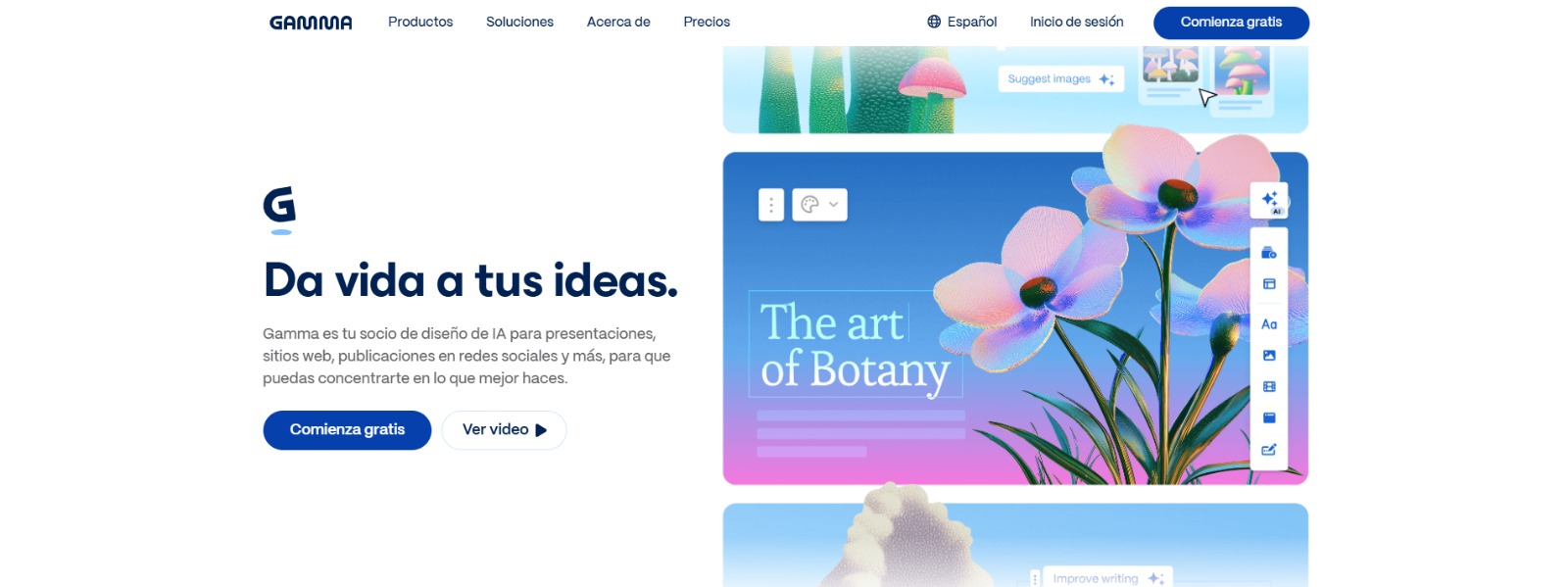
Gamma: Create stunning presentations, websites, and documents with AI—fast drafting, smart design, easy sharing, and export-ready content. 🚀
Qwen Chat Review: Is This AI Chatbot Your Next Productivity Power-Up? In this Qwen Chat review, we’ll explore its core capabilities, ideal users, and how this AI assistant can streamline your daily tasks and creative…
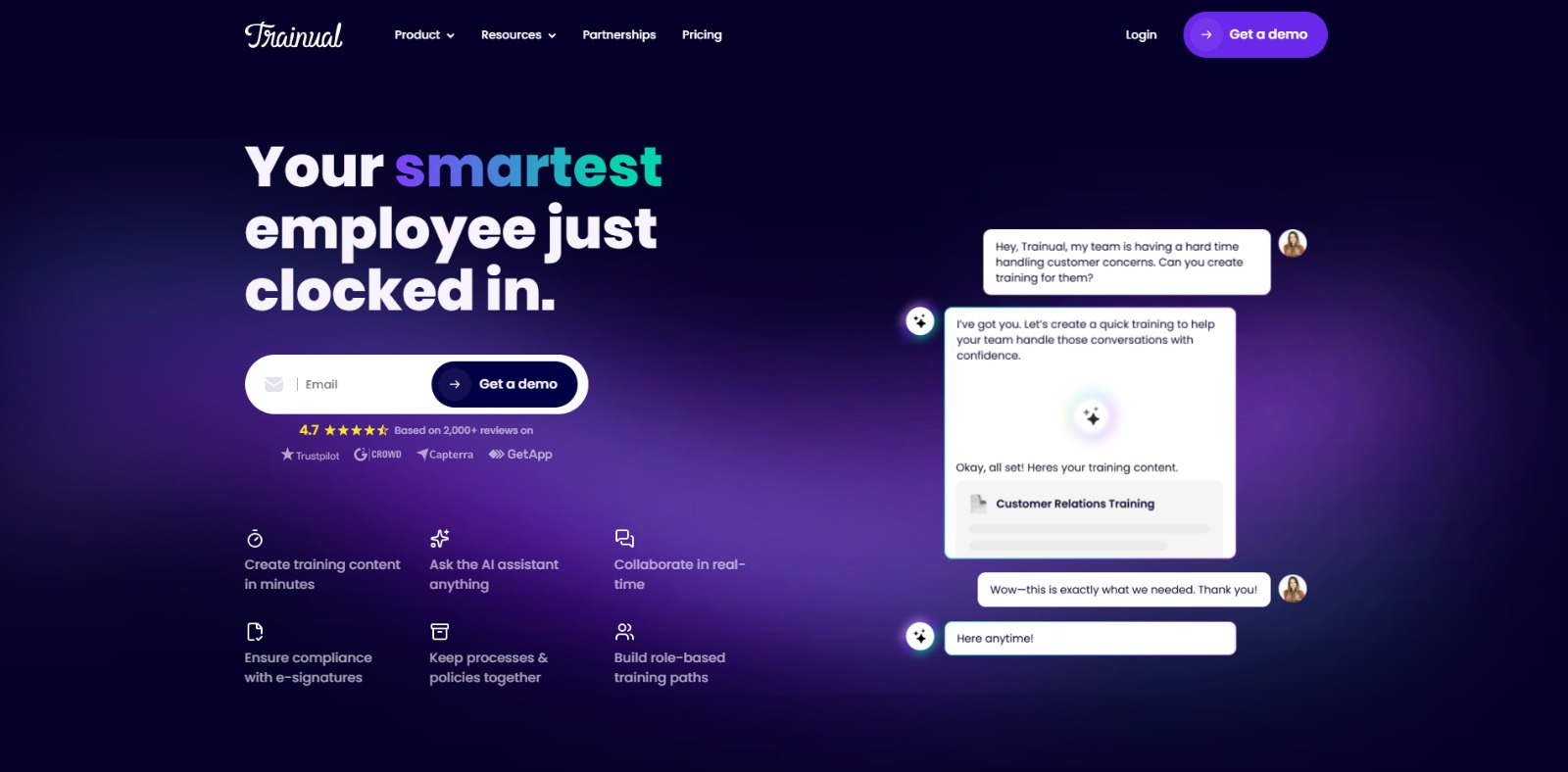
Trainual: AI-powered employee training software to document processes, onboard teams, centralize knowledge, and automate role-based learning at scale. 🚀
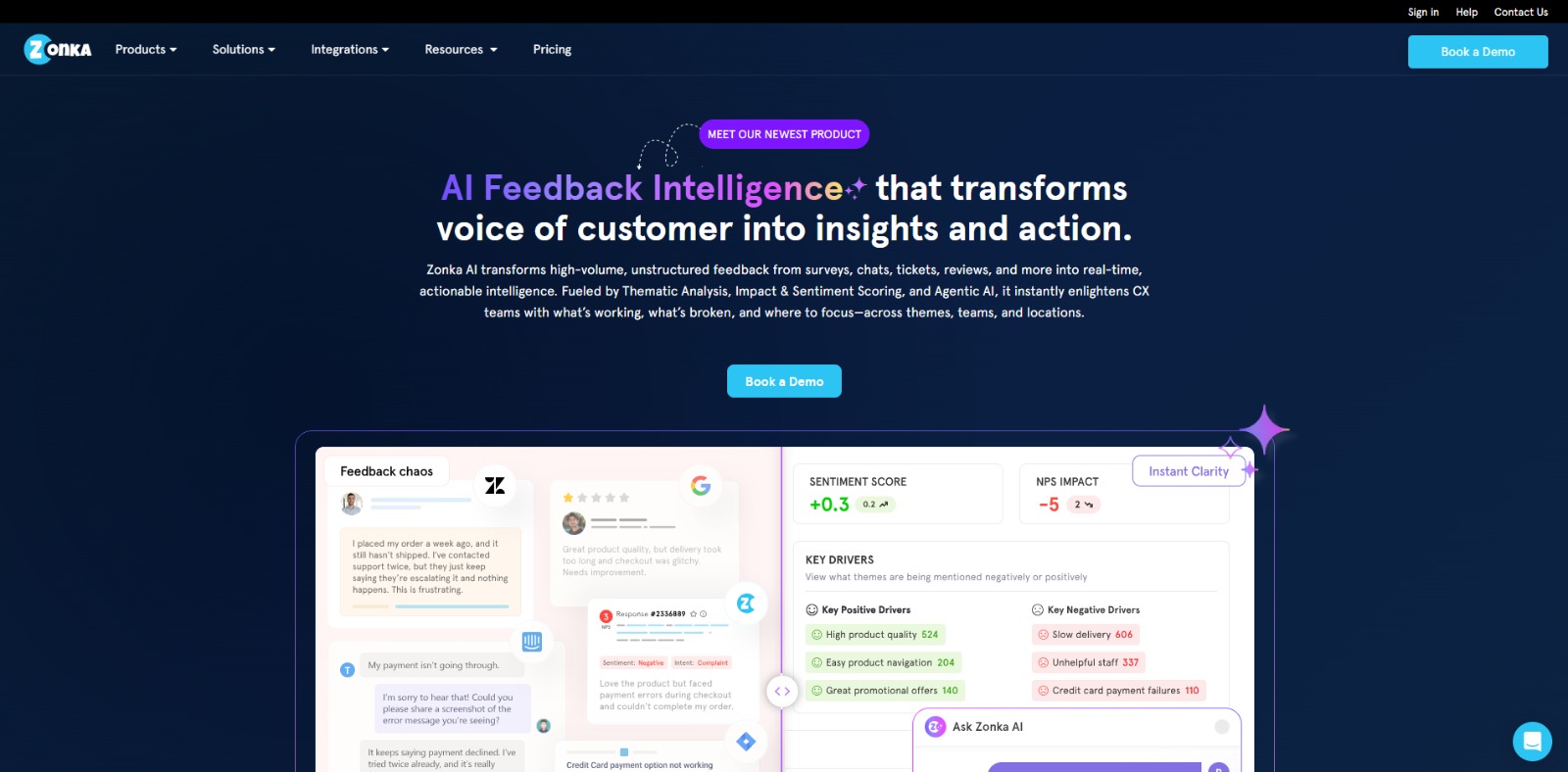
Zonka Feedback: Turn customer feedback into actionable insights with AI-powered surveys, analytics, sentiment tracking, and multichannel CX automation. 🚀
Mini Guide: Everything You Need to Know Before Choosing Your AI Chatbots
Thinking about adding an AI chatbot to your business but not sure where to start? Don’t worry—we’ve got your back (and your inbox). Whether you’re a solo entrepreneur, freelancer, or run a small team, chatbots can help you handle customer questions, collect leads, and even close sales—without you lifting a finger. This quick guide covers the essentials to help you understand how AI chatbots work, what to look for, and why they’re a game-changer for modern businesses. Let’s make sure your chatbot works for you—even while you sleep.
What is an AI chatbot?
An AI chatbot is a digital assistant that uses artificial intelligence to simulate human-like conversations. These bots can answer customer questions, take bookings, capture leads, and even recommend products—instantly and automatically. Unlike traditional bots that follow rigid scripts, AI chatbots learn from data and adapt over time. That means smarter responses, less manual work, and better experiences for your customers. In short: it’s like having a tireless customer support agent working 24/7, without payroll or coffee breaks.
How does an AI chatbot tool work?
AI chatbot tools use natural language processing (NLP) and machine learning to understand and respond to user messages. You can:
Set up conversation flows or use pre-built templates.
Integrate the bot into your website, WhatsApp, Facebook, or Instagram.
Let it handle FAQs, bookings, lead forms, or product recommendations.
The best part? Many platforms are no-code, so you don’t need to be a tech expert. With just a few clicks, you can train your chatbot to respond naturally, qualify leads, and even trigger follow-up emails or CRM updates.
What are the top features to look for in an AI chatbot tool?
Choosing the right AI chatbot? Look for features that make your life easier and your customer happier:
No-code builder (drag & drop flow)
Omnichannel support (Web, WhatsApp, Messenger, etc.)
Pre-built templates for sales, support, or reservations
CRM & automation integrations (Zapier, Hubspot, etc.)
Multilingual & AI-powered responses
Analytics dashboard to track leads and interactions
Bonus points if it includes a free plan or trial so you can test it risk-free!
What are the main benefits of using AI chatbot tools?
AI chatbots save you time, money, and missed opportunities. Here’s how:
Answer instantly, even outside working hours.
Capture more leads without hiring extra staff.
Boost conversions by engaging users at the right time.
Automate repetitive questions, freeing you for strategic tasks.
Deliver 24/7 customer service that feels personal, not robotic.
Whether you’re a solo entrepreneur or scaling a growing team, an AI chatbot becomes your silent (and smart) business partner.
Who should use AI chatbot tools?
AI chatbot tools are perfect for:
Small business owners who can’t afford full-time support staff.
Freelancers and solopreneurs who want to automate tasks.
E-commerce stores that get a high volume of FAQs.
Service-based businesses (like salons, coaches, or consultants) needing appointment scheduling.
Marketers and agencies building funnels and lead capture flows.
Basically, if your business involves messaging with customers—you’ll benefit from a chatbot.
Ready to choose your perfect AI chatbot tool?
You’re just one click away from transforming how you engage with customers. 🎯
Explore our top-rated AI chatbot tools now—handpicked for ease, results, and no-code simplicity.
👇 Find the right bot for your business below 👇
Real Questions About AI Chatbots
Answered With Clarity & Confidence
Still unsure if an AI chatbot is right for your business? You’re not alone. Many entrepreneurs and freelancers wonder how it works, how hard it is to set up, and whether the investment is really worth it. This section answers the most common (and honest) questions real users have when deciding if an AI chatbot can help them save time, increase conversions, and automate without stress. Let’s clear up the confusion—one helpful answer at a time.
Can I use an AI chatbot even if I don’t know how to code?
Absolutely. Most modern AI chatbot platforms are built for non-technical users. They offer drag-and-drop interfaces, pre-designed conversation templates, and simple onboarding tutorials. You don’t need to write a single line of code. If you can build an Instagram story or use Canva, you can launch a chatbot. These tools are designed to be visual, intuitive, and beginner-friendly, so you can focus on growing your business—not learning to program.
Will a chatbot really sound natural or just robotic?
That depends on the tool—but many AI-powered chatbots today sound impressively natural. Thanks to natural language processing (NLP) and customizable responses, you can make your bot reflect your brand’s voice and tone. You can also preview and tweak replies to make sure your chatbot doesn’t sound like a robot from the 2000s. Some platforms even offer AI-generated suggestions to help you sound more human and less scripted.
What are the most common mistakes when setting up a chatbot?
Here are some common pitfalls to avoid:
Trying to do too much too soon (keep it simple).
Using overly formal or robotic language.
Not offering users a clear way to speak to a human if needed.
Failing to test different flows before launching.
Ignoring analytics or feedback after setup.
Start small with a clear goal, like answering FAQs or booking appointments, and build from there.
How can I use a chatbot for WhatsApp or Instagram?
To use a chatbot on WhatsApp or Instagram, connect an AI chatbot platform—such as ManyChat, MobileMonkey, or Twilio—to your business account. These platforms integrate with the messaging API and allow you to set up automated conversations, answer FAQs, take orders, or qualify leads. On WhatsApp, you’ll need a verified business number, while on Instagram, your account must be set to Business or Creator. Once connected, you can create conversation flows, add AI-powered responses, and set triggers for messages, comments, or specific keywords.
Is it safe to trust an AI chatbot with customer conversations?
Yes, if you choose a reputable platform. Most top chatbot tools include data encryption, privacy controls, and compliance with GDPR or similar regulations. You can also review and moderate conversations, set limits on what the bot can do, and program escalation to human support if needed. For peace of mind, always look for platforms that offer user permissions, secure APIs, and clear privacy policies.
How fast can I see results from an AI chatbot?
Results from an AI chatbot can appear within days, depending on your setup and audience size. Businesses often see immediate improvements in response times, lead capture, and customer engagement once the chatbot is active. For measurable sales or conversion gains, the timeline may be one to three weeks as the bot learns from interactions and you optimize scripts or AI prompts. The speed of results also depends on traffic volume, integration quality, and whether the chatbot is promoted through ads, email, or social media.
What kind of businesses get the most out of AI chatbots?
AI chatbots deliver the most value to businesses that handle frequent customer inquiries, bookings, or transactions. E-commerce stores, restaurants, service providers, healthcare practices, and educational institutions benefit from instant replies, appointment scheduling, and 24/7 availability. Businesses with active social media engagement also gain an edge by converting messages into leads or sales through automated yet personalized responses. Essentially, any business that relies on quick, consistent communication can boost efficiency and customer satisfaction with an AI chatbot.
What happens if a customer asks something my bot doesn’t understand?
No worries. Most platforms let you create fallback responses like “I’m not sure I understand—would you like to speak to someone?” You can also tag messages for manual review or redirect to human support. Some tools use AI to improve over time by learning from unanswered questions. So even when your bot doesn’t know something, it helps you learn what to improve next.
Are free chatbot tools worth trying?
Yes—free chatbot tools are a good starting point for testing automation before investing in premium features. Platforms like ManyChat (free tier), Tidio, and Chatfuel offer basic capabilities such as simple conversation flows, keyword triggers, and limited monthly interactions. They’re ideal for small businesses or personal projects that need basic customer support or lead capture. However, free plans often have restrictions—like fewer automation rules, branding requirements, or lower message limits—so upgrading is necessary for scaling or adding advanced AI features.
What’s the ROI of using an AI chatbot for small businesses?
The return on investment can be substantial:
Save 10–20 hours/week of manual work.
Increase lead capture by 30% or more.
Respond instantly—without extra staff.
Boost customer satisfaction and retention.
The best part? Most chatbot tools cost less than a daily coffee habit. With the right setup, you’ll likely recover your investment within weeks—while sleeping.
AI Chatbots FAQs
Still unsure about switching from ChatGPT? These quick FAQs answer the most searched doubts about alternatives—like pricing, trust, use cases, and what makes them different. Save time, gain clarity, and get ready to pick the AI that truly fits your needs.
Is an AI chatbot free to use?
Is an AI chatbot free to use?
Some AI chatbot tools offer free plans with basic features, while others charge monthly fees. Free plans are great for testing or simple use cases like FAQs or lead capture. However, if you need advanced automation, integrations, or multi-channel support, you may need to upgrade. Prices typically range from $15 to $100+ per month, depending on the platform and features. Always look for a tool with a free trial to explore before committing.
What’s the difference between an AI chatbot and a regular chatbot?
What’s the difference between an AI chatbot and a regular chatbot?
An AI chatbot uses artificial intelligence—often powered by natural language processing (NLP) and machine learning—to understand context, interpret user intent, and generate dynamic, human-like responses. These chatbots can learn from interactions over time, adapt to different conversation styles, and handle complex or unpredictable queries without relying solely on pre-programmed answers. This makes them ideal for personalized support, lead qualification, and engaging, natural conversations across multiple channels.
A regular chatbot, on the other hand, works primarily through predefined scripts or decision trees. It follows a fixed set of commands and responds based on exact keywords or menu selections. While effective for simple, repetitive tasks like FAQs or appointment bookings, it lacks the adaptability and contextual understanding of AI-driven systems. In short, regular chatbots are rule-based and predictable, while AI chatbots are flexible, self-improving, and capable of delivering more natural, human-like interactions.
Is it safe to use an AI chatbot on my website or social media?
Is it safe to use an AI chatbot on my website or social media?
Yes—using an AI chatbot on your website or social media is generally safe, provided you choose a reputable platform and configure it securely. Trusted chatbot providers follow data protection standards, offer encryption, and allow you to control what information is collected or stored. To keep it safe, avoid having the bot request sensitive personal or payment details unless it’s through a secure, compliant channel. Always review the tool’s privacy policy, set clear usage guidelines, and monitor interactions to ensure the chatbot’s responses align with your brand and comply with applicable regulations.
Are AI chatbots replacing human jobs?
Are AI chatbots replacing human jobs?
Not exactly. AI chatbots are designed to assist, not replace. AI chatbots are automating certain tasks that were traditionally handled by humans—such as answering FAQs, scheduling appointments, or handling simple customer service requests—but they’re not replacing all jobs. Instead, they tend to shift the nature of work, allowing human staff to focus on more complex, high-value, and relationship-driven tasks. In many cases, AI chatbots complement human teams by handling routine interactions at scale, reducing workload and response times. While some entry-level or repetitive roles may be impacted, new opportunities are also emerging in chatbot design, AI training, and customer experience management.
How can I make money using an AI chatbot?
How can I make money using an AI chatbot?
You can make money with an AI chatbot by automating lead generation, handling sales inquiries, and improving response times—all of which increase conversions. Many entrepreneurs use chatbots to qualify leads, upsell products, or book appointments while they sleep. If you offer services, a chatbot can also act as a 24/7 assistant, capturing client requests even when you’re offline. Plus, freelancers and agencies often resell chatbot setup services to other businesses, making it a smart revenue stream.