
AI BUSINESS
Best AI Tools for Business to Automate, Scale, and Succeed
Empower your business with AI.
No tech skills required, just smart results

Looking to make your business more efficient, scalable, and competitive—without hiring more people or spending months learning new systems? The AI Business category is tailor-made for entrepreneurs, small business owners, consultants, and digital professionals who want to automate repetitive tasks, optimize operations, and boost sales using intelligent tools. Whether you’re exploring AI for customer support, sales, finance, marketing, or productivity, here you’ll find curated solutions that speak your language: practical, easy to use, and ROI-focused. Forget the tech jargon—just real tools for real business outcomes.
Browse the top AI tools to grow your business without burning out

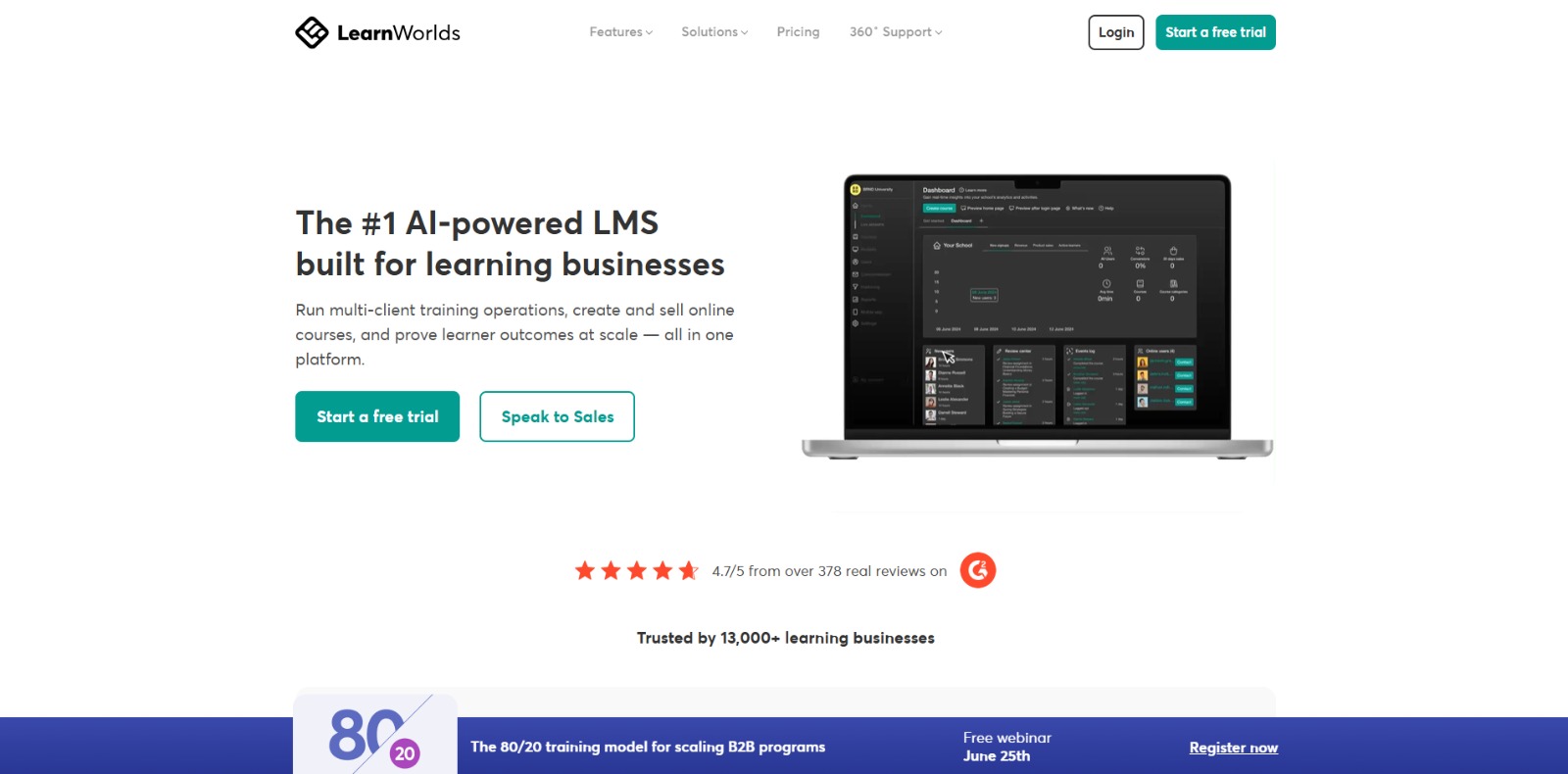
LearnWorlds: AI-powered LMS to create, market, and sell online courses with interactive learning, white-label sites, and built-in funnels. 🚀

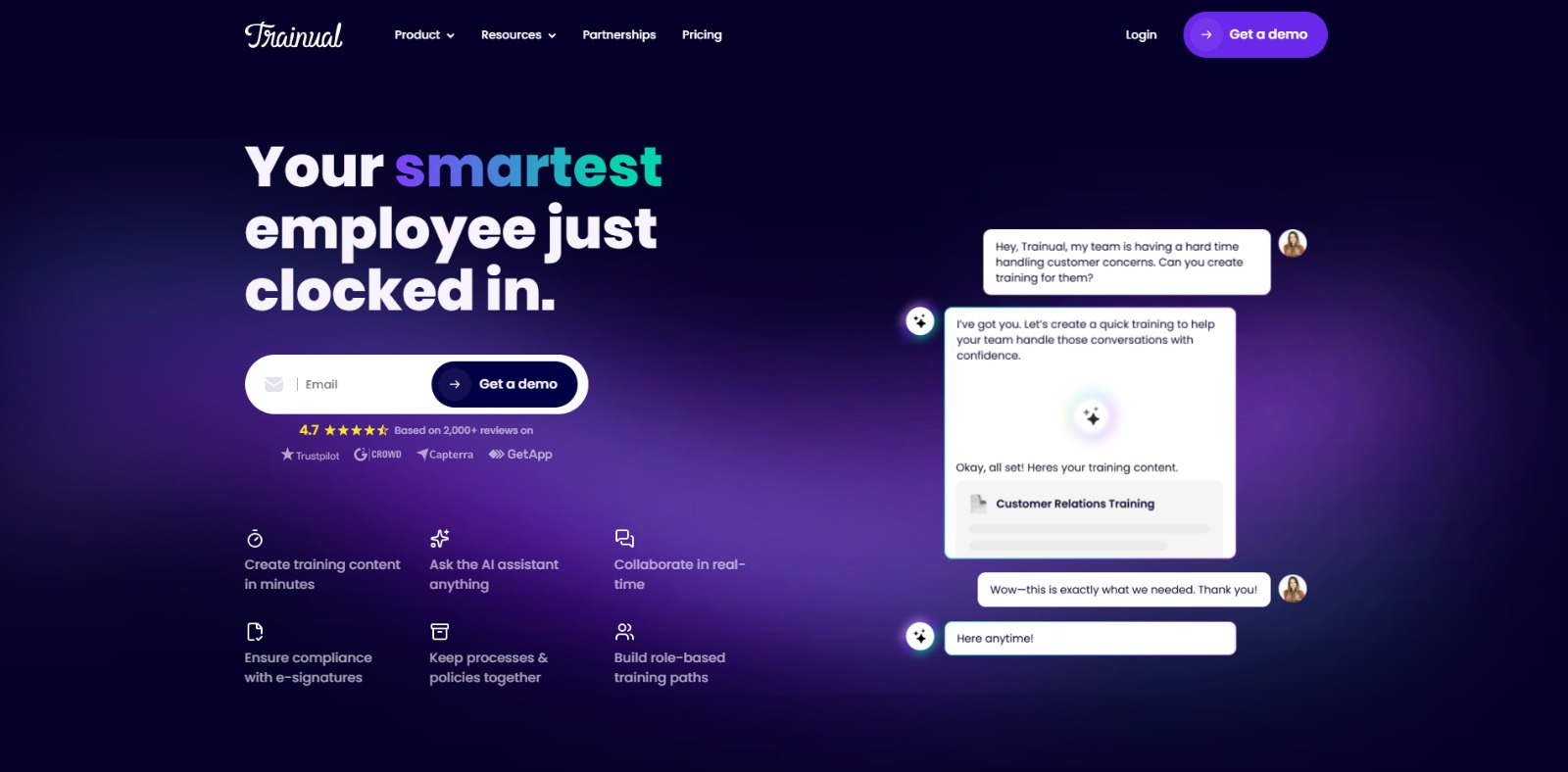
Trainual: AI-powered employee training software to document processes, onboard teams, centralize knowledge, and automate role-based learning at scale. 🚀

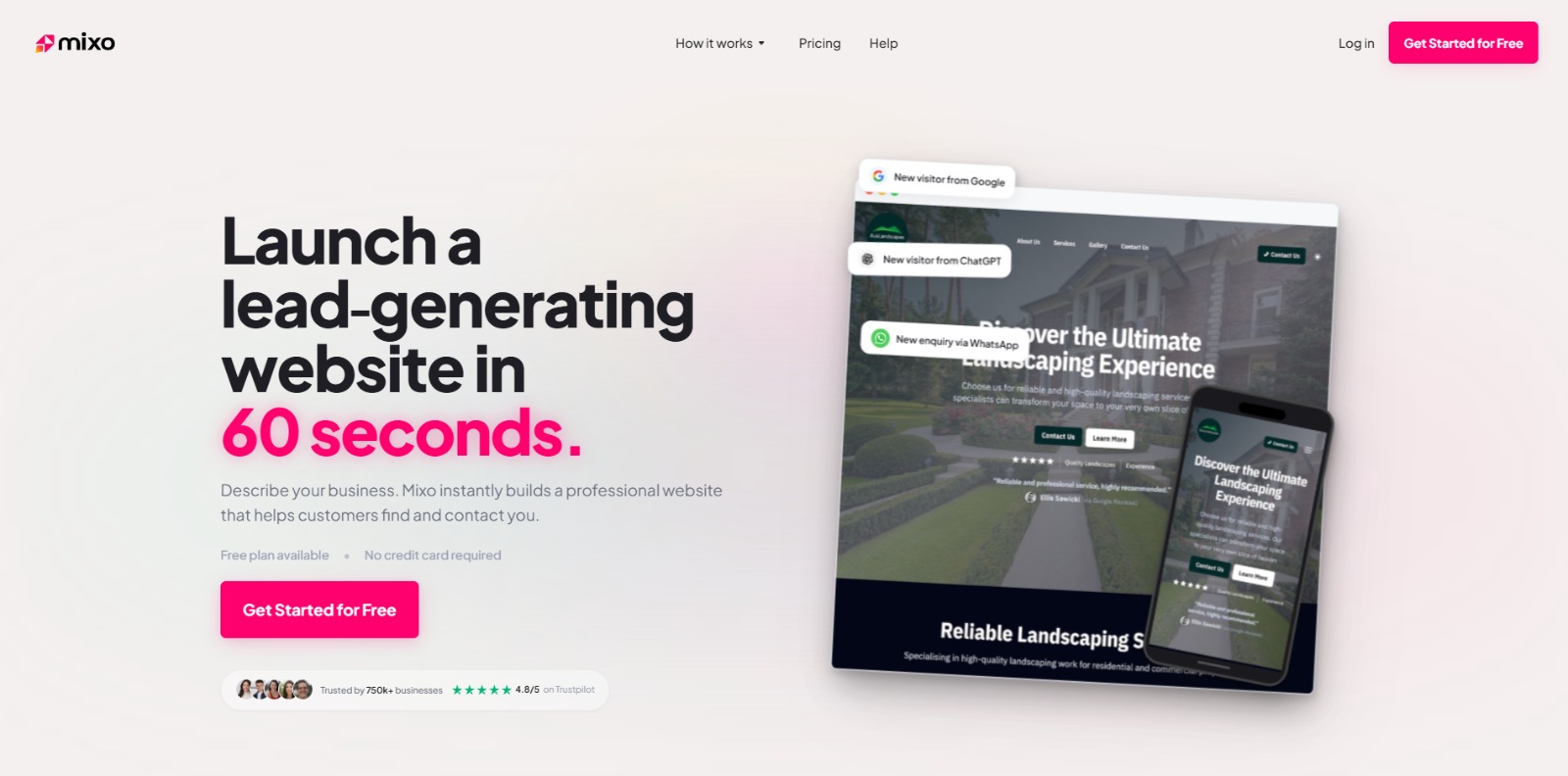
Mixo: Launch a lead-generating website in seconds—AI-built pages, content, forms, SEO basics, and integrations for small businesses. 🚀


Simplified: All-in-one AI marketing suite—design, write, edit video, and schedule socials with brand kits and team collaboration. 🚀


Winston AI: Detect AI-generated text with high accuracy, plus plagiarism and deepfake image checks—multilingual, API & Chrome extension. 🚀
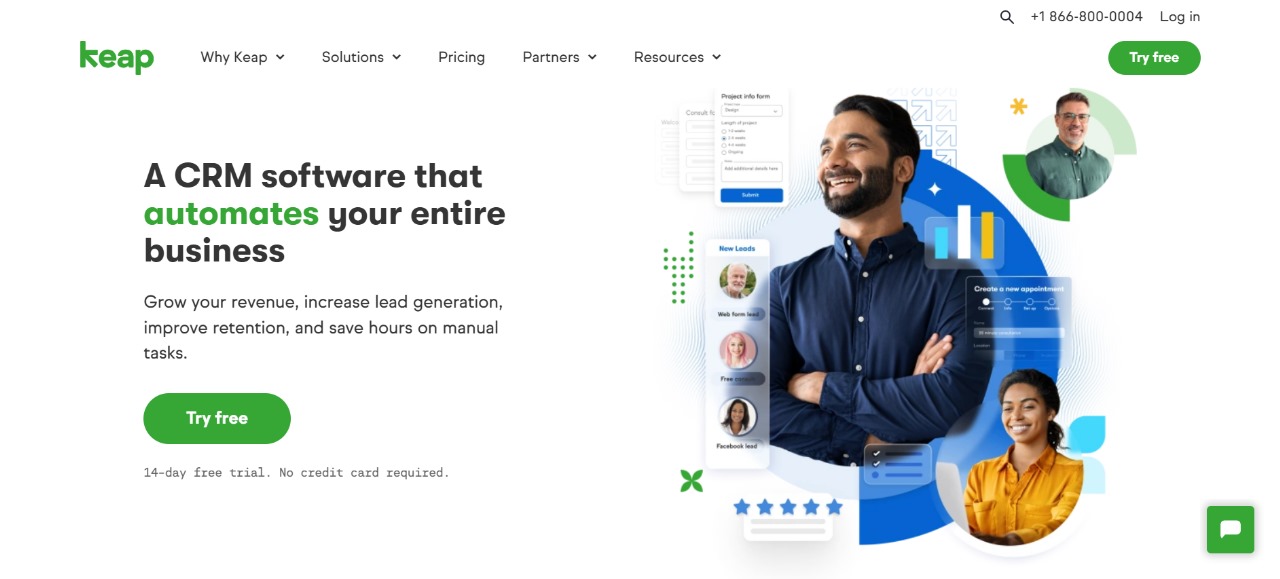
Keap: Simplify, automate, and grow your business effortlessly with all-in-one CRM and marketing automation. 🚀✨

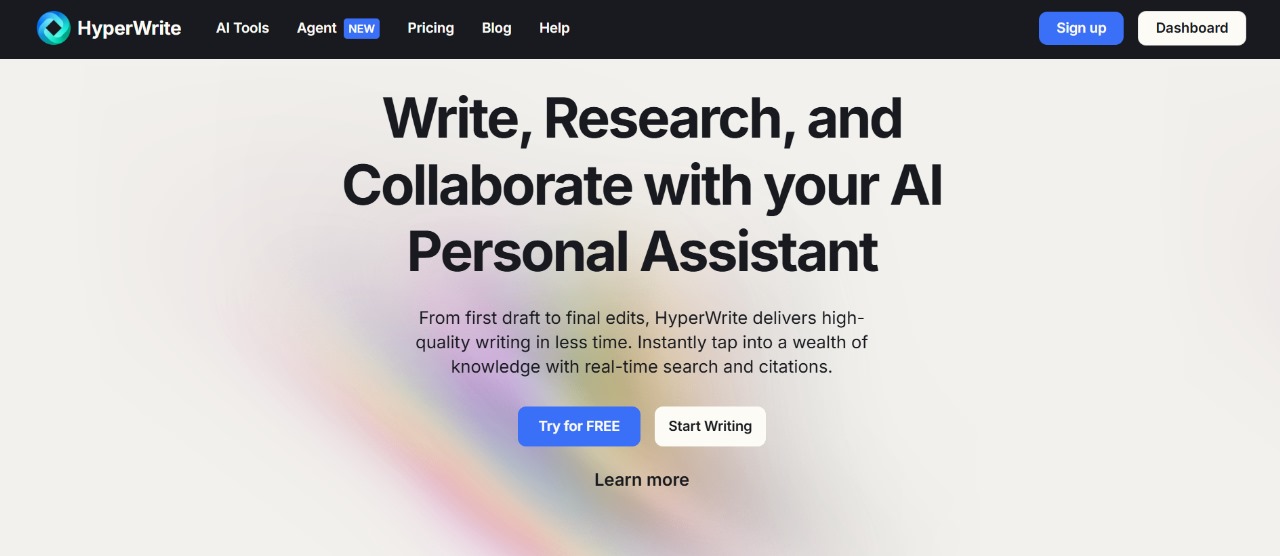
HyperWrite: Effortlessly craft professional, engaging content with HyperWrite—the AI writing assistant that saves you time and boosts creativity!
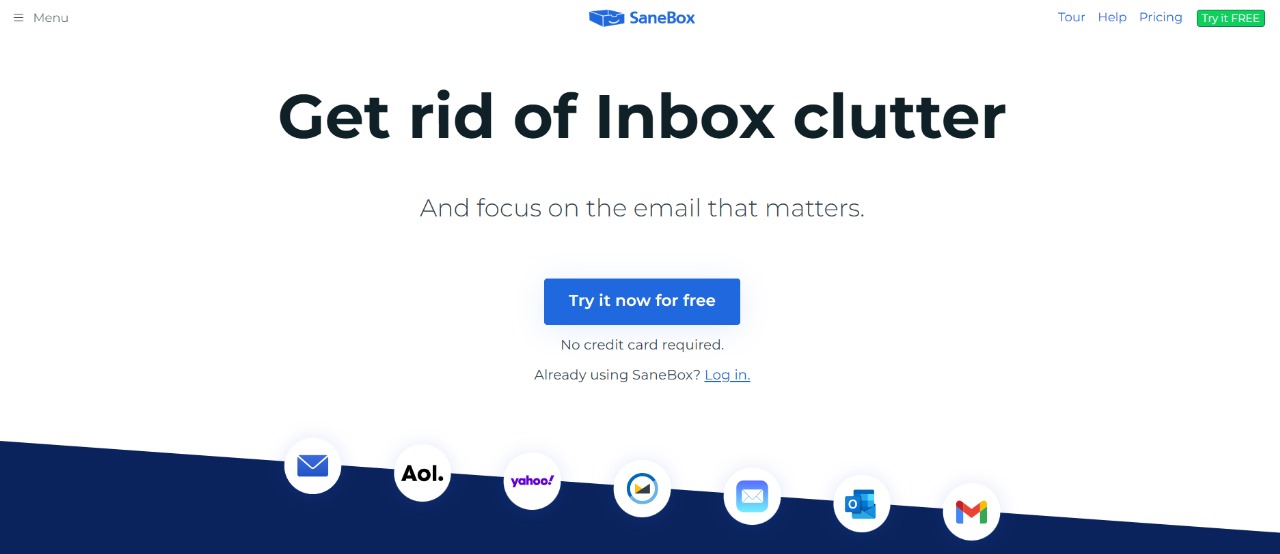
SaneBox: AI-powered email assistant that organizes your inbox, saves time, and boosts productivity effortlessly. 🚀📧

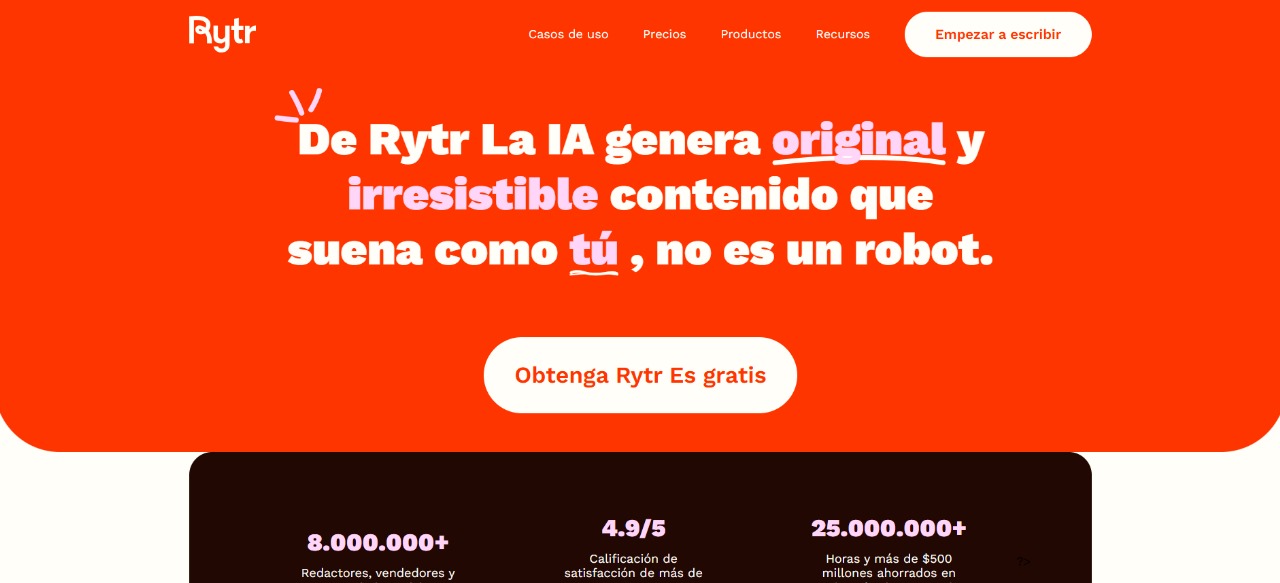
Ryte.me: Effortlessly create high-quality, SEO-optimized content in minutes with Rytr, your AI-powered writing companion! 🚀✨

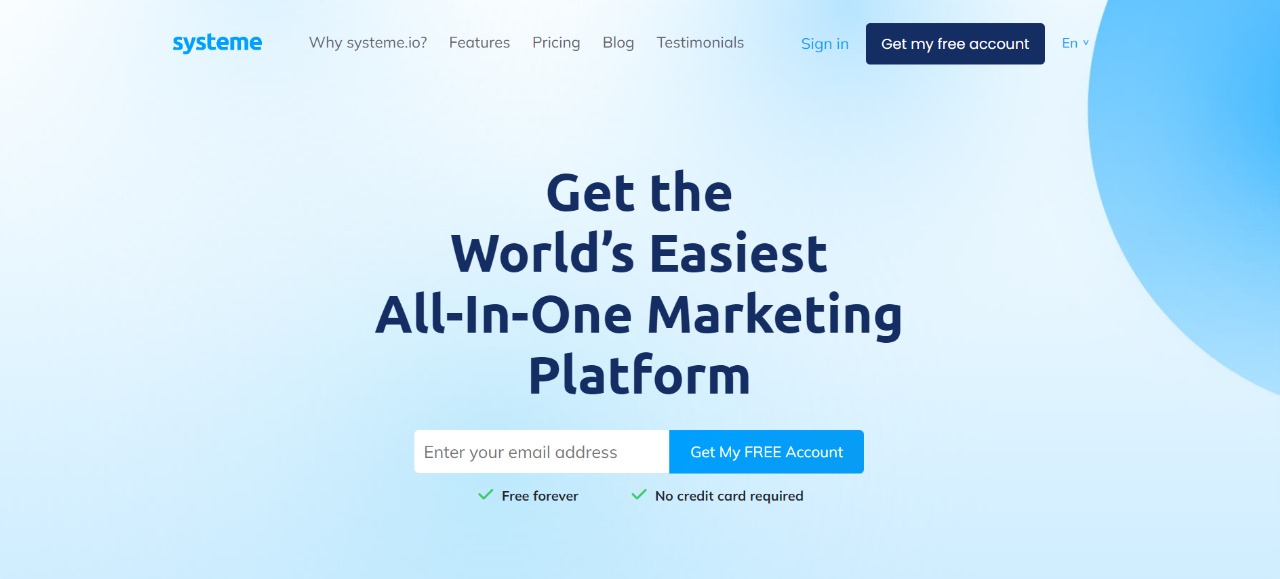
Systeme.io: An all-in-one platform for building sales funnels, automating marketing, managing emails, and growing online businesses.
Curious? Find Your AI Category and See What Awaits!
Recently Added AI Tools


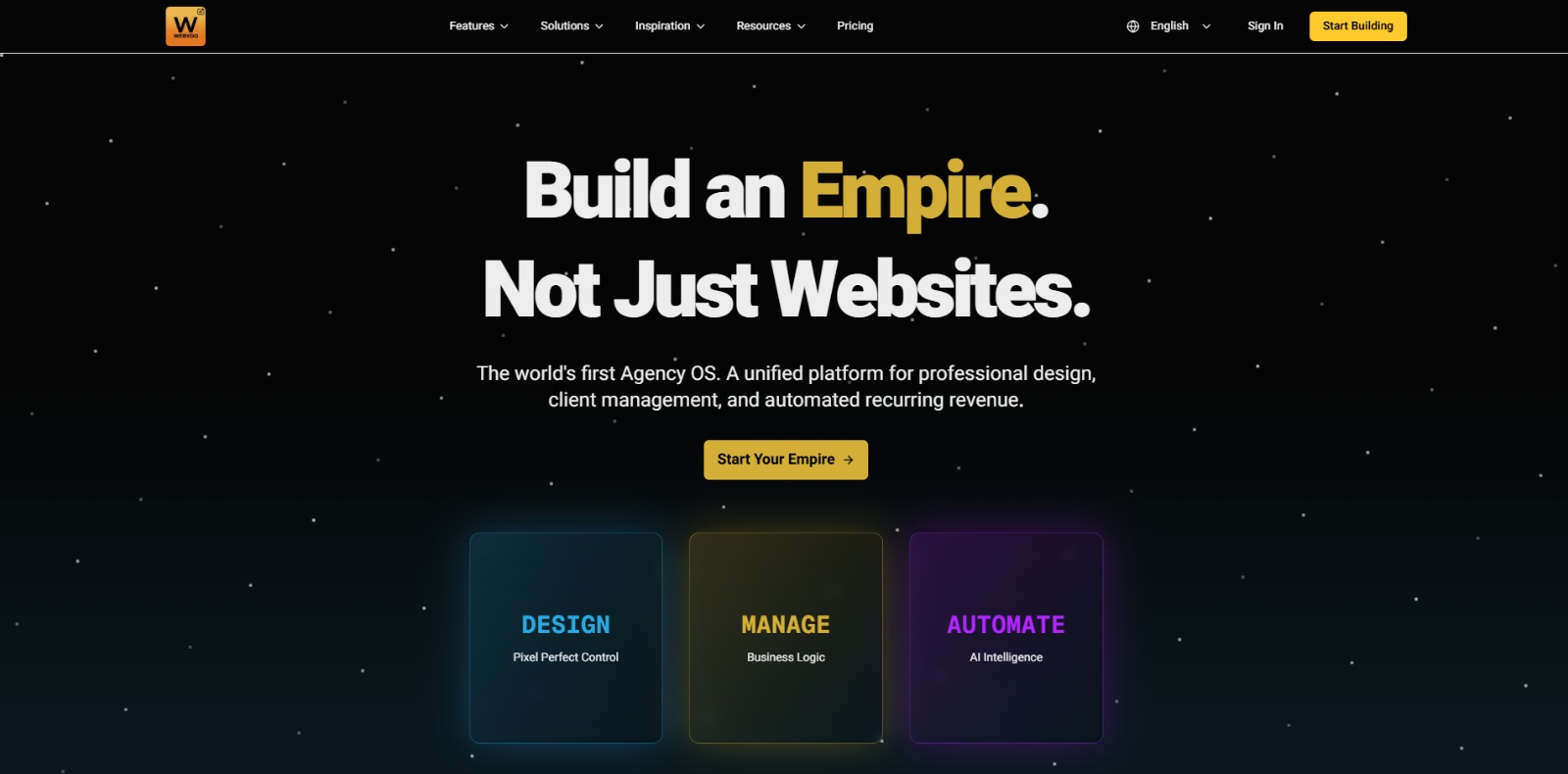
Webydo: All-in-one web design platform to create, launch, and manage client websites without code—fast, polished, and CMS-ready. 🚀
LearnWorlds: AI-powered LMS to create, market, and sell online courses with interactive learning, white-label sites, and built-in funnels. 🚀
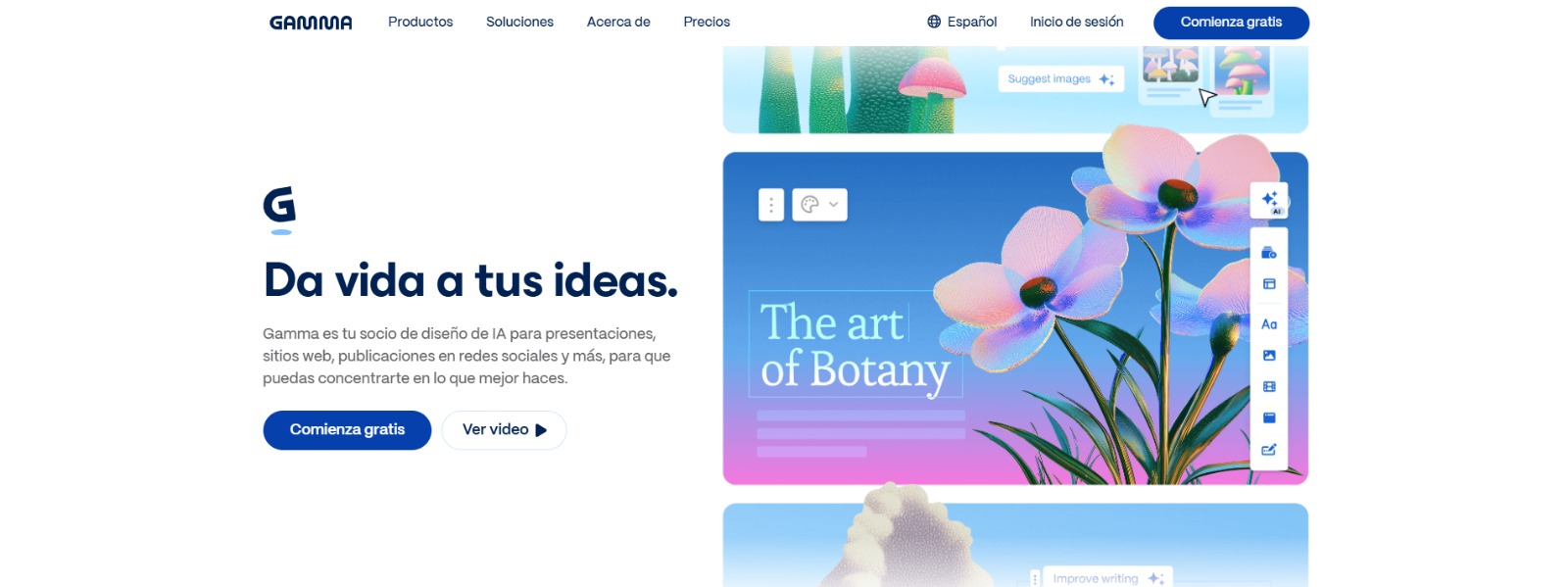
Gamma: Create stunning presentations, websites, and documents with AI—fast drafting, smart design, easy sharing, and export-ready content. 🚀
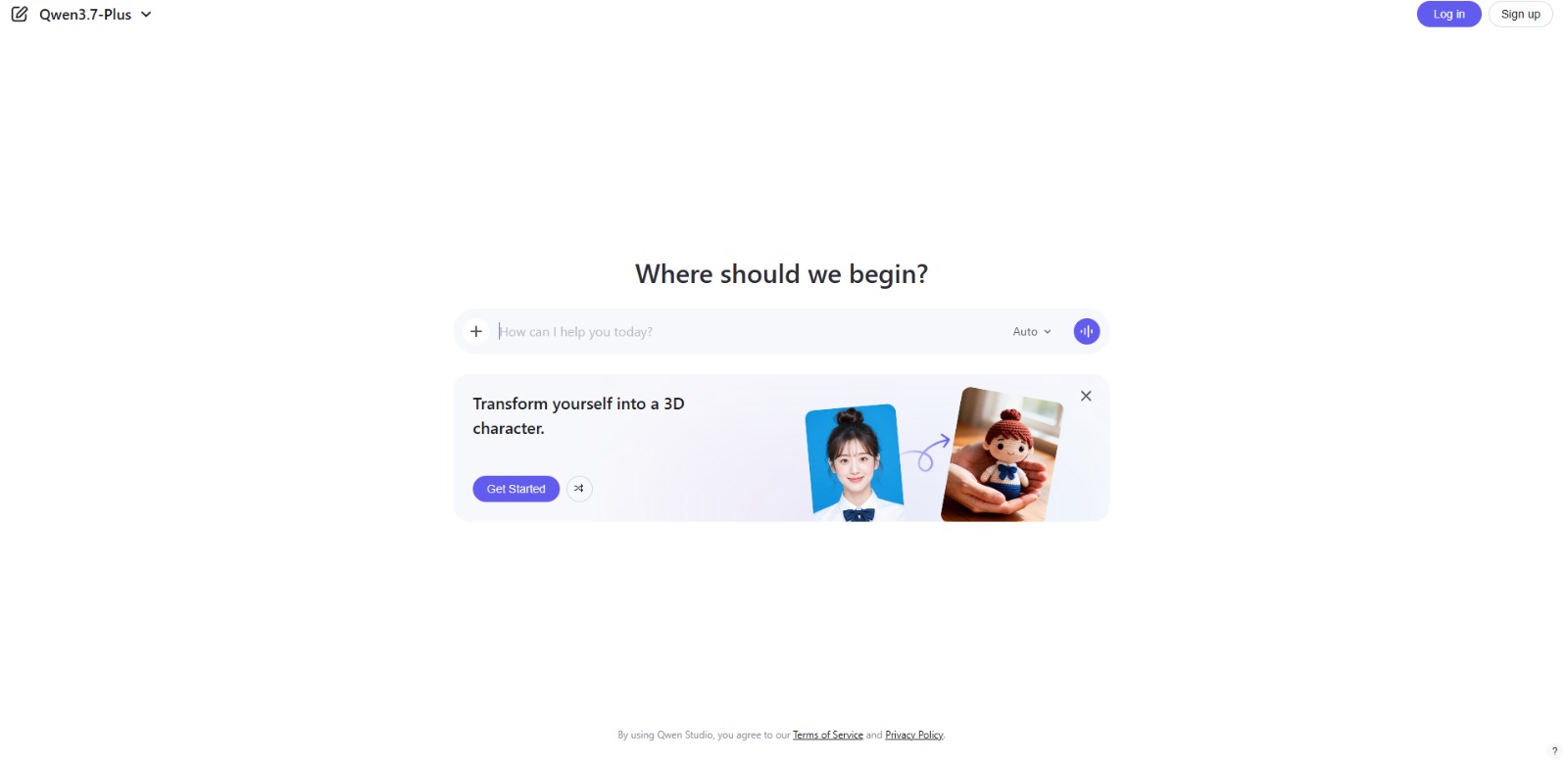
Qwen Chat Review: Is This AI Chatbot Your Next Productivity Power-Up? In this Qwen Chat review, we’ll explore its core capabilities, ideal users, and how this AI assistant can streamline your daily tasks and creative…
Trainual: AI-powered employee training software to document processes, onboard teams, centralize knowledge, and automate role-based learning at scale. 🚀
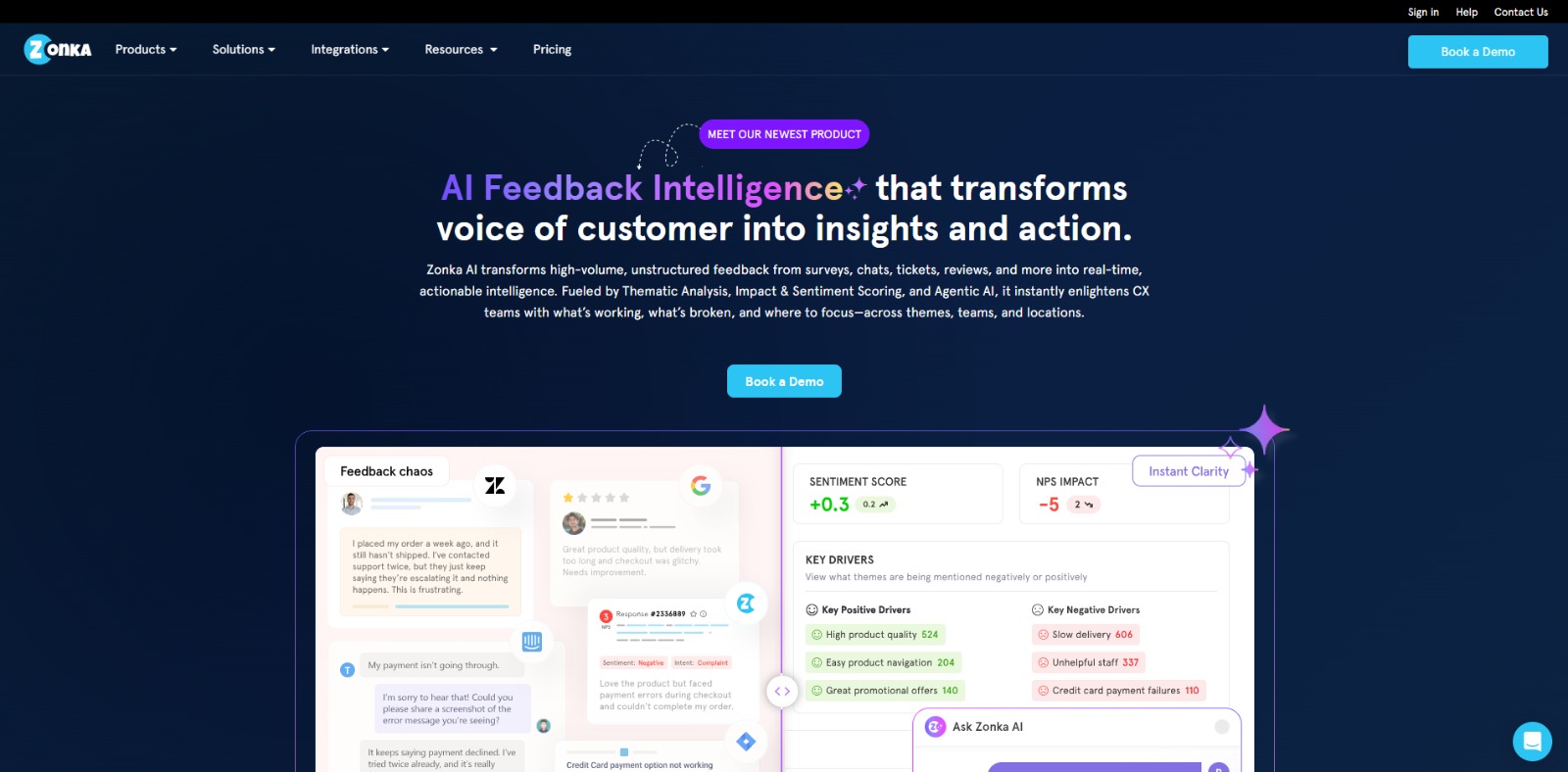
Zonka Feedback: Turn customer feedback into actionable insights with AI-powered surveys, analytics, sentiment tracking, and multichannel CX automation. 🚀
Mini Guide:
How AI Business Tools Help You Work Smarter (Not Harder)
Looking to streamline your business, boost efficiency, or scale without burnout? This quick guide will answer your key questions about AI Business tools—what they are, how they work, and how to choose the right one. Whether you’re a small business owner, solo entrepreneur, or scaling startup, this is your friendly starting point for making AI work for you.
What is AI Business?
AI Business refers to the use of artificial intelligence tools to automate, optimize, and scale core business activities—without needing a technical background. From managing leads to drafting reports or handling customer queries, AI can perform repetitive, logic-based tasks faster and smarter. These tools help business owners reduce manual work, improve decision-making, and deliver better customer experiences. Whether you run a one-person agency or a growing startup, AI Business tools help you do more with less—and stay competitive in a fast-changing world.
How does an AI Business tool work?
AI Business tools typically rely on machine learning and automation to simplify tasks that used to require manual input. For example, a tool might:
Analyze data to generate financial summaries,
Respond to customer messages automatically,
Create marketing content based on your brand tone,
Track project progress or send follow-up emails.
Many tools are no-code, meaning you don’t need to be a developer to use them. You simply input data or choose from prebuilt templates—and the tool does the heavy lifting for you. The goal? Save time, reduce costs, and improve results without tech overwhelm.

What are the top features to look for in an AI Business tool?
Choosing the right tool depends on your goals, but here are must-have features to watch for:
Ease of use: A clean, intuitive interface—no tech headaches.
Automation capabilities: Can it actually replace manual tasks?
Customization: Adaptable to your workflows and business logic.
Integration: Works well with your existing tools (email, CRM, etc.).
Transparency: Clear pricing and ethical use of your data.
Bonus tip: Look for platforms with a free plan or trial so you can test before committing. In business, every dollar counts.
What are the main benefits of using AI Business tools?
The benefits go beyond time-saving. Here’s what you can expect:
Increased productivity: Handle more tasks without hiring.
Smarter decisions: AI turns messy data into actionable insights.
Better customer experiences: Instant, AI-powered responses = happier clients.
Scalability: Grow operations without growing overhead.
Competitive edge: Stay ahead of the curve, not behind it.
If you’re still doing things manually, you’re spending more energy than necessary—and leaving money on the table.
Who should use AI Business tools?
AI Business tools are designed for:
Entrepreneurs juggling everything from sales to support,
Small business owners looking to automate without big budgets,
Freelancers and consultants who want to boost their output,
Startups scaling fast with lean teams,
Agencies managing multiple clients and workflows.
If your to-do list keeps growing but your team doesn’t, AI isn’t a luxury—it’s leverage. These tools are built for real-world business needs, not just tech experiments.
What’s the difference between an AI business and an AI company?
An AI business refers broadly to any organization, project, or venture that leverages artificial intelligence to deliver products, services, or internal efficiencies. This could include solopreneurs using AI tools to automate tasks, digital agencies offering AI-powered services, or traditional businesses integrating AI into their operations. The term is often associated with AI entrepreneurship, small ventures, or emerging business models built around automation, personalization, and smart decision-making. From content creation and chatbots to predictive analytics and AI automation, an AI business can be digital-first or part of a hybrid structure.
In contrast, AI companies typically refer to tech firms that build, develop, or sell AI technologies at scale. These include well-known artificial intelligence companies like OpenAI, Anthropic, or NVIDIA, as well as B2B SaaS startups specializing in AI platforms. AI companies often have dedicated research teams, proprietary algorithms, and funding to scale infrastructure. They supply tools, APIs, and models that other businesses—AI-based or not—can use. While every AI company is an AI business, not every AI business is a company in the corporate sense; the difference often lies in scale, focus, and whether the company creates the AI tech or simply uses it.
What’s the difference between an AI Startup and AI for Startups?
An AI startup is a company whose core product, service, or innovation is built using artificial intelligence. These businesses develop AI-powered solutions—such as generative models, intelligent chatbots, autonomous systems, or predictive platforms—that solve specific problems using machine learning or deep learning. AI startups are often tech-first, innovation-driven, and focused on creating new algorithms, APIs, or proprietary tools. They attract investors, researchers, and early adopters looking to shape the future of artificial intelligence. Think of companies like Runway, OpenAI, or Synthesia—where AI isn’t just part of the business, it is the business.
In contrast, AI for startups refers to the growing ecosystem of AI tools, platforms, and resources designed to help early-stage businesses operate more efficiently—even if they don’t build AI themselves. This includes using AI for customer support (e.g. chatbots), content creation, data analysis, marketing automation, or lead generation. A startup in any industry—healthcare, e-commerce, education—can adopt artificial intelligence to reduce costs, scale faster, and stay competitive. The focus here isn’t on creating AI tech, but on leveraging existing solutions to grow smarter. In short, AI startups create the tools, while AI for startups helps everyone else use them.
What is AI for Companies?
Ready to choose your perfect AI Business tool?
Then you’re in the right place. 👇
Explore our handpicked selection of AI Business tools—all tested, trusted, and designed to save time, cut costs, and help your business scale smart.
🛠️ Scroll down and find the tool that fits your workflow best. Let’s future-proof your business, together.
Top Questions Real Business Owners Ask Before Using AI

If you’re thinking about using AI in your business but still have questions, you’re not alone. From choosing the right tools to understanding the risks, it’s normal to feel a bit overwhelmed. That’s why we’ve gathered the most common questions real entrepreneurs and freelancers ask before diving into AI-powered solutions. These answers are designed to help you make smarter decisions, avoid common mistakes, and unlock the full potential of AI—without the guesswork.
Can small businesses really benefit from AI tools?
Absolutely. You don’t need to be a tech giant to take advantage of AI. Many tools are specifically designed for small businesses, solopreneurs, and lean teams. Whether you want to automate client responses, speed up reporting, or create marketing content faster, AI can save you hours per week. You don’t need a developer or massive budget—just the right tool that fits your workflow. AI isn’t replacing your team—it’s helping you do more with the same resources.
What’s the biggest mistake people make when trying AI for their business?
The most common mistake is choosing tools based on hype, not use case. Business owners often try trending platforms without understanding how they apply to their specific needs. Another pitfall is expecting instant magic—AI needs a clear goal and setup. Start with one problem: “I want to automate lead follow-ups” or “I want faster proposals.” Then find a tool for that. The key isn’t more tools—it’s better alignment between the tool and the business task.
How do I know if an AI tool is worth paying for?
Ask yourself: Will this tool save me time, improve quality, or increase revenue? If it checks at least two of those boxes, it’s likely a good investment. Look for reviews from businesses like yours, transparent pricing, and ideally, a free trial. AI tools shouldn’t just be shiny objects—they should give you measurable returns. If a tool helps you avoid hiring, automate manual tasks, or close sales faster, that’s real ROI.
Are AI tools hard to set up or use?
Most business-focused AI tools today are built for non-technical users. They often come with templates, drag-and-drop interfaces, or even chatbot-style guidance. You don’t need to code or learn a new language. Still, the first 15 minutes matter—choose tools with tutorials, good onboarding, and clear documentation. If you’re overwhelmed, it’s not your fault—it just means the tool isn’t user-centered. The right AI tool should feel like a smart assistant, not another headache.
How do I avoid wasting time testing too many tools?
Start by defining one clear problem you want to solve—like automating scheduling or generating content. Then use curated directories like CharlieAITools.com to filter by use case. Don’t get distracted by features you don’t need. Look for real-user reviews, video demos, or side-by-side comparisons. And always start with a free trial before paying. The goal is to test fast and smart—not to test everything.
Will using AI make my business feel less human?
Not if you use it wisely. AI should support your human touch—not replace it. Automating a welcome email, drafting a proposal, or responding instantly to FAQs doesn’t remove emotion—it removes repetition. In fact, by saving time on low-value tasks, you can focus more on building real relationships, solving client problems, and doing the strategic work only you can do. AI lets you be more human where it counts most.
What kind of business tasks can I automate with AI right now?
You can automate a surprising number of daily tasks, including:
Sending follow-up emails
Scheduling meetings
Creating blog posts and social captions
Drafting proposals or invoices
Analyzing customer data
Managing support tickets or chat responses
You don’t need a full AI overhaul—start with one task that eats your time. Automate it. Then move to the next. That’s how small wins lead to major efficiency.
How do I know which AI tool is best for my type of business?
Look for tools tailored to your business size and industry. If you’re a coach, you’ll need different tools than a digital agency or online store. Use platforms like CharlieAITools.com that group tools by function (sales, operations, customer service) rather than just features. The best AI tool is the one that solves your pain point with the least complexity. Read success stories or case studies from businesses like yours.
What if I tried an AI tool and didn’t see results?
First, don’t give up—this is common. The issue is usually one of two things: wrong tool for the task, or unclear expectations. Go back to your goal and assess: Was the tool designed for that purpose? Did you use it consistently? Many AI tools require a short learning curve or adjustments. Try another option with better onboarding or better alignment with your needs. And don’t hesitate to ask the tool’s support team for help—they’re there for a reason.
Can AI help me grow my business without hiring more people?
Yes—this is one of the strongest use cases. AI can take over repetitive work like content creation, lead scoring, customer support, and reporting. That means you can scale operations, serve more clients, and grow revenue without increasing your headcount. It’s not about replacing humans—it’s about increasing capacity. For solopreneurs and small teams, AI acts like a silent team member working 24/7 in the background.
AI Business Tools FAQs
AI businesses are booming—and not just for big tech giants. Whether you’re a freelancer, solopreneur, or digital entrepreneur, artificial intelligence opens the door to high-impact, scalable ventures. This FAQ section answers the most searched questions about launching, growing, and legally profiting from an AI-powered business. Dive in to discover what’s possible and how you can start your own AI journey today.
What are the best AI tools for starting a business?
What are the best AI tools for starting a business?
The best AI tools for starting a business depend on your niche, but popular choices include ChatGPT for content creation and customer support, Canva with AI features for branding and design, Jasper for marketing copy, Notion AI for productivity and project management, and Zapier for automation. If you sell products online, tools like Shopify’s AI features or Copy.ai can streamline e-commerce operations. For market research and data analysis, Perplexity AI and Tableau with AI analytics are also valuable. Selecting tools that integrate well with each other will help you launch faster and operate more efficiently.
Do AI tools work for service-based businesses too?
Do AI tools work for service-based businesses too?
Yes—AI tools can be highly effective for service-based businesses. They can automate appointment booking, handle customer inquiries through chatbots, personalize marketing campaigns, create branded content, and analyze customer feedback to improve service quality. For example, a consultancy might use AI to generate reports, while a salon could automate scheduling and reminders. By reducing administrative workload, AI frees up more time to focus on delivering value to clients and growing the business.
What are the risks of using AI in my business?
What are the risks of using AI in my business?
The main risks include relying too heavily on automation without human oversight, misusing copyrighted content, or choosing tools with unclear data policies. You also risk wasting money on tools that don’t match your actual needs. To stay safe, always check for transparent terms of service, data protection compliance (like GDPR), and community reviews. AI is powerful—but only when used ethically, strategically, and with clear goals in mind.
How can AI help me get more clients?
How can AI help me get more clients?
AI helps you attract and convert more clients by optimizing your marketing, follow-ups, and content. For example, AI can generate SEO-friendly blog posts, analyze which leads are most likely to convert, or send personalized outreach emails. You can also use chatbots on your website or WhatsApp to answer FAQs 24/7. It’s like hiring a virtual sales assistant that works non-stop to bring you business—without commissions.
Is it too late to start an AI business in 2025?
Is it too late to start an AI business in 2025?
No—it’s not too late to start an AI business in 2025. While the industry is growing rapidly, demand for AI-powered solutions continues to expand across sectors like healthcare, education, marketing, and e-commerce. The key is to identify a specific problem and offer a focused AI-driven solution rather than competing directly with established general-purpose platforms. Niches, customization, and industry-specific applications present strong opportunities for new entrants, even in a competitive market.