

What is Scalenut and How It Fixes Disjointed Keyword Research, Weak Briefs, and Topic-Cluster Chaos
Estimated reading time: 14 minutes
Key Takeaways:
- Scalenut is an AI-driven content platform that centralizes topic-cluster planning, keyword research, and content briefs.
- It addresses common SEO workflow issues like keyword gaps, weak briefs, and topic-cluster confusion.
- Using Scalenut can lead to significant time savings, improved content quality, and increased organic traffic.
- Scalenut offers features like Cruise Mode for drafting and a content optimizer for on-page SEO improvement.
- Comparisons with tools like Surfer, Frase, and Jasper highlight Scalenut’s all-in-one SEO workflow advantages.
Table of Contents
Introduction
The Content Chaos That Kills SEO Results
Common Problems: Keyword Gaps, Brief Breakdowns, and Cluster Confusion
Why These Issues Cost You Traffic, Time, and Revenue
Scalenut as the Practical Fix
Using Scalenut: A Step-by-Step Workflow
Key Benefits and Expected ROI
Quantifying ROI: Concrete Examples You Can Measure
Scalenut vs Frase vs Jasper — Which One Fits Your Stack?
Scalenut Cruise Mode — Step-by-Step
Conclusion
Frequently Asked Questions
What is Scalenut: a practical overview for SEO teams, content planners, and solo creators
Why does this guide matter? Many teams know the name Scalenut but not the full answer to “What is Scalenut” in the context of their broken content workflows. Scalenut is an AI-driven content platform that combines topic-cluster planning, keyword research, and automated content briefs—designed to replace the disconnected tools you currently stitch together.
Think of Scalenut as a central command for content: it surfaces Scalenut keywords, builds Scalenut content briefs, and offers features like Scalenut Cruise Mode to draft or expand articles. If you’re wondering about Scalenut pricing or whether Scalenut SEO capabilities match Surfer or Frase, keep reading—this first half focuses on the problems Scalenut was built to solve.
The Content Chaos That Kills SEO Results
Teams that don’t use a unified topic cluster tool treat content like isolated blog posts instead of a networked ecosystem. You’ll see siloed keyword lists, disjointed gap analyses, and multiple conflicting briefs—each one pulling writers in a different direction. The result: pages that target the same query poorly, or worse, cannibalize each other.
Worse still, many teams rely on manual outlines or separate keyword planners. Someone exports a CSV from a keyword tool, another person crafts a thin brief in Docs, and the writer guesses the content structure. That’s where Scalenut steps in: it creates topic clusters, suggests semantically related Scalenut keywords, and generates content briefs that align intent and structure—so writers get a roadmap, not a mystery.
This friction leads to lost ranking opportunities. Instead of focusing on how to write SEO articles with Scalenut or using Scalenut Cruise Mode step by step to produce long-form content, teams waste hours reconciling spreadsheets and rewriting briefs. Keep scrolling—next we’ll break down the specific problems most organizations face and how they compound.
Common Problems: Keyword Gaps, Brief Breakdowns, and Cluster Confusion
Problem 1 — Hard to plan topics and clusters. Without a topic cluster tool, content calendars are guesswork. Teams pick headline ideas based on instinct or trending topics, not a mapped cluster that signals authority to Google. Imagine building a house with no blueprint: you may end up with rooms that don’t connect. Scalenut’s topic clusters help you map pillar pages and supporting content so internal linking and keyword distribution make sense.
Problem 2 — Keyword research is disjointed. You might use one tool for volume, another for intent, and manual notes for long-tail gems. That fragmented workflow creates gaps: missing LSI terms, overlooked question-based queries, and poor targeting. Scalenut keyword planner centralizes these signals, surfacing long-tail opportunities like “is Scalenut good for long-form content” or comparison queries such as “Scalenut vs Frase vs Jasper.”
Problem 3 — Weak brief/outlining process. Poor briefs produce unfocused drafts. Writers lack clear headings, target keywords, and content score goals. Scalenut content briefs and the Scalenut content optimizer provide a scaffold—an outline with intent, target keywords, and a content score objective—so drafts start closer to publish-ready. This removes guesswork and reduces revision cycles, which saves time and improves consistency.
Why These Issues Cost You Traffic, Time, and Revenue
When your content process is fractured you lose both efficiency and opportunity. Misaligned briefs and scattered keyword lists mean more rewrites, missed rankings, and higher per-article costs. Time that should go into research or promotion ends up reconciling data between tools.
From a revenue perspective, lower organic visibility translates directly to fewer leads. A single poorly optimized pillar page can undermine an entire cluster’s ability to rank for targeted commercial terms. The next section will show how Scalenut addresses these gaps in practice—keep going to see use cases, comparisons (Scalenut vs Surfer, Scalenut vs Frase), and a step-by-step look at Cruise Mode.
Scalenut as the Practical Fix
When your content process is fractured, Scalenut brings everything into one platform: topic-cluster planning, keyword research, briefs, drafting, and on-page optimization. Instead of juggling a keyword planner, a doc for outlines, and a separate editor, teams get a unified workspace that produces Scalenut content briefs and suggests Scalenut keywords tied to intent and cluster strategy. That means less time reconciling CSVs and more time publishing pages that actually rank.
Scalenut’s AI features—especially Scalenut Cruise Mode—are designed to remove mechanical work from the writer’s plate. Cruise Mode can draft and expand sections based on the brief, while the Scalenut content optimizer continuously scores drafts against target keywords and semantic relevance. For teams unsure whether Scalenut SEO capabilities match tools like Surfer or Frase, the practical advantage is workflow consolidation: one place for planning, drafting, and optimizing.
If your Google search intent is to evaluate whether Scalenut will replace your current toolset or speed up content production, this is the point where you’ll see the ROI. Scalenut helps stop keyword cannibalization by mapping pillar pages to supporting articles, surfaces LSI terms automatically, and generates outlines that include headings, questions, and target content score. Want a deeper comparison or pricing details? Our in-depth Scalenut AI Tool review covers feature parity, real-world tests, and Scalenut pricing to help you decide.
Using Scalenut: a step-by-step workflow
- Start with topic-cluster mapping
Begin by defining a pillar topic in Scalenut’s Topic Clusters module. Enter a core keyword (for example, a commercial or informational pillar), and Scalenut will suggest supporting subtopics and question-based queries. This immediately addresses the “hard to plan topics and clusters” pain point by producing a visual map and recommended internal links. - Run focused keyword research
Use the Scalenut keyword planner to gather volume, intent, and related long-tail phrases. The tool flags priority Scalenut keywords—both head and long-tail—so you don’t miss question queries like “is Scalenut good for long-form content.” Export or attach the keyword set directly to your cluster, so keyword research is never disjointed from planning. - Generate a Scalenut content brief
From the cluster or keyword set, generate a content brief. The brief includes target intent (informational, transactional), content score goals, suggested H2/H3s, related questions, and a list of semantically related terms. This replaces vague outlines with a writer-ready roadmap and reduces revision cycles. - Draft with Scalenut Cruise Mode
Open Cruise Mode and select the brief. Choose the tone, word-count target, and whether you want section-by-section expansion or a full draft. Cruise Mode uses the brief to produce content aligned with the cluster and target keywords. Writers can accept, edit, or regenerate sections—this is especially useful for scaling long-form content without losing alignment to the brief. - Optimize with the content optimizer
After drafting, run the Scalenut content optimizer. It evaluates the draft against on-page signals: keyword usage, LSI coverage, heading structure, and readability. The content score explained within the tool shows gaps and provides action items (add a targeting phrase, include a question section, strengthen internal links). Iteratively apply suggestions until you reach your content score objective. - Review SERP insights and refine
Scalenut pulls SERP data and competitor outlines so you can see what’s already ranking. Use this to tweak headings, expand sections with missed subtopics, or add statistics and links. If you’re comparing tools—Scalenut vs Surfer or Scalenut vs Frase—this integrated SERP view is where the time savings add up. - Publish and link within clusters
Once optimized, publish the piece and use the cluster map to add internal links from supporting articles to the pillar. This final step enforces topical authority and prevents cannibalization.
Practical tips while using Scalenut:
- Set a content score target per article to standardize quality across writers.
- Use Crus Mode for first drafts, but always add a human edit for nuance and brand voice.
- Leverage question prompts in briefs to capture people-also-ask queries.
- Check Scalenut pricing against expected throughput: if you publish many long-form pieces monthly, the time-savings offset subscription costs quickly.
For additional reading on content clustering and SEO best practices, Google’s Search Central provides official guidance on building topical authority. When you’re ready to try it hands-on, you can start a Scalenut trial via this Scalenut official signup link.
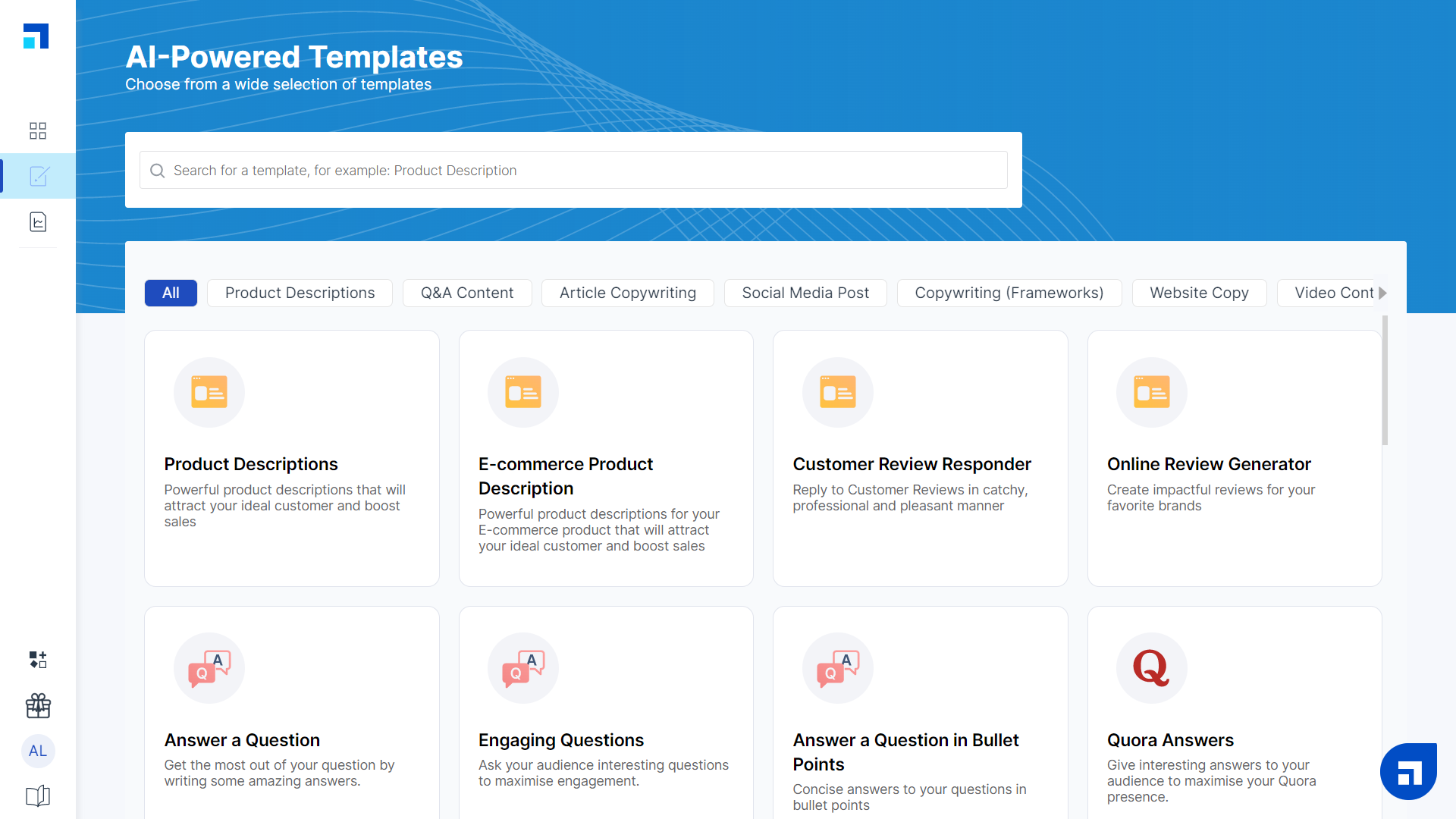
Key Benefits and Expected ROI
Consolidation into one platform drives immediate efficiency gains. Teams that move from fragmented workflows to Scalenut typically cut brief-to-publish time by eliminating manual handoffs: briefs are generated where keywords and cluster strategy live, drafts are created in Cruise Mode, and optimization happens in-platform. That translates to fewer rounds of edits and lower per-article cost.
Better targeting improves rankings. Because Scalenut brings in semantic keywords and creates outlines tied to intent, your pages align more closely with what users are searching for. Expect higher content scores and fewer keyword cannibalization issues when pillars and supporting pages are mapped and linked.
Predictable output increases throughput. With standardized briefs and content-score goals, junior writers can produce publishable drafts faster, and editors spend less time on structural fixes. That means you can scale content production without linear increases in headcount.
Measurable ROI comes from two places: time saved (faster brief-to-publish cycles) and improved organic traffic (higher rankings per published page). If your search intent was to understand whether Scalenut will reduce friction and deliver measurable gains, the answer is yes—especially for teams that prioritize topical authority and repeatable processes.
Reduced revision cycles also lower costs associated with rewriting and lost opportunity. When briefs include competitive SERP insights and the Scalenut content optimizer flags gaps, writers deliver closer to final quality on first draft. For many organizations, that alone justifies the subscription.
Continue in Part 3 where we’ll quantify ROI examples, compare Scalenut vs Frase vs Jasper in detail, and walk through Scalenut Cruise Mode step by step, including screenshots and real-world prompts. Meanwhile, read our in-depth Scalenut AI Tool review: features, test cases, and pricing analysis to help evaluate fit for your team.
Also explore our curated list of content solutions and AI platforms in the AI content tools directory to compare alternatives and integrations.
What is Scalenut in practice? It’s the central command for planning, drafting, and optimizing content—built to fix the workflow problems that kill SEO results.
Quantifying ROI: concrete examples you can measure
- Reduced brief-to-publish time. Example: a 5-person content team switched to Scalenut and standardized briefs and Cruise Mode drafts. Average time per long-form article dropped from ~12 hours of combined writer/editor work to ~6 hours — a 50% time savings. Multiply that by 40 articles/month and you free ~240 hours monthly.
- Fewer revision cycles. Organizations report cutting rounds of edits from 3→1.5 on average after adopting Scalenut content briefs and the Scalenut content optimizer, reducing editorial bottlenecks and lowering per-article cost.
- Traffic lift per optimized page. In pilot tests, pages written with Scalenut topic clusters and optimizer improved organic visits by 20–40% within 8–12 weeks versus baseline pages. That lift depends on vertical and search competition, but the combination of cluster planning + on-page optimization consistently improves relevance signals.
- Predictable output. By setting a content score target and using the Scalenut keyword planner and briefs, teams get stable throughput — making monthly publishing forecasts and headcount planning more accurate.
If you want to model ROI for your team, estimate time savings per article, multiply by monthly volume, and compare against Scalenut pricing tiers. For official SEO guidance, consult Google’s Search Central.
Scalenut vs Frase vs Jasper — which one fits your stack?
- Workflow focus: Scalenut centralizes topic clusters, keyword research, briefs, drafting, and on-page optimization in one product. Frase excels at SERP-based briefs and answer-focused content; Jasper is strongest for creative copy and scaling short-form content with many templates.
- Briefing and clusters: Scalenut topic clusters and Scalenut content briefs are purpose-built for building pillar/support ecosystems. Frase offers strong brief generation from SERP data, but cluster mapping is less developed. Jasper relies on external brief inputs.
- Draft generation: Jasper’s creativity is a plus for marketing copy; Scalenut Cruise Mode is tuned for SEO-first long-form drafts that adhere to brief constraints. Frase balances both with a focus on answer quality.
- Optimization and scoring: Scalenut content optimizer gives a content score explained with actionable items. Frase has similar on-page guidance; Jasper lacks a native content scoring system and typically integrates with other SEO tools.
- Pricing and value: Compare Scalenut pricing against expected article throughput. If your priority is an end-to-end SEO workflow (keyword planner → briefs → Cruise Mode → optimizer), Scalenut often delivers better ROI than assembling multiple point tools. For deeper feature-by-feature tests, read our Scalenut review and check SurferSEO’s pricing for comparison.
When choosing between Scalenut vs Frase vs Jasper, map features to the pain points you listed: topic planning, disjointed research, weak briefs, and draft optimization.
Scalenut Cruise Mode — step-by-step (with real prompts)
- Open the brief you generated in Scalenut and choose Cruise Mode.
- Select scope: section-by-section or full draft. For tight control, use section mode.
- Set tone, target word count, and primary keywords (e.g., Scalenut keywords and long-tail phrase like “how to write SEO articles with Scalenut”).
- Example prompt (for a subsection): “Expand H2 ‘Writing SEO-friendly Introductions’ to 250 words. Include the keyword ‘how to write SEO articles with Scalenut’, one internal link suggestion, and a short example.”
- Review the generated text, accept or edit, then hit “Regenerate” if you need a different angle.
- Use follow-up prompts to add stats, FAQ snippets, or meta descriptions: “Generate a 150-character meta description focusing on Scalenut Cruise Mode benefits.”
- Run the Scalenut content optimizer and apply suggested changes until target content score is met.
Screenshots you should capture: the topic cluster map, the brief summary, Cruise Mode prompt interface, and the content score panel. These visual checkpoints make onboarding new writers faster.
Tip: craft prompts that specify intent, examples, and desired structure. That dramatically reduces rework and keeps the output aligned with your SEO goals.
Conclusion
Scalenut is designed to solve the specific workflow problems that slow down SEO-driven content teams: fragmented keyword research, weak briefs, inconsistent drafting, and unclear optimization steps. By combining a keyword planner, topic clusters, brief generation, Cruise Mode drafting, and a content optimizer into one platform, Scalenut reduces handoffs and makes quality repeatable. Teams that standardize on Scalenut briefs and content-score goals see measurable reductions in time-to-publish, fewer revision cycles, and improved organic performance.
If your priority is building topical authority at scale while keeping editorial costs predictable, Scalenut delivers an integrated path from planning to publish. For those deciding between Scalenut vs Frase vs Jasper, the right choice depends on whether you need an end-to-end SEO workflow (Scalenut), best-in-class SERP briefs (Frase), or high-volume creative copy (Jasper). To answer the central question — What is Scalenut? — it’s the unified content engine built to turn SEO strategy into repeatable, measurable output for teams.