
What Is ServiceNow, and How Does this AI Tool Help with IT Operations Management?
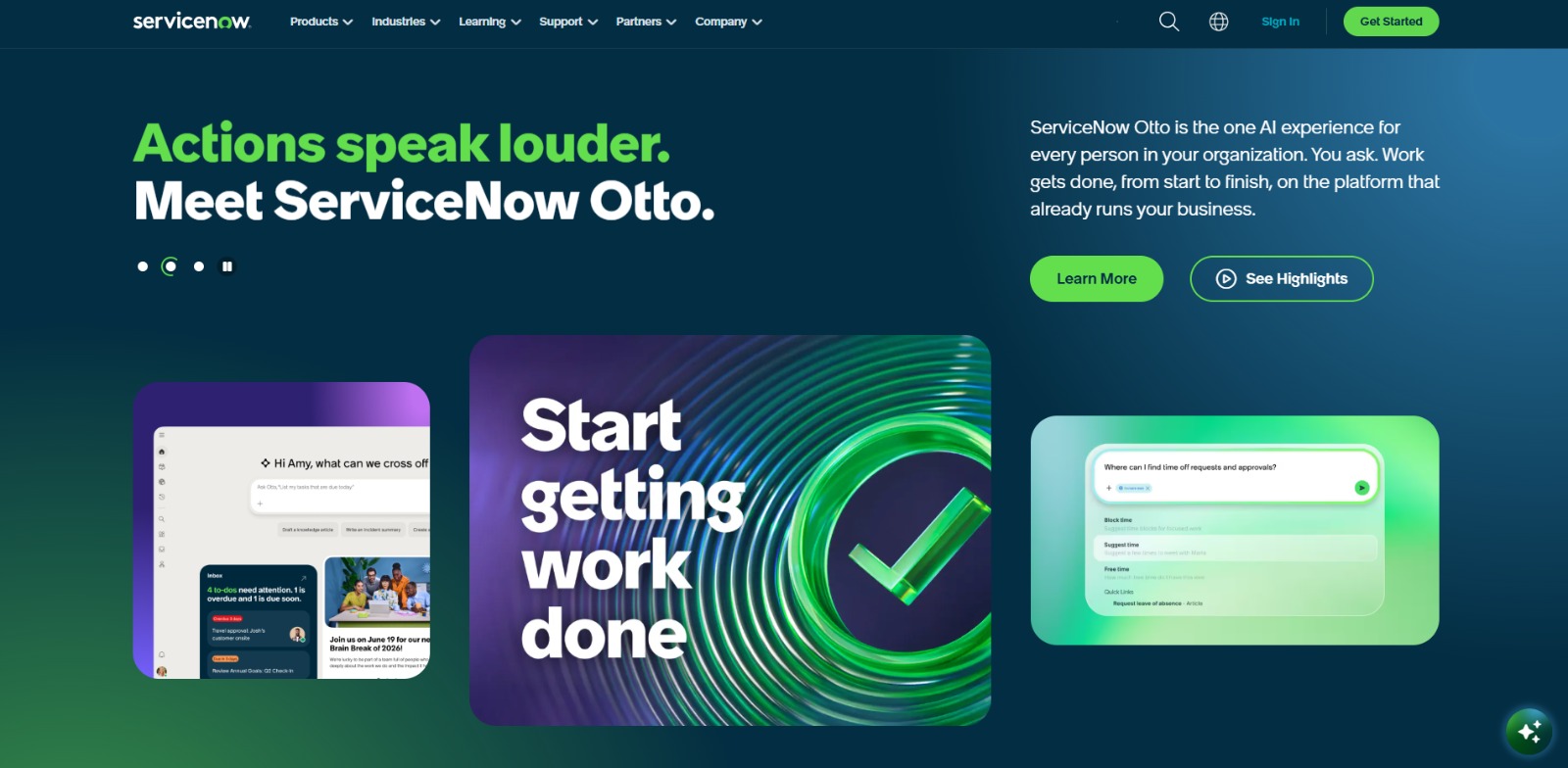
If you’re an IT professional or business leader navigating the complexities of modern enterprise, you’ve likely asked, “what is ServiceNow?” It’s a question many organizations ponder when facing the daunting task of streamlining operations, improving service delivery, and embracing digital transformation. At its core, ServiceNow is a powerful cloud-based platform designed to automate and manage a vast array of IT and business workflows, making the seemingly impossible task of unifying disparate systems a reality.
Understanding this platform isn’t just about learning a new tool; it’s about grasping a fundamental shift in how businesses can operate more efficiently. It addresses critical pain points in areas like IT operations management, helping teams move beyond reactive firefighting to proactive, strategic contributions. This guide will demystify ServiceNow, explaining its purpose, who benefits most from it, and how it empowers organizations to achieve operational excellence and deliver exceptional service. Now that we’ve answered What Is ServiceNow, you can read our ServiceNow Review to decide if it fits your needs.
The Core Challenge: Overcoming Inefficient IT Processes and Siloed Operations
In today’s fast-paced business world, many organizations grapple with a common enemy: inefficiency. IT departments, in particular, often find themselves buried under a mountain of manual, repetitive tasks and a constant stream of incidents that demand immediate attention. This “firefighting” mentality leaves little room for strategic planning or innovation, trapping valuable IT talent in a cycle of reactive problem-solving. Imagine an IT manager, like Alex, whose day is dominated by endless tickets, system outages, and the sheer effort of keeping everything running, rather than proactively improving the infrastructure or driving new initiatives.
Adding to this challenge is the pervasive issue of siloed departments and disjointed systems. Information often gets stuck in isolated tools, leading to communication breakdowns, duplicated efforts, and a critical lack of holistic visibility across the organization. When IT, HR, customer service, and other business units operate independently, without a unified platform, processes become fragmented, and seamless collaboration suffers. This not only slows down critical operations and decision-making but also makes it incredibly difficult to deliver a consistent, high-quality experience to both employees and external customers.
Beyond the Basics: The Broader Impact of Disconnected Systems and Poor User Experience
The problems don’t stop at just inefficient processes; they ripple outwards, creating a cascade of additional frustrations. For instance, the lack of integration between various IT tools means that critical data isn’t shared seamlessly. This forces teams to manually transfer information, leading to errors, delays, and a significant drain on productivity. Alex the IT Manager often struggles to get a complete picture of an issue because relevant data is scattered across multiple, unconnected systems, making root cause analysis a prolonged and painful ordeal.
Furthermore, these disconnected systems often result in a poor end-user experience. When employees or customers need support, they might face confusing portals, long wait times, or have to repeat their issues to multiple departments. This friction not only frustrates users but also erodes trust and satisfaction.
From an IT perspective, demonstrating the value of their work to the broader business becomes incredibly difficult when the underlying infrastructure feels clunky and unresponsive, leading to a perception that IT is a cost center rather than a strategic enabler, and hindering the organization’s ability to adapt to changing business needs.
The Ripple Effect: Why These Challenges Are So Costly and Limiting
These seemingly isolated problems of inefficiency and disconnected systems aren’t just minor annoyances; they carry substantial costs and impose severe limitations on an organization’s potential. High operational costs are a direct consequence of manual tasks, wasted time, and the need for larger teams to manage what could be automated. Every hour spent on repetitive data entry or chasing down information is an hour not spent on strategic initiatives that could drive growth or innovation, directly impacting the bottom line and making it harder to achieve a positive ROI from IT investments.
Beyond the financial drain, these challenges create significant frustration for both IT professionals and the wider workforce, leading to burnout, reduced job satisfaction, and higher turnover. For the business, these problems limit the ability to scale, innovate, and compete effectively.
Slow incident response times cause disruptions, and a lack of process standardization introduces risks. Without clear visibility into IT operations and business workflows, data-driven decision-making becomes a guessing game, preventing adaptation to market changes and hindering digital transformation goals.
ServiceNow: Your Partner in Unifying Workflows and Empowering Proactive Operations
The good news is, there’s a powerful answer to these challenges, one that shifts organizations from a reactive stance to a proactive, strategic powerhouse. ServiceNow emerges as a beacon of efficiency, directly addressing the core issues of fragmented systems and manual processes.
It’s not just another software; it’s a comprehensive cloud-based platform designed to transform how work gets done across your enterprise. By providing a single system of record for IT, HR, customer service, and more, it breaks down those frustrating silos that hinder collaboration and productivity. Imagine Alex, our IT manager, finally having a clear, unified view of all operations, moving from reactive firefighting to strategic planning with confidence.
This platform empowers organizations to automate routine tasks, manage complex workflows, and deliver exceptional service experiences, both internally and externally. It shifts the focus from merely reacting to problems to proactively identifying and resolving them, freeing up valuable human capital for innovation. For businesses asking what is ServiceNow, the answer lies in its ability to drive digital transformation, making operations smoother, more transparent, and significantly more agile. It helps turn IT from a perceived cost center into a strategic enabler, truly enhancing the business’s ability to adapt and thrive.
Navigating ServiceNow: Understanding Its Core Workflow Capabilities
At its heart, ServiceNow operates as a sophisticated digital workflow platform, built on a single architecture that allows various business functions to connect and communicate seamlessly. Instead of disparate tools, it offers a unified environment where processes, data, and people converge.
Think of it as a central nervous system for your enterprise, orchestrating tasks and information flow across departments. While incredibly powerful, its fundamental operation can be understood through a few key steps that empower users to manage, automate, and optimize their daily work.
1. Identifying a Need or Request
The journey within ServiceNow often begins when an employee or customer identifies a need, reports an issue, or requests a service. This could be anything from an IT support ticket (e.g., “my laptop isn’t working”), an HR request (e.g., “I need to update my address”), or a customer service inquiry.
Instead of sending an email or making a phone call that might get lost, users typically submit their request through a self-service portal. This portal acts as the front door, providing a consistent, user-friendly interface for all interactions, ensuring every request is captured and routed correctly from the start.
2. Automated Routing and Workflow Initiation
Once a request is submitted, ServiceNow’s intelligence kicks in. Based on predefined rules and the nature of the request, the platform automatically routes it to the correct department or individual. For instance, an IT issue goes to the IT service desk, while an HR query goes to the human resources team.
This automated routing eliminates manual triage, reducing delays and ensuring the right experts address the problem quickly. Simultaneously, a specific workflow is initiated, outlining the steps required to resolve the request, complete a task, or fulfill a service.
3. Task Management and Collaboration
As the workflow progresses, ServiceNow facilitates efficient task management. Each step in a process becomes a trackable task assigned to the relevant team member. The platform provides a centralized workspace where teams can collaborate, share information, and update the status of their work in real-time.
This means Alex, our IT manager, can see exactly where an incident stands, who is working on it, and what actions have been taken. This shared visibility prevents duplication of effort and ensures everyone is on the same page, fostering seamless cross-departmental cooperation.
4. Automation and Resolution
A key strength of ServiceNow is its ability to automate repetitive and rule-based tasks. For example, password resets, software provisioning, or even complex change management processes can be automated from start to finish. This not only speeds up resolution times but also reduces human error and frees up valuable employee time.
Once all tasks within a workflow are completed, and the issue is resolved or the service delivered, the system updates the request status, often notifying the original requester. This systematic approach ensures consistent, high-quality service delivery every time.
5. Reporting and Continuous Improvement
Beyond individual resolutions, ServiceNow continuously collects data on all interactions and workflows. This data is then transformed into actionable insights through robust reporting and analytics dashboards. Organizations can monitor key performance indicators (KPIs) like resolution times, service level agreement (SLA) adherence, and user satisfaction.
This visibility allows leaders to identify bottlenecks, uncover trends, and make data-driven decisions to optimize processes further. It’s a cycle of continuous improvement, ensuring that the platform evolves with the business and consistently delivers better outcomes.
Realizing the Value: Key Benefits of Adopting ServiceNow
The adoption of ServiceNow brings a cascade of tangible benefits that directly address the pain points organizations face. Foremost among these is a dramatic increase in operational efficiency. By automating manual tasks and streamlining complex workflows, teams spend less time on repetitive administrative work and more time on strategic initiatives. This not only reduces operational costs associated with manual labor but also significantly speeds up service delivery, ensuring that employees and customers receive faster, more consistent support. The platform transforms chaotic processes into predictable, high-performing operations.
Furthermore, ServiceNow fosters unparalleled collaboration by breaking down departmental silos. With a unified platform, information flows freely, and teams can work together seamlessly, leading to better decision-making and a more cohesive organizational culture.
The rich analytics and reporting capabilities provide deep insights into performance, allowing businesses to make data-driven adjustments and continuously optimize their services. Ultimately, this leads to an enhanced employee and customer experience, increased satisfaction, and a more agile organization capable of adapting quickly to market changes and driving sustained growth.
Embracing a Unified Future: The Enduring Value of ServiceNow
ServiceNow stands out as a pivotal platform for organizations aiming to transcend the complexities of modern business operations. It’s more than just a software solution; it’s a strategic partner for digital transformation, designed to dismantle the frustrating silos that often plague large enterprises.
By centralizing IT, HR, customer service, and other critical functions onto a single cloud-based architecture, ServiceNow empowers businesses to move from reactive problem-solving to proactive, strategic management. This shift dramatically enhances efficiency, reduces operational friction, and fosters a culture of seamless collaboration across departments.
For leaders and teams asking “what is this AI tool” in the context of enterprise workflow, ServiceNow provides a clear answer: it’s an intelligent orchestrator of work. Its enduring value lies in its ability to automate repetitive tasks, streamline intricate processes, and deliver actionable insights through robust analytics.
This empowers organizations to not only improve service delivery and employee satisfaction but also to adapt with agility to an ever-changing market. Ultimately, understanding ServiceNow means recognizing its potential to unlock significant operational savings and drive sustained growth by making work flow smarter, not harder.
Transform Your Operations: Experience the Power of Unified Workflows
Imagine a world where your teams are no longer bogged down by repetitive tasks, where information flows freely, and every department operates with crystal-clear visibility. This isn’t just a dream; it’s the reality ServiceNow helps create. By embracing this platform, you’re not just investing in software; you’re investing in a future where your organization is more agile, more efficient, and better equipped to serve both your employees and your customers. It’s about moving beyond the daily grind to unlock true strategic potential and drive meaningful growth.
Ready to see how ServiceNow can revolutionize your enterprise workflows and empower your teams? Explore its comprehensive capabilities and discover how it can drive your digital transformation journey today.
ServiceNow FAQs
What is this AI tool (ServiceNow) primarily used for?
What is this AI tool (ServiceNow) primarily used for?
Who is ServiceNow best for?
Who is ServiceNow best for?
How does ServiceNow generally work?
How does ServiceNow generally work?
What should users consider before adopting ServiceNow?
What should users consider before adopting ServiceNow?
CharlieAITools was created with love to help you discover the best AI tools and transform your life, your ideas, and your projects. We aim to share valuable resources with fellow entrepreneurs. Thanks a ton for your support!