

Tableau Next
Tableau Next Review: Elevating Data Insights with Next-Gen AI Business Intelligence In this Tableau Next review, we’ll explore how this advanced platform aims to transform data analysis, its core features, who stands to…

Tableau Next
In today’s data-rich world, simply collecting information isn’t enough; the real challenge lies in extracting actionable insights that drive growth and innovation. Many businesses find themselves wrestling with complex datasets, struggling to uncover hidden patterns or predict future trends with their existing tools. This is where a solution like Tableau Next steps in, promising to bridge the gap between raw data and strategic decision-making by integrating cutting-edge AI into a familiar, powerful analytics ecosystem. If you’re looking to move beyond basic reporting and unlock deeper, more predictive understanding from your data, this review is for you.
Tableau Next represents the evolution of Tableau’s renowned data visualization and business intelligence platform, specifically designed to integrate advanced AI capabilities into the analytical workflow. It aims to empower users to move beyond descriptive analytics, offering next-generation features that facilitate deeper data exploration, predictive modeling, and automated insight generation. Essentially, this platform is built to help organizations transform complex data into clear, actionable intelligence, making sophisticated analytics accessible to a broader range of business users.
The sheer volume and velocity of data in modern enterprises can be overwhelming. Data analysts, business intelligence professionals, and executives often feel buried under spreadsheets, struggling to piece together a coherent narrative or identify critical trends before opportunities pass them by. Traditional BI tools, while excellent for reporting what happened, frequently fall short when it comes to answering the “why” and “what next” questions that drive strategic advantage.
This is precisely where the capabilities of Tableau Next become crucial. It addresses the core pain points of professionals who spend countless hours on manual data preparation and analysis, often limited by tools that lack advanced predictive capabilities. Imagine being able to not only see current performance but also forecast future outcomes, detect anomalies automatically, and get AI-driven recommendations on the fly. This shift from reactive reporting to proactive, predictive insights is a game-changer for anyone looking to make truly data-driven decisions and stay competitive.
For organizations striving to keep pace with an increasingly data-centric world, the ability to quickly extract actionable insights from complex data is no longer a luxury but a necessity. Tableau Next is positioned to help these professional user segments overcome the limitations of current BI tools, streamline their analytical processes, and ultimately gain a clearer, more profound understanding of their business performance.
Tableau Next is engineered to bring advanced analytical power to your fingertips, building on Tableau’s strong foundation with intelligent enhancements. Here are some of the key capabilities designed to elevate your data exploration and insight generation:
This platform is designed to leverage artificial intelligence to automatically uncover patterns, trends, and outliers within your datasets. It can help users identify significant insights that might otherwise be missed through manual exploration, streamlining the process of understanding complex information.
Tableau Next aims to push the boundaries of traditional BI by integrating advanced analytical techniques directly into the user experience. This means moving beyond basic dashboards to provide more dynamic, interactive, and intelligent ways to explore and understand business performance.
A core strength of this tool is its ability to offer predictive modeling. Users can potentially forecast future outcomes, identify potential risks, and anticipate opportunities, allowing for more proactive decision-making rather than simply reacting to past events.
Building on Tableau’s reputation for powerful visualizations, this solution likely enhances these capabilities with AI assistance. This could mean smarter chart recommendations, automated data storytelling, or more intuitive ways to present complex data in an understandable format.
One of the biggest time sinks in data analysis is cleaning and preparing data. Tableau Next is designed to automate many of these repetitive tasks, allowing data professionals to spend more time on actual analysis and less on data wrangling. This can significantly improve efficiency and speed up the insight generation process.
As an evolution of a leading BI platform, this tool is built to handle large volumes of data and complex enterprise environments. It’s expected to offer robust security features and scalability to support the analytical needs of mid-to-large organizations.
Tableau Next is designed for professionals and organizations that are serious about leveraging data for strategic advantage, particularly those grappling with complex datasets and the need for predictive insights. Here are the key audiences who stand to benefit:
❤️ Also loved by: Financial Analysts, Marketing Analysts, Operations Managers, Chief Data Officers, Researchers, BI Developers, Consultants, Entrepreneurs, Educators, Government Analysts, Healthcare Data Specialists, Retail Analysts, Supply Chain Managers, Customer Experience Managers, Sales Managers.
Tableau Next fits into these categories. Explore each page for alternatives and related tools.
If Tableau Next is not a perfect fit, these alternative AI tools may cover different budgets, features, and use cases in AI DATA. Compare strengths, positioning, and why each tool might be a better fit for a specific workflow.
While specific pricing details for Tableau Next are not clearly specified in the provided context, it’s important to consider its value proposition within the broader Tableau ecosystem. As an advanced, AI-enhanced business intelligence solution, it is likely positioned as an enterprise-grade offering, reflecting its sophisticated capabilities in predictive analytics, automated insights, and scalability. Typically, solutions of this caliber are structured with tiered pricing models that may depend on factors such as the number of users, data volume, specific AI features accessed, and deployment options (cloud vs. on-premise).
When evaluating the cost, consider the potential return on investment (ROI) from faster, more accurate insights, improved operational efficiency, and the competitive advantage gained through advanced data-driven decision-making. Users should check the official Tableau website directly for the latest model availability, detailed pricing structures, and feature specifics to ensure they have the most current information before making a purchasing decision.
If your organization is feeling the pinch of complex data, struggling to extract truly actionable insights, or simply wants to move beyond reactive reporting to proactive prediction, Tableau Next offers a compelling vision. It’s designed to empower your team with the intelligence needed to navigate today’s dynamic business landscape, turning data overwhelm into a clear path forward. Imagine the possibilities when your data not only tells you what happened but also helps you anticipate what’s next. It’s about making smarter, faster decisions with confidence.
Ready to see how next-generation AI business intelligence can redefine your approach to data? If Tableau Next aligns with your goals for advanced analytics and predictive insights, we encourage you to explore the official Tableau Next website to learn more about its capabilities and how it can benefit your specific workflow.
CharlieAITools was created with love to help you discover the best AI tools and transform your life, your ideas, and your projects. By signing up through my affiliate link, you help me keep this site running and continue to share valuable resources with fellow entrepreneurs. Thanks a ton for your support! 💛

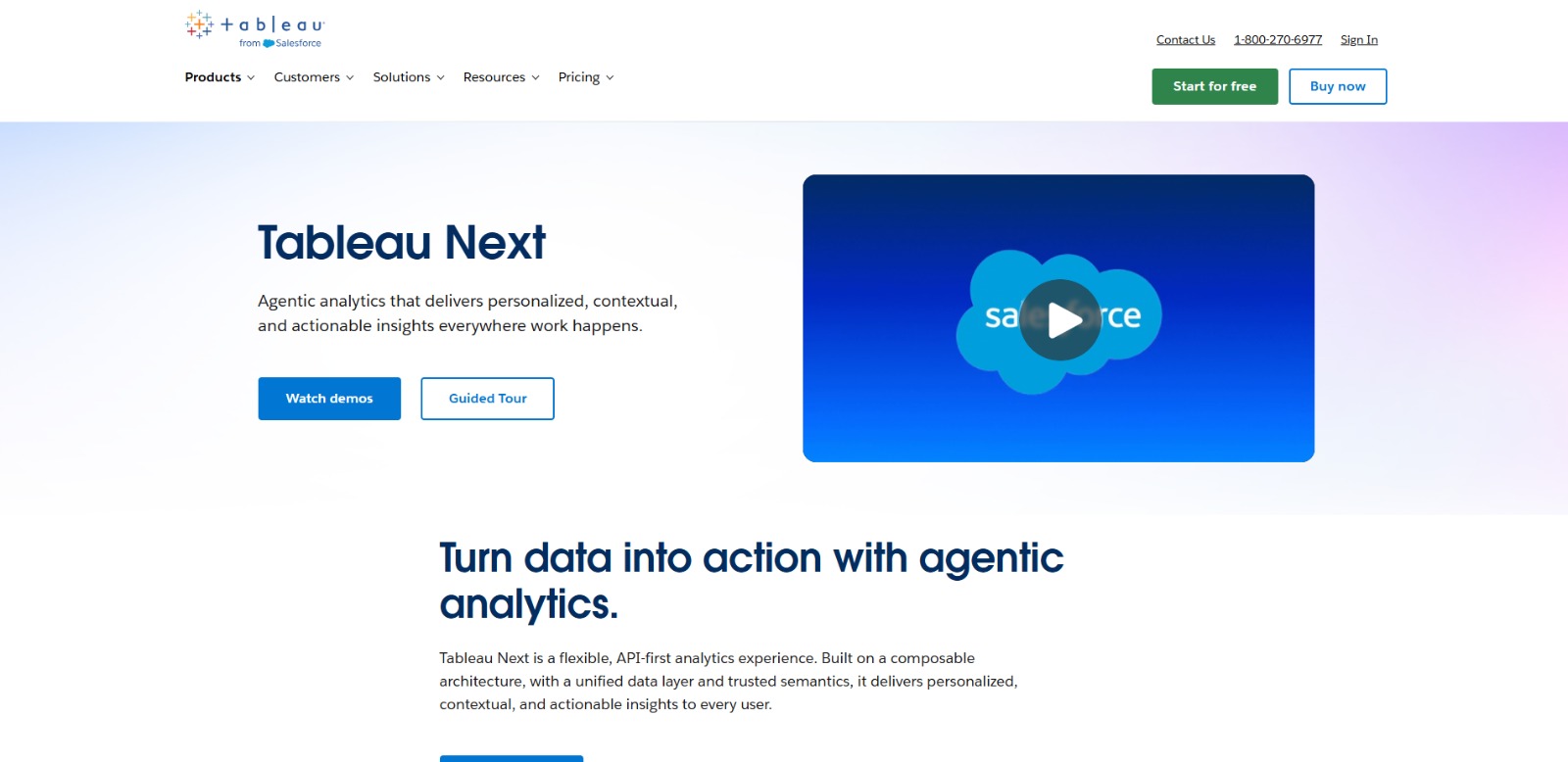
Tableau Next Review: Elevating Data Insights with Next-Gen AI Business Intelligence In this Tableau Next review, we’ll explore how this advanced platform aims to transform data analysis, its core features, who stands to…

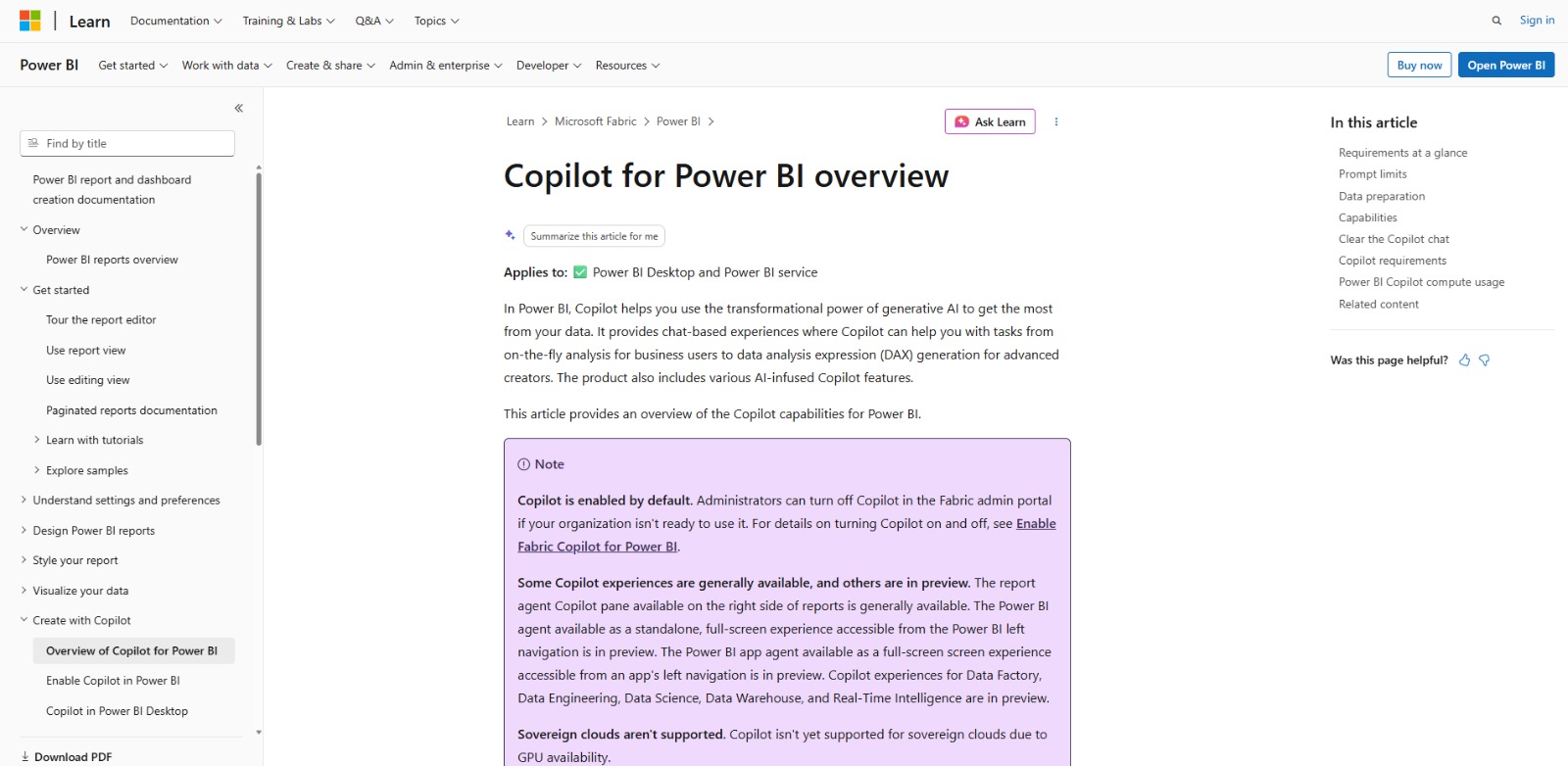
Copilot for Power BI Review: Unlocking Smarter Data Analysis with AI In this Copilot for Power BI review, we’ll dive into how this AI assistant can transform your data analysis, report creation, and decision-making…


Gemini Notebook Review: Your AI Research Assistant for Smarter Insights In this Gemini Notebook review, we’ll explore how this AI research assistant can transform your workflow, from document analysis to content…

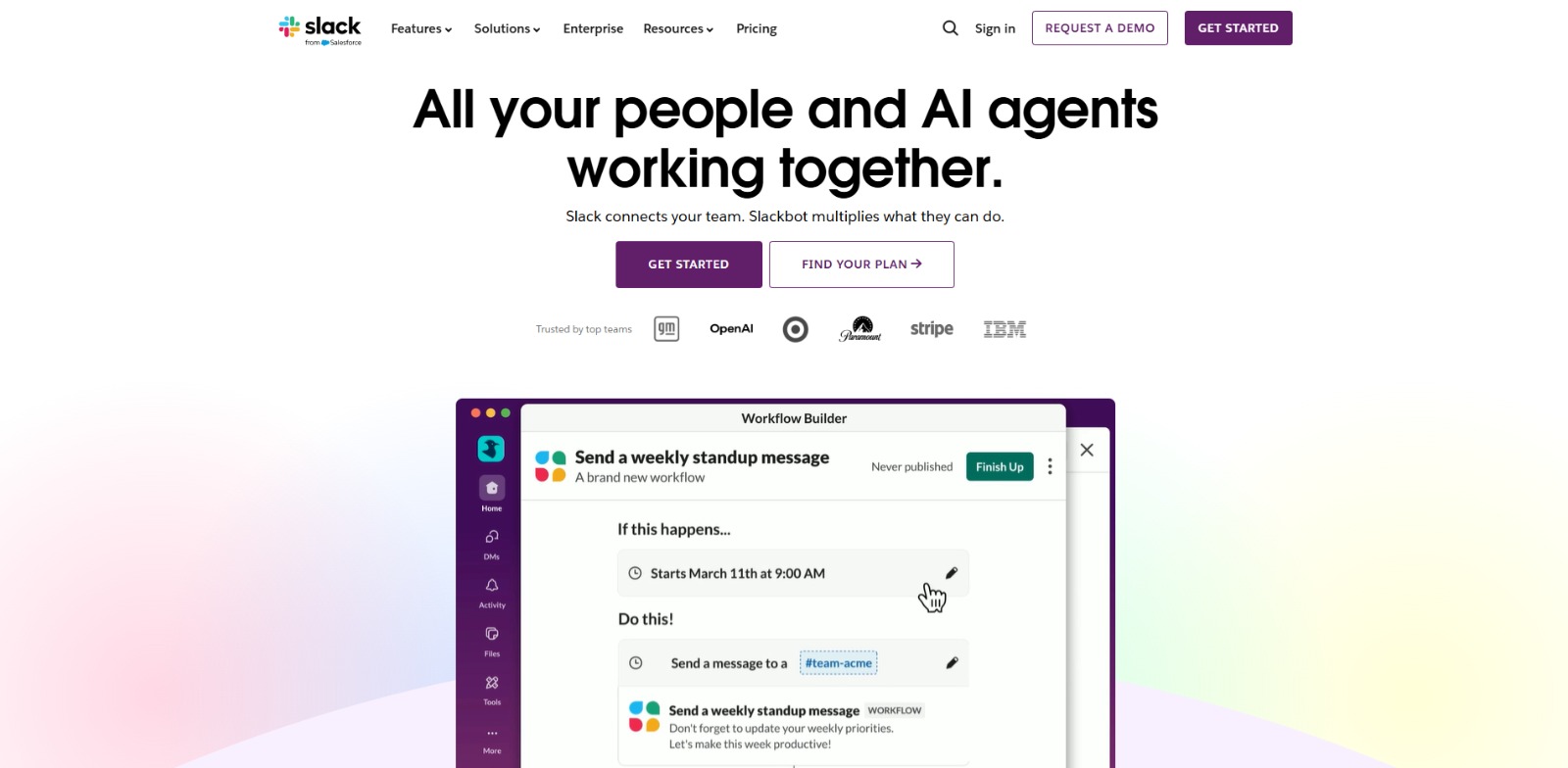
Slack Review: Is This AI work platform Your Team’s Next Productivity Hub? In this Slack review, we’ll explore its evolving capabilities, how it helps teams overcome common collaboration challenges, and whether its…

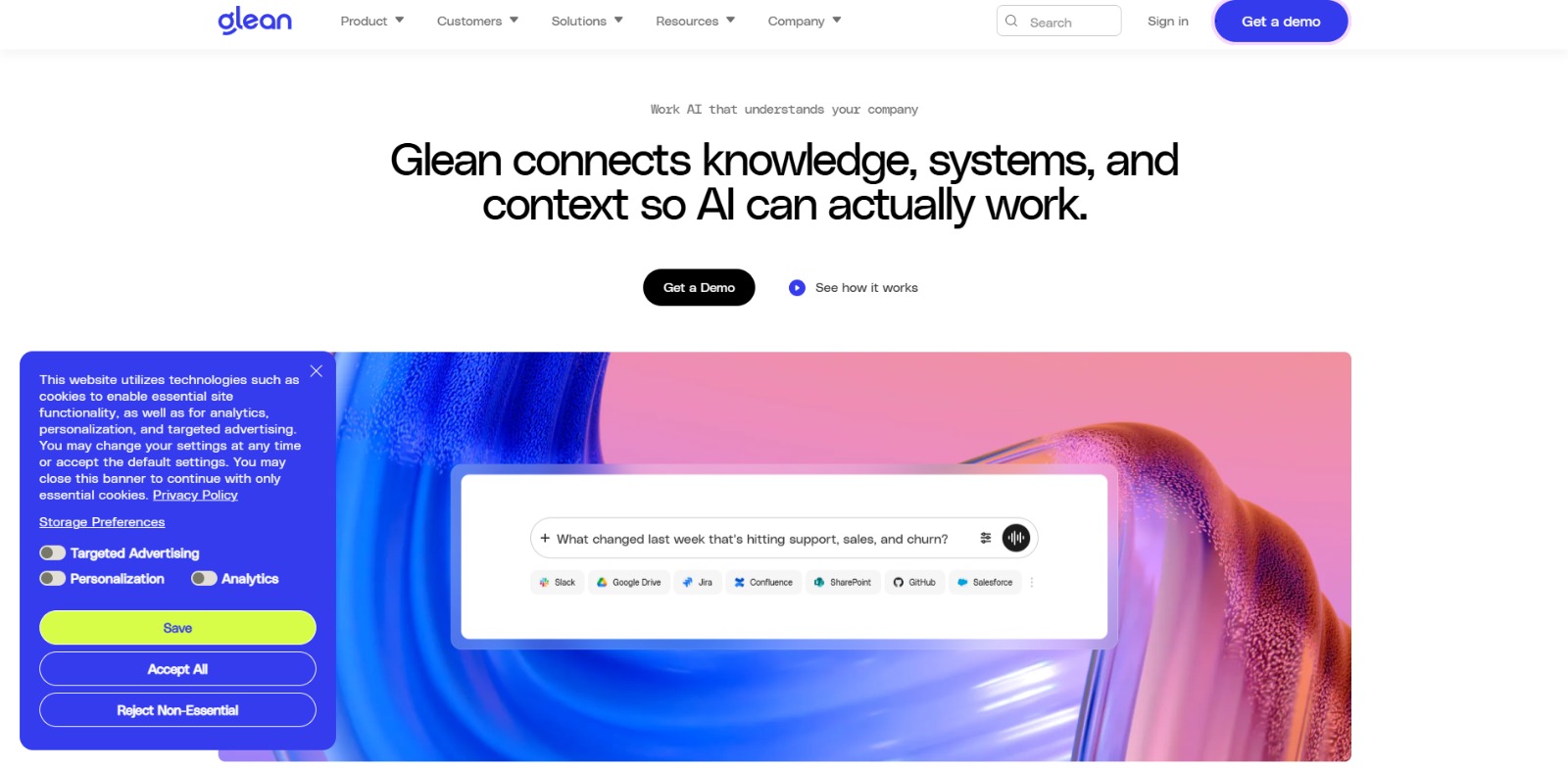
Glean Review: Is This work AI Worth It for Your Enterprise? In this Glean review, we’ll explore how this powerful work AI helps businesses unify knowledge, boost productivity, and leverage AI securely. Navigating the…

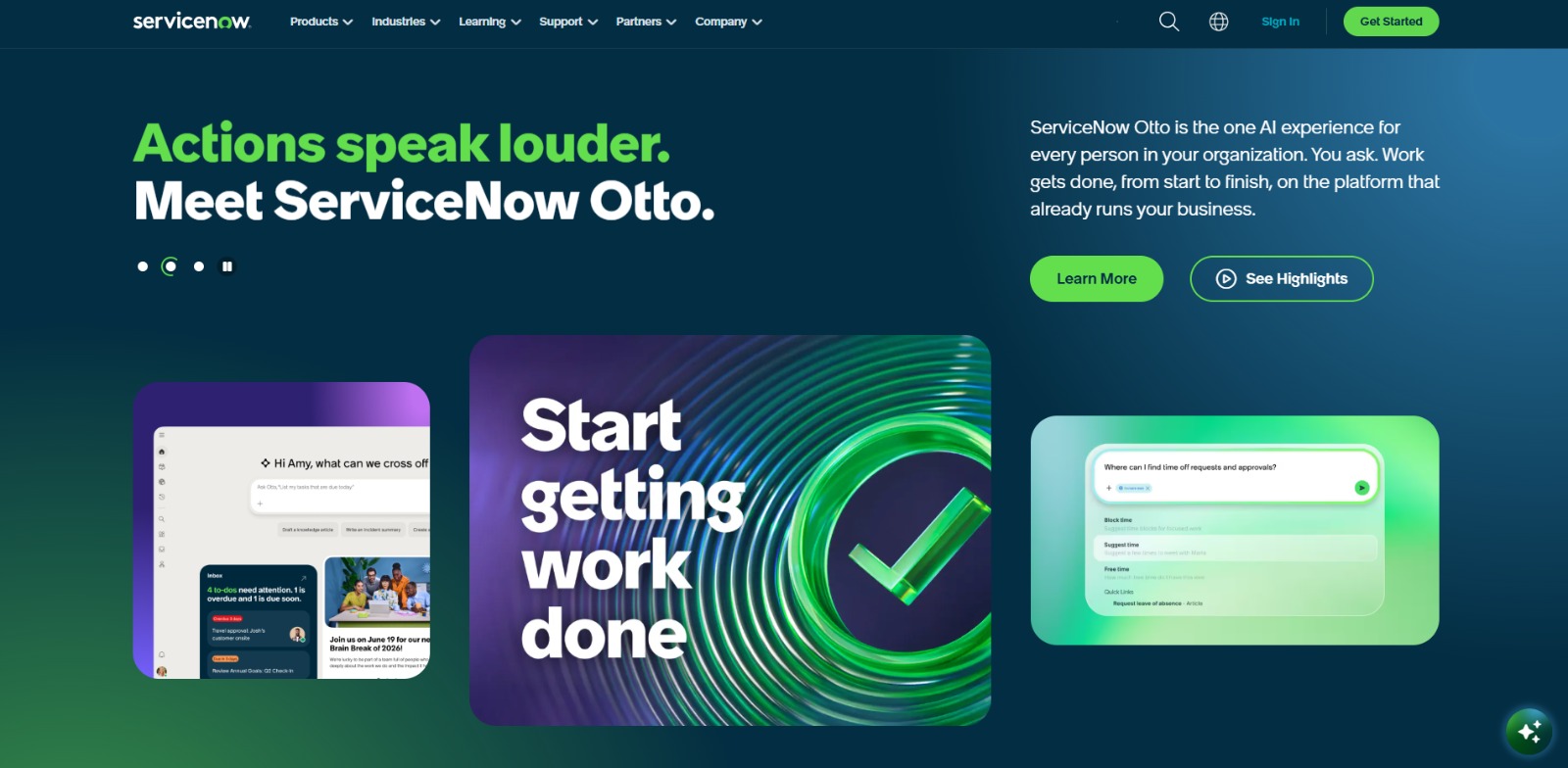
ServiceNow Review: Streamlining IT Service Management for Enterprise Excellence In this ServiceNow review, we’ll dive deep into how this powerful platform can transform your IT service management, automate workflows,…

To provide the best experiences, we and our partners use technologies like cookies to store and/or access device information. Consenting to these technologies will allow us and our partners to process personal data such as browsing behavior or unique IDs on this site and show (non-) personalized ads. Not consenting or withdrawing consent, may adversely affect certain features and functions.
Click below to consent to the above or make granular choices. Your choices will be applied to this site only. You can change your settings at any time, including withdrawing your consent, by using the toggles on the Cookie Policy, or by clicking on the manage consent button at the bottom of the screen.