
What Is Spline, and How Does This AI Tool Help with Browser-Based 3D Design?
In today’s digital landscape, captivating your audience often means going beyond static images and flat interfaces. Interactive 3D experiences are no longer just for game developers; they’re becoming essential for engaging websites, apps, and marketing campaigns. This growing demand has many creative professionals asking: what is Spline, and can it truly simplify the complex world of 3D design for the web? Understanding this innovative platform is key to unlocking new possibilities for your projects.
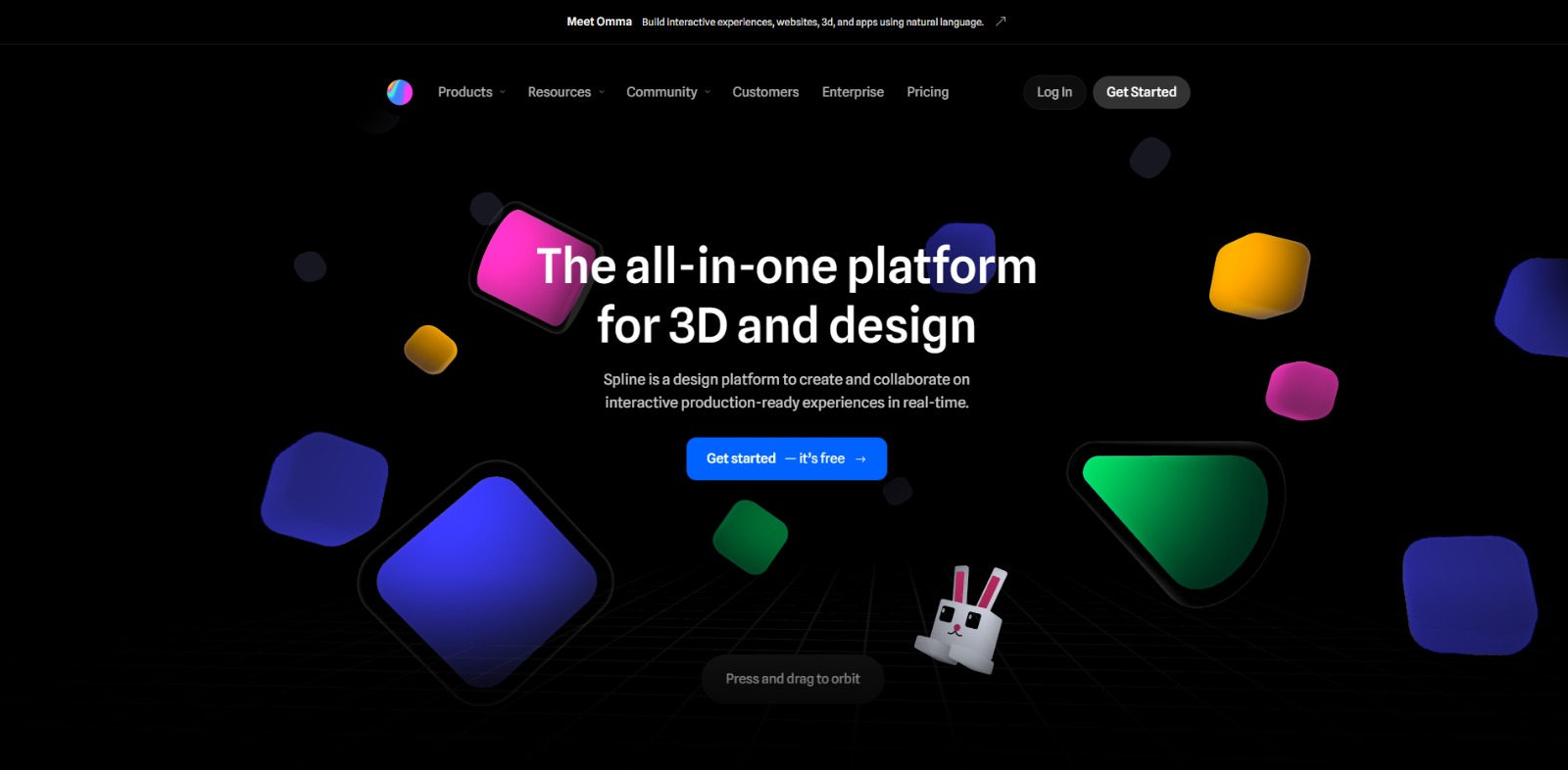
Spline emerges as a powerful, user-friendly solution designed to democratize 3D creation. It allows designers, marketers, and developers to craft stunning, interactive 3D content directly within their web browser, making sophisticated browser-based 3D design accessible to a much wider audience. For anyone looking to elevate their digital presence with immersive visuals without the traditional steep learning curves or hefty software investments, exploring Spline is a crucial step. After learning What Is Spline, visit our full Spline Review to see if it’s the right AI tool for your workflow.
The Challenge of Bringing 3D to the Web: Complexity and Cost
For years, creating compelling 3D content, especially for interactive web experiences, has been a significant hurdle for many designers and developers. Traditional 3D software often comes with a steep learning curve, requiring extensive training and specialized skills to master. This complexity means that bringing even simple 3D elements to life can be a time-consuming and frustrating endeavor, often pushing projects beyond their deadlines and budget constraints.
Beyond the initial learning curve, the cost of professional 3D design software can be prohibitive for freelancers, small agencies, or in-house design teams. Licensing fees, powerful hardware requirements, and the need for dedicated specialists add up quickly, making interactive 3D feel like an exclusive domain. This financial barrier, combined with the technical demands, has historically limited the widespread adoption of 3D content in web and digital product design, leaving many creative visions unfulfilled.
Beyond Complexity: Collaboration Hurdles and Integration Headaches
Even when designers overcome the initial complexity and cost of 3D tools, they often face additional frustrations that hinder their workflow. One major pain point is the lack of seamless real-time collaboration. Traditional 3D software is typically desktop-bound, making it difficult for teams to work together on a single project simultaneously, share feedback efficiently, or iterate quickly. This often leads to fragmented workflows, version control issues, and delays in project delivery, causing significant stress for web designers, UI/UX designers, and marketing specialists alike.
Another common struggle arises during the integration phase. Creating beautiful 3D assets is one thing; getting them to function smoothly and interactively on a website or within an application is another challenge entirely. Translating 3D concepts into production-ready web elements often requires specialized coding knowledge or complex export processes, adding layers of technical difficulty. This can be a major source of frustration for creative designers who want to see their visions come to life on the web without becoming full-stack developers.
Why These 3D Design Problems Are Holding Your Creativity Back
These persistent challenges in 3D design aren’t just minor inconveniences; they represent significant roadblocks that can stifle creativity, waste valuable resources, and ultimately limit your ability to deliver cutting-edge digital experiences. When designers are bogged down by complex interfaces, struggling with software costs, or wrestling with integration issues, their focus shifts from innovative design to overcoming technical barriers. This can lead to creative blocks, preventing them from exploring new ideas and pushing the boundaries of interactive content.
Moreover, the inability to efficiently create and deploy interactive 3D content means missed opportunities for engaging users. In a competitive digital landscape, static content often fails to capture attention. Clients and audiences increasingly expect dynamic, immersive experiences, and falling short can lead to lower user engagement, reduced conversions, and a perception of being behind the curve. These problems translate directly into lost time, operational inefficiency, and a slower pace of innovation, impacting everything from marketing campaigns to product launches and overall brand perception.
Spline: Your User-Friendly Bridge to Interactive 3D for the Web
Spline steps in as a breath of fresh air, directly addressing the frustrations we’ve just explored. Imagine a world where creating stunning, interactive 3D content for your website or app doesn’t require years of specialized training or a hefty software budget. This platform makes that vision a reality, transforming complex 3D workflows into an intuitive, browser-based experience. It’s built from the ground up to empower designers, marketers, and developers to bring their creative visions to life without the usual technical headaches. It’s truly changing the game for anyone asking “what is this AI tool” that can simplify 3D.
By moving 3D design into the browser, Spline eliminates the need for expensive hardware and software installations, democratizing access to powerful creative tools. It tackles the steep learning curve head-on with an approachable interface, allowing users to dive in and start designing almost immediately. Furthermore, its inherent web-first nature smooths out those tricky integration issues, ensuring your interactive creations look and perform beautifully online. This innovative approach means less time wrestling with technicalities and more time focusing on what you do best: designing captivating digital experiences.
How Spline Transforms Your 3D Design Workflow
Spline’s magic lies in its ability to abstract away much of the underlying technical complexity of 3D, presenting a friendly canvas where creativity can flourish. While specific interface elements may evolve, the core workflow remains consistent: you design, you interact, and you export for the web. Think of it as a digital studio where you sculpt, animate, and prepare your 3D scenes, all within the familiar environment of your web browser. This streamlined process is designed for both 3D novices and seasoned pros looking for efficiency.
Dive into the Browser-Based Editor
Getting started with Spline is as simple as opening your web browser. There’s no heavy software to download or install, which means you can begin designing instantly from virtually any computer. Once inside the editor, you’ll find a workspace optimized for 3D creation, complete with tools for modeling, material application, and lighting. The intuitive layout encourages exploration, making it easy to experiment with shapes, colors, and textures without feeling overwhelmed by an overly technical interface. This accessibility is a cornerstone of the Spline experience.
Sculpt, Model, and Animate Your Vision
With Spline, you have a comprehensive suite of tools at your fingertips to build your 3D scene. You can start with basic geometric shapes and transform them into intricate models using various sculpting and modeling functions. Applying materials and textures is straightforward, allowing you to define how light interacts with your objects, giving them realistic or stylized appearances. Beyond static scenes, Spline empowers you to bring your creations to life with animations, setting up movements, rotations, and scale changes over time to create dynamic and engaging experiences.
Add Interactivity and Real-Time Controls
This is where Spline truly shines for web-based projects. The platform allows you to add interactive elements to your 3D scenes without writing a single line of code. You can define events and actions, such as what happens when a user clicks on an object, hovers over it, or scrolls past it. Imagine creating a product showcase where users can rotate an item, change its color, or trigger an animation with a simple interaction. This real-time control transforms passive viewing into an immersive user journey, making your digital content truly stand out.
Export and Integrate Seamlessly into the Web
Once your interactive 3D masterpiece is complete, Spline provides multiple options for integrating it into your web projects. You can export your scene as a web component, embed it directly using an iframe, or even generate a shareable link. The platform handles the complex optimization for web performance, ensuring your 3D content loads quickly and runs smoothly across different devices and browsers. This seamless integration process removes the traditional headaches associated with bringing 3D assets to a live website, allowing designers to focus on creative output rather than technical deployment.
Collaborate and Iterate with Ease
Collaboration is built into Spline’s DNA. Because it’s browser-based, teams can work on projects together in real-time, sharing feedback and making edits without the friction of traditional desktop software. This shared workspace fosters a more dynamic and efficient design process, reducing version control issues and accelerating project timelines. Designers can easily share their work with clients or team members, gather input, and iterate quickly, ensuring everyone is aligned and the final output meets expectations. This collaborative environment is invaluable for modern design teams.
Unlock New Creative Horizons with Spline’s Core Benefits
Spline isn’t just another tool; it’s a catalyst for creative liberation, directly addressing the pain points of traditional 3D design. By dismantling the barriers of complexity and cost, it empowers a wider range of professionals to harness the power of interactive 3D. Imagine the time saved when you no longer need to learn intricate software or wait for specialized renders. This platform significantly simplifies workflows, allowing designers to focus on artistic expression and user experience rather than wrestling with technical hurdles. The result? Faster project turnaround times and the ability to bring more ambitious, engaging ideas to life, ultimately boosting your creative output.
A key benefit is the dramatic improvement in collaboration. With Spline, teams can work together in real-time, sharing feedback and iterating on designs seamlessly, which accelerates project delivery and fosters a more cohesive creative environment. Moreover, the true value of Spline lies in its ability to enhance user engagement and drive better digital outcomes. Interactive 3D content naturally captures attention, making websites and applications more memorable and effective. For marketing campaigns, this means higher conversion rates; for product showcases, a richer, more informative experience. It’s about transforming static digital spaces into dynamic, immersive worlds that resonate deeply with your audience.
Spline: Your Gateway to Engaging Web Experiences
As we’ve explored, Spline isn’t just another design tool; it’s a pivotal shift in how we approach interactive 3D for the web. It skillfully dismantles the traditional barriers of cost, complexity, and steep learning curves that often deter creatives from venturing into 3D. By offering a robust, browser-based platform, Spline empowers a diverse range of professionals—from web designers and marketers to developers and educators—to bring their visions to life with unprecedented ease.
Understanding what this AI tool offers means recognizing its durable value: democratizing access to powerful 3D creation, fostering real-time collaboration, and significantly enhancing user engagement through interactive content. It’s ideal for anyone looking to create captivating product showcases, immersive landing pages, or dynamic digital experiences without needing to become a 3D expert overnight. Spline helps you focus on creativity and impact, rather than getting bogged down in technical intricacies.
Unlock Your Creative Potential with Interactive 3D
Imagine a world where your website isn’t just viewed, but experienced. Where your products can be explored from every angle, and your brand story unfolds in an immersive, memorable way. Spline offers you the power to transform static digital spaces into dynamic, interactive environments that truly captivate your audience. It’s about making your content stand out, boosting engagement, and ultimately, driving better outcomes for your projects and your business.
Ready to bring your ideas to life in 3D? Step into the future of web design and start creating with Spline today!
Spline FAQs
What is Spline used for?
What is Spline used for?
Who is Spline best for?
Who is Spline best for?
How does Spline generally work?
How does Spline generally work?
Is Spline beginner-friendly?
Is Spline beginner-friendly?
CharlieAITools was created with love to help you discover the best AI tools and transform your life, your ideas, and your projects. We aim to share valuable resources with fellow entrepreneurs. Thanks a ton for your support!